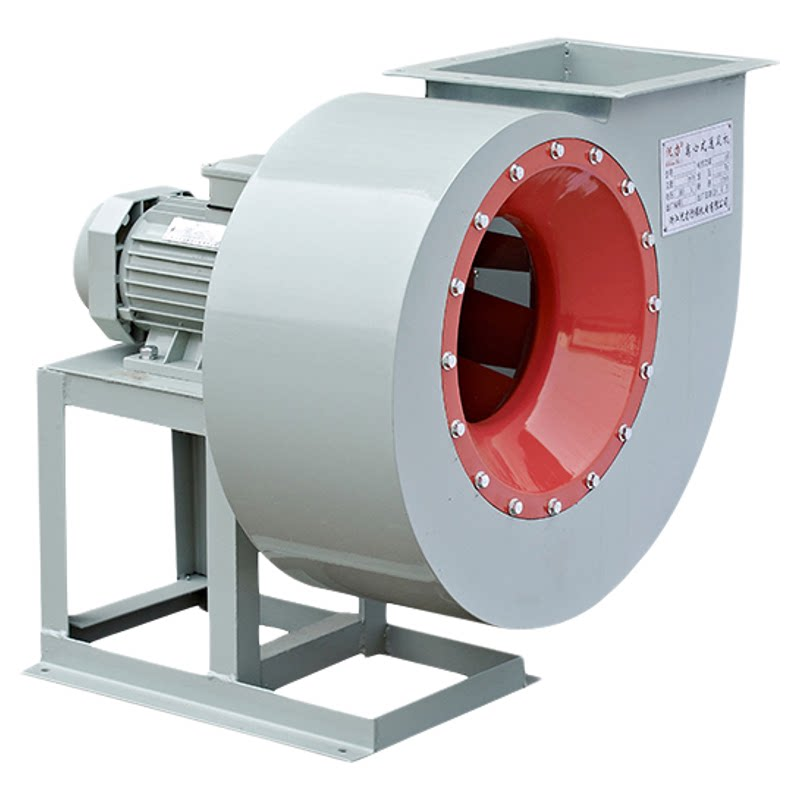
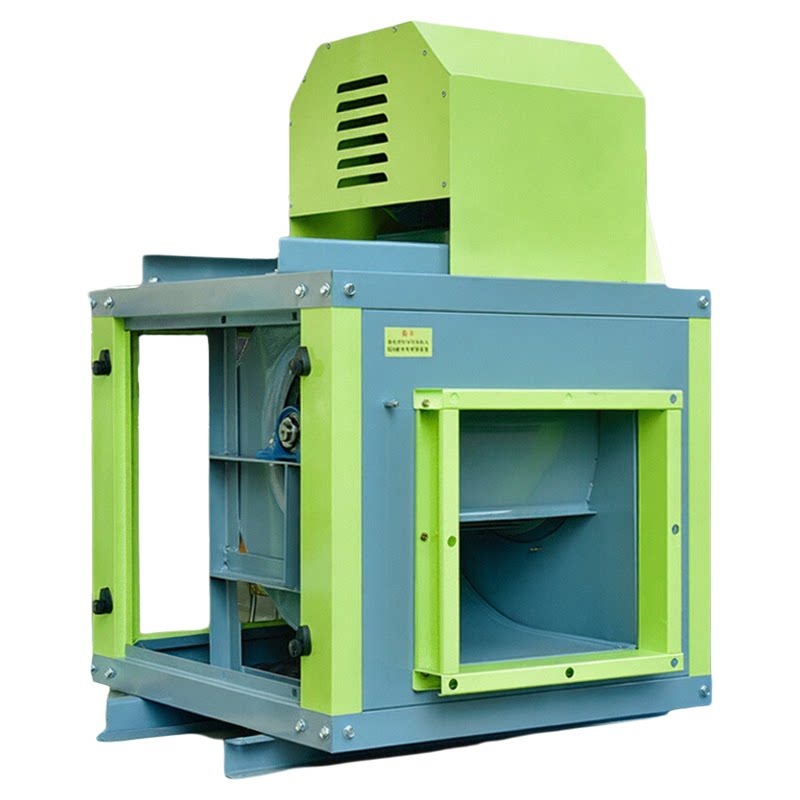
Find the Source of Wet Air
A humidity extractor fan works best when the source of wet air is clear. Start with a simple site check. Ask if the wet air comes from drying goods, washdown, a process, weather, or people in the room. Then find where that air builds up. A humidity extractor fan needs a way to move air out. It also needs a way for new air to come in.
Write down the room length, width, and height. Note doors, windows, heat sources, and work tools. Take photos of the wall or roof where the unit may go. These facts help make a humidity extractor fan enquiry clear. They also help show if the air has a short path or a long path to the outside.
Look at the Full Air Route
Ne selecione un ventilator pro extraher umiditate solmente ex area del camera. Observa le tota itinere. Un apertura directe in le muro non es le mesme que un ducto longe. Ductos, curvas, gratias, filtros e dampers pote cambiar le carga super le ventilator. Un ventilator pro extraher umiditate pro un itinere breve e aperte forsi non es idonee pro un itinere con multe partes.
- Marca ubi le aere umide intra in le camera.
- Marca ubi le ventilator pro extraher umiditate trahera o spingerá le aere.
- Enumera cata ducto, curva, grata e damper in le itinere.
- Assicura te que il ha un loco secur pro que le aere exeat le edificio.
Non existe un sol ventilator pro omne camera umide. Le selection correcte depende del itinere del aere e del labor in le camera. Si le itinere ha multe limites, communica isto al fornitor. Es melior revisar le itinere complete ante de seliger un modello.
Selige le typo de ventilator con cura
Un unitas axialis potest esse optima optio pro ventiliatore extrahente umiditatem, ubi est via directa per parietem aut per ductum brevem. In lista productorum electorum sunt duo ventilatores axiales pro siccatione. Ventilator axialis ex accipensio 304 est notatus pro cameris siccandis. Ventilator axialis cum laminis ex alluminio est notatus pro curanda tabaci.
Productum portabile habet alium officium. Ventilator portabilis fluxus axialis est notatus pro spatiis angustis. In eius registro producti dicitur posse connexum esse ad ductus aereos telescopicos. Hoc potest eum utilem reddere ad aestimandum opus breve aut locale. Ventilator portabilis extrahens umiditatem non idem est ac systema fixum. Dicite suppeditatori si ventilator debet moveri inter areas operis.
Examina Calorem, Humorem, et Potentiam
Humid air is merely one factor to consider. Inquire about temperature, dust, cleaning fluids, and other site-specific conditions. The product record for the 304 Stainless Steel Axial Fan specifies construction from 304 stainless steel. It also indicates F-class or H-class motor insulation. Its record states suitability for use up to 200°C. Site conditions must still align precisely with product specifications before placing an order.
The title of the Aluminum Blade Axial Fan states 39,000 m³/h. This provides buyers with a genuinely high-capacity axial fan for comparison. However, do not rely solely on this figure when selecting a humidity extraction fan. Actual airflow path, power supply, and physical fit remain critical. Provide the supplier with local voltage requirements and the intended mounting location.
Plan Installation and Maintenance
Allow sufficient space for fan installation, inspection, and cleaning. Examine the wall or supporting frame. Verify clearance at both inlet and outlet. Plan for safe, unobstructed access during servicing. List any required accessories—such as louvers, guards, or duct connections—that must be integrated into the installation. These seemingly minor details can significantly impact the performance and feasibility of a humidity extraction fan installation.
Statuere planum inspectionis simplicem pro custodibus, laminis, coniunctionibus, et via effluentia. Isolare unitatem ante omnem inspectionem. Ad citatum ventilatorem extractorem umoris clarum, mitte dimensiones cameræ, imagines, facta de ductibus, potentiam, calorem, et humiditatem. Interrogatio de ventilatore extractore umoris facilius recensetur, si ista facta completa sunt. Ventilator extractor umoris debet convenire viam specificatam. Ventilator extractor umoris debet congruere conditionibus operis specificatis. Hoc permittit Zicheng recensere opus specificatum sine affirmatione antequam conditio loci cognoscatur.

 EN