Map the Full Air Route
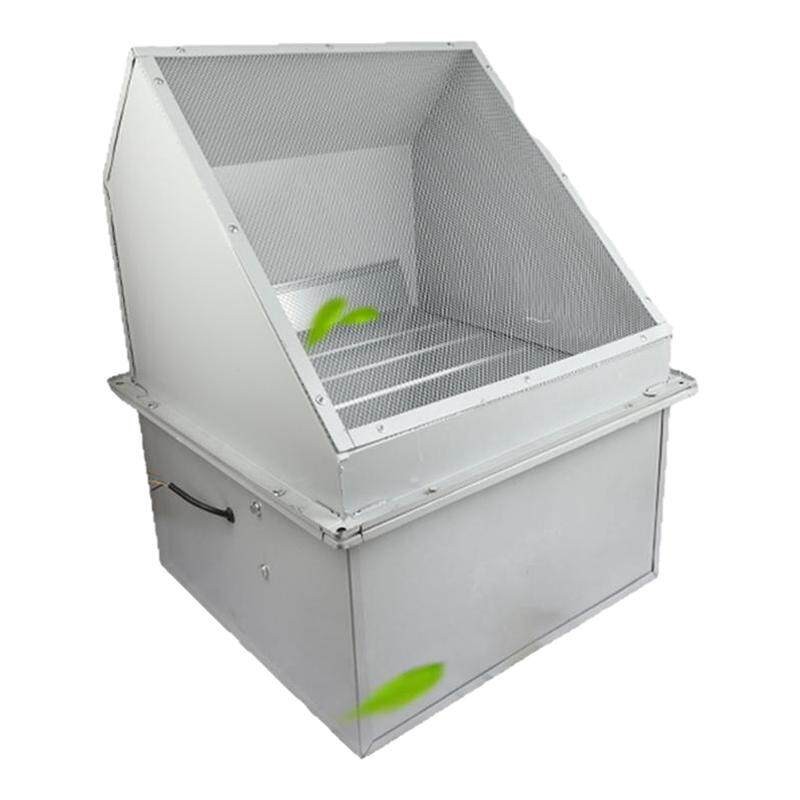
A fume extractor fan is part of a full air route. A fume extractor fan needs a hood, duct, filter, and outlet plan. List each part of the route. Mark the hood, duct size, bends, joints, dampers, filter, and end point. A fume extractor fan works at the point where its fan curve meets the duct load. The flow at the fan is not proof of flow at the hood. A fume extractor fan needs a clear target at the work zone. Use a site sketch to set that target.
Check Flow and Pressure as a Pair
A fume extractor fan must suit both air flow and static pressure. A fume extractor fan for a short, plain duct may need less pressure than one with long runs, bends, or filters. The 4-72A records state a top static pressure of 2,500 Pa. The selected 9-19 and 9-26 high-pressure fans state higher top pressure values. A fume extractor fan is not chosen by the top pressure alone. Use the flow and pressure at the same duty point. Ask for the fan curve for the exact model and setup.
Know What the Fan Will Move
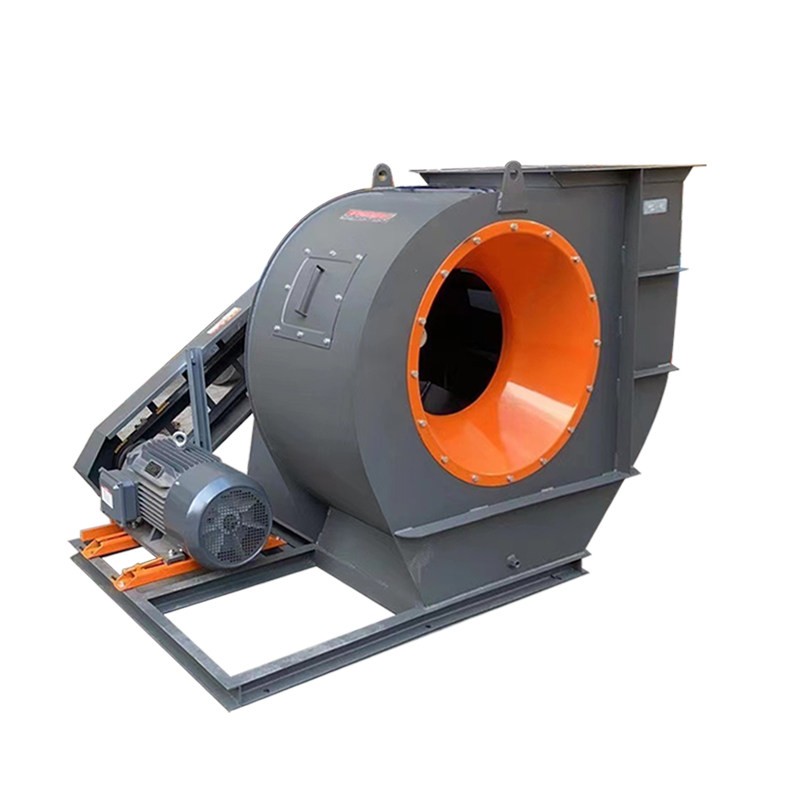
A fume extractor fan must suit the air stream. A fume extractor fan for clean shop air is not the same as one for process gas or dust. The selected stainless 4-72A has a 304 stainless steel case. Its product record states a top gas heat of 80°C and a top dust and hard-particle load of 150 mg/m³. The listed 4-72A products are for air and non-self-igniting, non-corrosive gases within stated limits. A fume extractor fan should not be assumed to suit flammable, explosive, highly corrosive, viscous, or unknown fumes. Such work needs a full safety and engineering review.
Plan the Install Before You Buy
A fume extractor fan needs room for safe fit and service. A fume extractor fan may need a base, support, flex joint, and access to the filter. Check power, mount way, inlet and outlet size, and the space around the unit. The 4-72A records list A, B, C, and D forms. These forms can help match a fan to an old duct route. A fume extractor fan should be tied to the exact form and size before the order is set. Keep bends smooth where you can. Plan access for checks and filter work.
Send Clear Data for a Product Check
A fume extractor fan quote is more useful when the buyer sends full site data. Send the needed air flow, pressure estimate, duct sketch, duct size, bend count, filter type, gas heat, dust notes, power feed, and run time. A fume extractor fan request should also say if the work is a new build, swap, or site refit. A fume extractor fan can then be checked against the site facts. This fume extractor fan review avoids a guess based on a name or a top rating alone.

 EN