Map the Air Route First
A roof ventilator fan works as part of an air route. It is not a stand-alone choice. First, mark where fresh air comes in. Then mark where hot, wet, or used air builds up. Next, mark where that air can leave. This simple map helps show if a roof ventilator fan has a clear job.
Look at the roof shape too. Note the roof height. Note the hole size. Note walls, beams, and tall gear near the path. A roof ventilator fan may help at the top of a large room. Yet it may not reach a closed work bay below. The air route must fit the real space.
Check Flow and Drag
Airflow is a key fact for a roof ventilator fan. It is not the only fact. A fan can move air in open space. The same fan may move less air through a hard route. Ducts add drag. Bends add drag. Grilles, dampers, and filters add drag too.
List each part in the route. Give the duct size and its rough length. Say how many bends are in the run. Add a photo or a plan if you can. These facts help show the duty point for the roof ventilator fan. They also help a supplier decide if an axial type is worth a closer look.
Choose the Right Fan Group
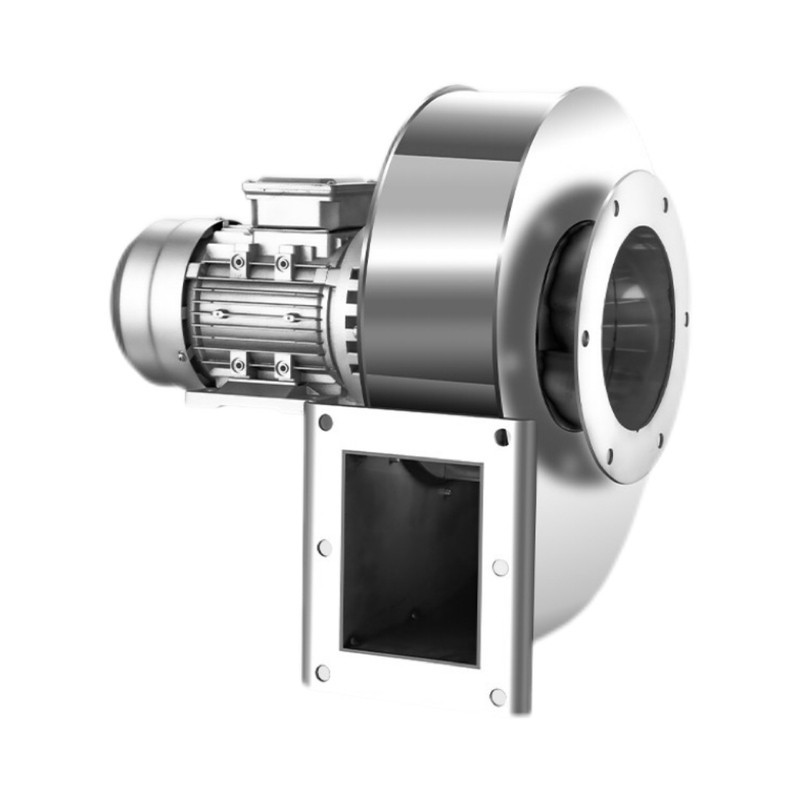
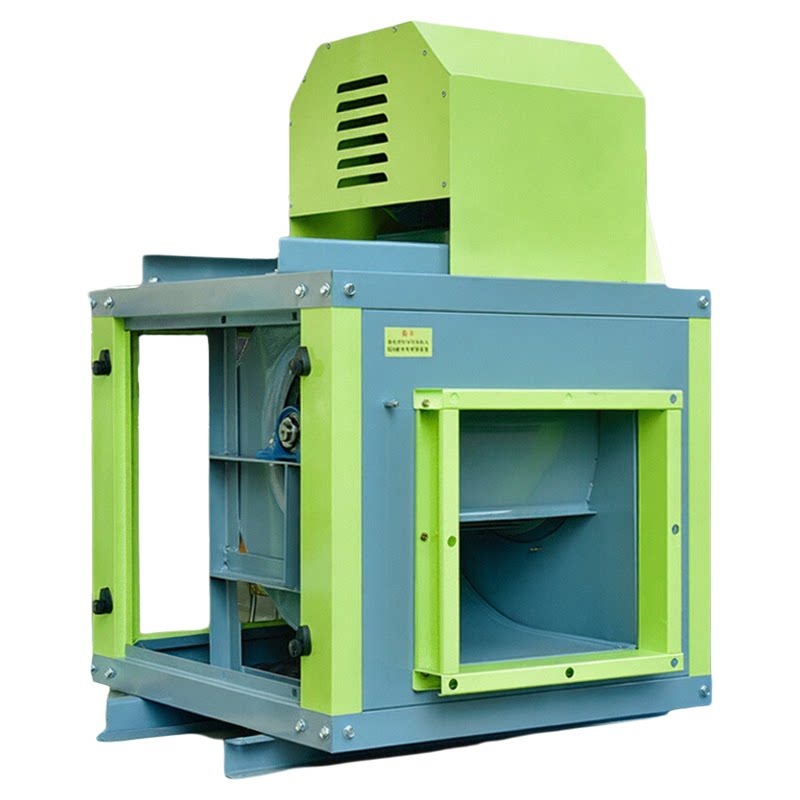
An axial type may suit a roof ventilator fan when air has a short, clear route. The real site still decides the fit. The products shown here are real axial fan records. They relate to drying, curing, and mobile air jobs. They are not proof that each one is a roof ventilator fan unit.
A roof ventilator fan may need a curb, a cap, or a guard. It may need a new mount plan. It may need a safe way to reach it for checks. A wall fan, a roof ventilator fan, and a fan on a long duct can have very different needs. Ask about the mount before you choose a model.
- Use a roof ventilator fan brief to state if air must leave, enter, or mix in the space.
- Use a roof ventilator fan brief to show where make-up air will enter the building.
- Use a roof ventilator fan brief to list ducts, filters, grilles, and other parts in the air route.
- Use a roof ventilator fan brief to show roof size, slope, and safe service access.
Review Site Conditions
Heat can change the fan choice. So can damp air, dust, oil, or harsh gas. Write down what the roof ventilator fan may face each day. Do not use a broad building name as a full site note. A food room, a drying room, and a work shop can have very different air and heat near the roof.
The 304 Stainless Steel Axial Fan 200°C for Drying Rooms is a real catalog item. Its name shows a drying-room use. It does not make it a fit for each roof ventilator fan job. Check the product facts and the site facts side by side. Power needs must be checked too. Confirm voltage, phase, and local wiring rules before a roof ventilator fan is set in the plan.
Plan for Safe Upkeep
A roof ventilator fan needs a way to be checked. Think about the path to the roof. Think about how the unit will be cleaned or shut off. Think about guards, covers, and the room around the opening. These points can affect the mount choice and the work plan.
Send a clear brief for the roof ventilator fan request. Give room size, roof height, roof hole size, air job, work hours, duct notes, power, and site risks. Add photos or a sketch. There is no one right roof ventilator fan for all buildings. The best fit depends on flow, drag, site air, and the mount. This gives the supplier a sound base for a product review.

 EN