Commercial Extractor Fan for Restaurant Kitchen

Get a Free Quote

Our representative will contact you soon.
Email
Mobile/WhatsApp
Name
Company Name
Message
0/1000
Restaurant Kitchen Commercial Extractor Fans

Restaurant Kitchen Commercial Extractor Fans

A commercial extractor fan for restaurant kitchen work should match the whole exhaust route. A commercial extractor fan for restaurant kitchen work should not be chosen by a free-air rating alone. This commercial extractor fan for restaurant kitchen guide shows centrifugal and cabinet fan options for restaurants, hotel kitchens, canteens, and food-service sites. Zicheng makes axial fans, centrifugal fans, kitchen exhaust fans, and vortex blowers. Buyers can review several fan families from one source. Start with the hood layout, duct route, airflow need, pressure need, mounting space, and local rules. Then compare the fan with the real duty point and site conditions. Send those project details to discuss product options and request a quote.
Get A Quote

A Direct Fan Manufacturing Source

Supplier context for restaurant kitchen ventilation projects.

Direct Manufacturing Support

Zicheng is a manufacturer with direct production capability for its fan range. Project buyers can discuss their application needs and compare suitable product options with the supplier.

Multiple Fan Families

The range includes axial fans, centrifugal fans, kitchen exhaust fans, and vortex blowers. Buyers with several ventilation zones can review related types through one supplier while sizing each zone on its own.

Related products

Kitchen Cabinet Fan Features

Kitchen Cabinet Fan Features

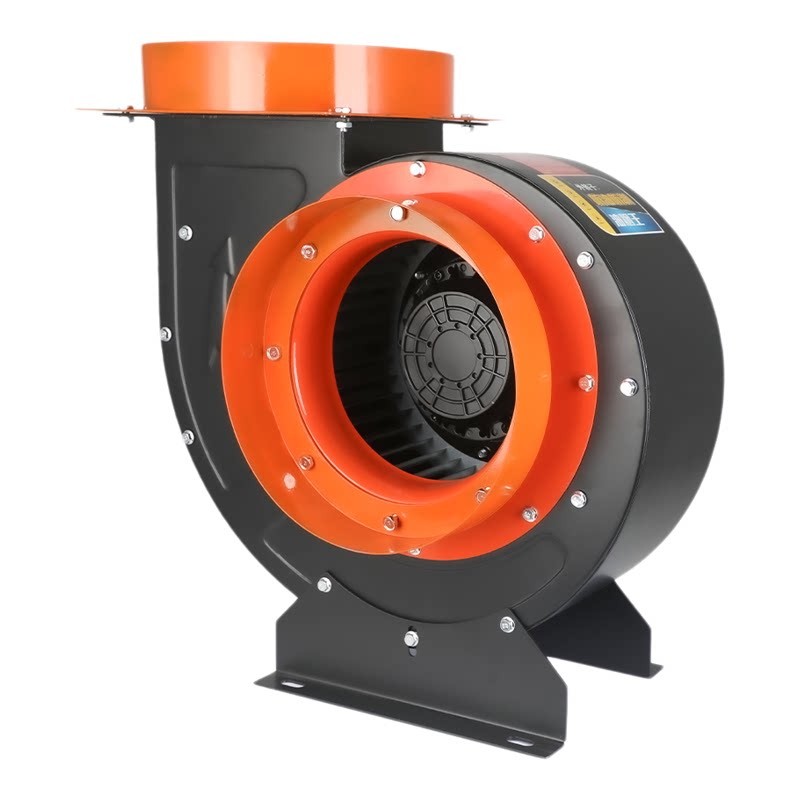
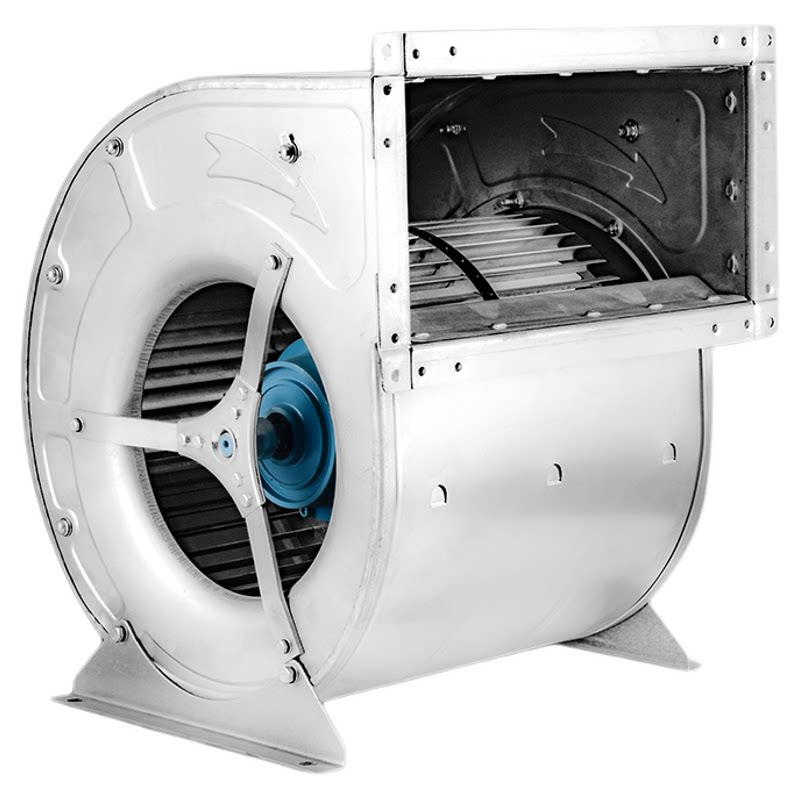
The published cabinet smoke exhaust fan lists an IP65 motor, high-temperature coils, high-temperature ball bearings, direct drive, and a cabinet-style case. It is a product to assess when a restaurant kitchen is hot, humid, short on space, or uses a duct system with notable pressure loss. Final selection must match the duty point and local requirements.

Map the Exhaust Route First

For a commercial extractor fan for restaurant kitchen use, start at the hood. Follow the air path to the outlet. Note the hood type, cooking equipment, duct size, duct length, bends, filters, dampers, and outlet point. Each part can add resistance. A commercial extractor fan for restaurant kitchen use can move a different volume after it is connected to a real duct system. Compare a fan curve at the needed airflow and pressure. Do not compare only the largest free-air number.

There is no one fan for every restaurant. A small kitchen with a short duct run and a large kitchen with many hoods can need different fan duties. Ask a qualified designer or installer to calculate the duty point before choosing motor power.

Use Pressure and Airflow Together

Centrifugal fans are often reviewed for ducted kitchen exhaust. The CF-11 product is listed with up to 20,000 m³/h and up to 1,000 Pa. The 11-62 model is another listed centrifugal option for hotel kitchens. These are stated product maximums. They are not a promise for each site.

A commercial extractor fan for restaurant kitchen project should be checked against the real duct load. A commercial extractor fan for restaurant kitchen project can have a longer route, more bends, or added parts that change the load. Use the expected airflow and pressure together when reviewing the fan curve.

  • Compare the fan curve with the calculated airflow and pressure point.
  • Allow for filters, grease-control parts, dampers, and later duct changes.
  • Check power supply, mounting, service space, and vibration control with the project team.

Review Heat and Moisture Conditions

A restaurant kitchen can have heat, steam, grease-laden air, and cleaning moisture. The listed cabinet fan has an IP65 motor, high-temperature coils, and high-temperature ball bearings. These are useful facts when comparing products for a hard environment. They do not replace a check of ambient temperature, air conditions, installation position, or local rules.

Plan for access as well. The fan and ductwork need safe inspection and cleaning access. If the fan sits near dining space, include sound needs at the start of the project. It is harder to solve sound issues after the system is in place.

Balance Space, Sound, and Service

A commercial extractor fan for restaurant kitchen use may need pressure, low sound, compact placement, and easy access. These needs can pull a design in different ways. A cabinet unit may suit a tight ceiling or plant room. A centrifugal fan may suit a duct route with more resistance. The better choice depends on the full system. The commercial extractor fan for restaurant kitchen should also allow safe access for cleaning and inspection.

For a formal specification, use the standard categories required for fan testing, ingress protection, smoke control, and kitchen ventilation in the installation market. Confirm exact rules with qualified local professionals. Send the airflow target, pressure, duct layout, temperature, voltage, and preferred fan position when requesting a recommendation.

Restaurant Extractor Fan FAQ

Questions to clarify before selecting a kitchen exhaust fan.

How is a restaurant fan size selected?

Start with the hood airflow need and cooking load. Then calculate the resistance of the full route. Include duct size and length, bends, filters, dampers, grease-control parts, and the outlet. Use the airflow and pressure duty point to review fan curves. Floor area alone is not enough. Two kitchens of the same size can have very different hood layouts and duct loads. A project engineer or qualified installer should check the final design against local requirements.
A centrifugal fan is often reviewed for a ducted restaurant kitchen when the duct route and its resistance matter. The selected CF-11 and 11-62 products are centrifugal options with stated kitchen uses. Their published maximum values define the product range, but they are not the operating point for every job. Compare airflow and pressure with the correct fan curve. Then check voltage, mounting, service access, and site conditions before a final buying decision.
Send the hood count and size, cooking equipment, target airflow, expected static pressure, duct drawing or route, voltage, and fan location. Also state any limits on space or sound. Note if the air stream has grease, steam, or high heat. State if the job is new construction or replacement. A commercial extractor fan for restaurant kitchen quote is more useful when it is based on these site details. Local code review and engineering approval stay with the buyer's project team.
Follow the installed system instructions and local cleaning and safety rules. Plan safe access to the fan, duct joints, controls, and related filters. A routine check can look for grease, loose parts, unusual vibration, damaged seals, and sound changes. Cleaning needs depend on cooking volume, equipment, and local rules. Set the interval for the actual kitchen. Disconnect and secure equipment before service. Use qualified staff when the work calls for it.

Related article

How to Choose a Reliable Centrifugal Fan Manufacturer in China (2026 Buyer's Guide)

14

Sep

How to Choose a Reliable Centrifugal Fan Manufacturer in China (2026 Buyer's Guide)

A practical 2026 buyer's guide to choosing a trustworthy centrifugal fan manufacturer: certifications, quality control, SS304 materials, OEM support, MOQ and delivery.
View More
How to Choose the Right Aquaculture Aerator for Your Fish Farm (2026 Buying Guide)

14

Sep

How to Choose the Right Aquaculture Aerator for Your Fish Farm (2026 Buying Guide)

Paddle wheel, impeller or vortex? Learn how to size a pond aerator, cut energy costs and find a reliable aquaculture aerator manufacturer for your farm.
View More
Industrial Ventilation Fan Selection Guide: Axial vs Centrifugal vs Mixed Flow

14

Sep

Industrial Ventilation Fan Selection Guide: Axial vs Centrifugal vs Mixed Flow

Compare axial, centrifugal and mixed flow industrial ventilation fans by pressure, airflow and noise, and learn how to buy direct from a factory.
View More

Get a Free Quote

Our representative will contact you soon.
Email
Mobile/WhatsApp
Name
Company Name
Message
0/1000