Commercial Extractor Hood for Kitchen Exhaust

Get a Free Quote

Our representative will contact you soon.
Email
Mobile/WhatsApp
Name
Company Name
Message
0/1000
Commercial Extractor Hood Systems for Kitchen Exhaust

Commercial Extractor Hood Systems for Kitchen Exhaust

A commercial extractor hood needs a hood, a duct, filters, and a fan that work as one. This page helps kitchen buyers plan a commercial extractor hood for a restaurant, hotel, canteen, or food shop. Start with the cook line, hood size, duct run, bends, filters, and outlet. Do not pick a fan by air flow alone. ZICHENG makes axial fans, centrifugal fans, kitchen exhaust fans, and vortex blowers. The fan choices below can be checked against your site plan. Send the hood layout, duct sketch, power supply, and use case. These facts help a supplier review a commercial extractor hood before it prepares a quote. A good commercial extractor hood request also states the site hours and the fan location.
Get A Quote

Supplier Context for Hood Projects

These product types give buyers a clear way to check a commercial extractor hood system against a real duct plan. They also help a team list the facts for a commercial extractor hood quote.

Direct Fan Production

Taizhou Zicheng Electromechanical Co., Ltd. says it makes ventilation fans. Its work includes design, development, and production.

Relevant Fan Categories

Its stated range includes axial fans, centrifugal fans, kitchen exhaust fans, and vortex blowers. These types can be reviewed for a commercial extractor hood.

Multi-Type Project Sourcing

The range includes CF-11, 11-62, and PCF fan types. Buyers can compare each type with the duct load and space at a site.

Related products

Fan Match for Duct Resistance

Fan Match for Duct Resistance

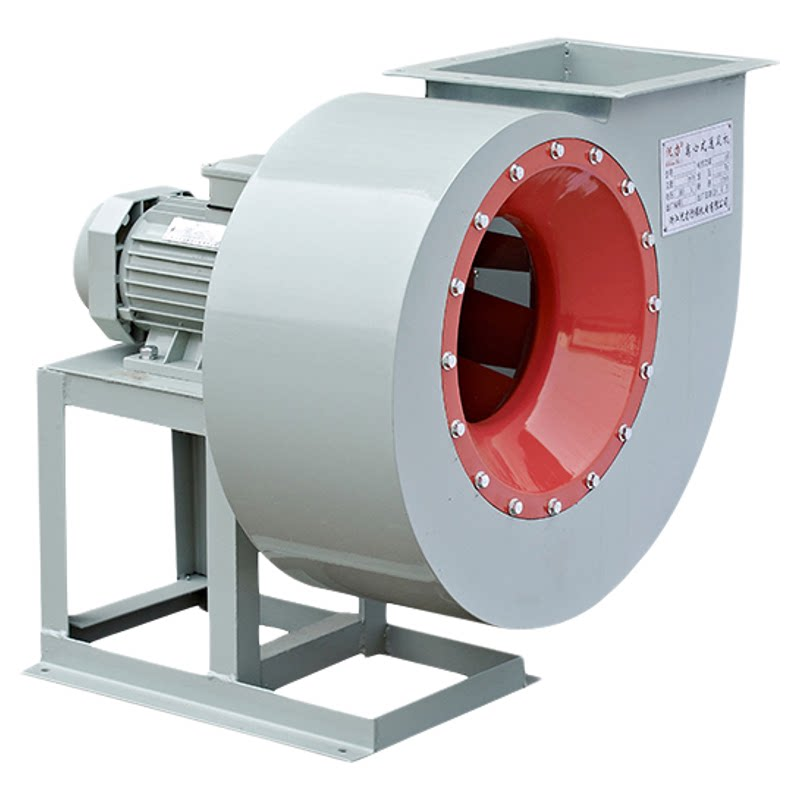
The CF-11 fan is listed for kitchen use. Its page lists a top flow of 20,000 m³/h and a top static pressure of 1,000 Pa. It is one fan to check when a commercial extractor hood has a long duct, bends, filters, or dampers. The final fan choice must use the real system load. Ask for a commercial extractor hood review with a duct sketch.

Map the Commercial Extractor Hood Path

A commercial extractor hood is one part of a full kitchen exhaust path. The path runs from the cook line to the hood, filters, duct, fan, and outlet. Draw this path before you pick a fan. Note the hood size, the cook gear, the duct size, and the place where air will leave the site.

For each commercial extractor hood, note each bend, damper, filter, and duct change. These parts add load. A fan may move one air flow in free air and a lower air flow in a real duct. A clear sketch gives the supplier a better base for a commercial extractor hood review.

Write “commercial extractor hood” on the project file so the team keeps the hood and fan selection linked.

Match the Fan to the Duct

A commercial extractor hood with a long or complex duct may need a fan that can work with more duct load. The listed 11-62 and CF-11 items are centrifugal fan options for kitchen use. The CF-11 page lists a top flow of 20,000 m³/h and a top static pressure of 1,000 Pa. Use these listed facts as a start, then match the fan to the real load.

  • Check the 11-62 fan for a commercial extractor hood in a hotel kitchen plan.
  • Check the CF-11 fan when a commercial extractor hood has duct bends or filters.
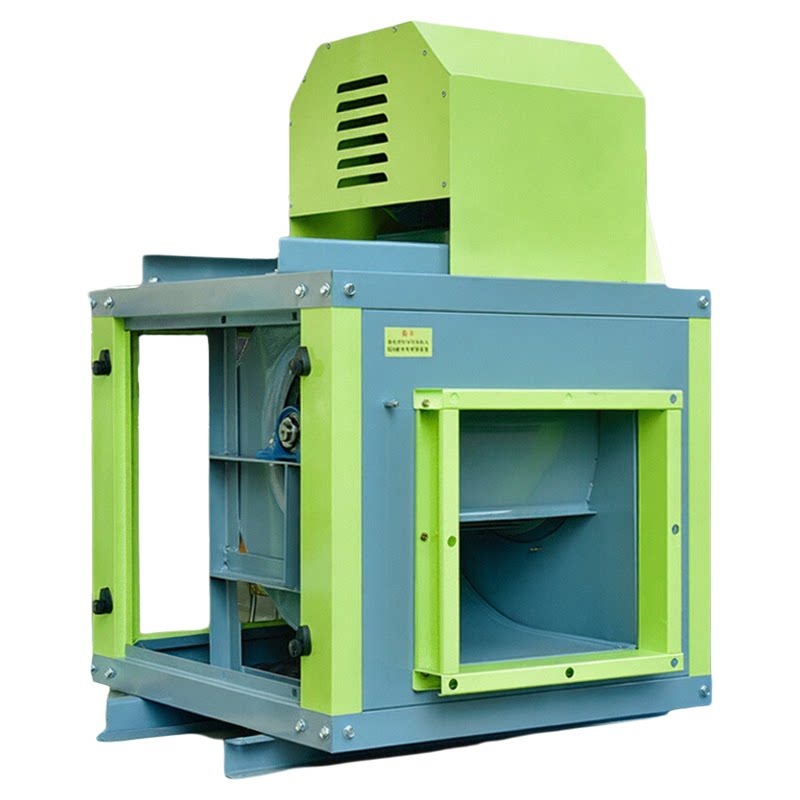
  • Check the PCF cabinet fan when a commercial extractor hood has tight space around the fan.

There is no one fan for every commercial extractor hood. A short, straight duct and a long duct with many bends do not have the same load. If sound is a key issue, share the fan site, mount plan, and the sound limit. If heat or damp air is a key issue, share that too.

For each commercial extractor hood zone, keep the duct drawing with the fan data sheet.

Check Space and Power

Plan the fan site as you plan the commercial extractor hood. Check if the fan will sit in a roof zone, plant room, ceiling void, or wall space. Leave room for safe work, checks, and cleaning. The PCF cabinet fan may suit a tight space, but you must check its size, air link, and work space at the site.

Give the supplier the local voltage, frequency, phase, and power limit. Give any need for a switch, speed control, or link to other gear. These facts help the supplier check a commercial extractor hood fan option. They do not replace a site plan or local rules.

Before the order, review the commercial extractor hood route one more time with the site team.

Keep the Air Path Clean

Grease, heat, and damp air are part of many commercial extractor hood jobs. Set a plan for filter clean work, duct checks, and fan care. A full filter can add duct load. A blocked duct can hurt air flow. Do not expect a new commercial extractor hood fan to fix a dirty filter or a bad duct path.

Send a Useful Quote Request

For a commercial extractor hood quote, send the hood size, cook line, duct drawing, duct size, fan site, power data, and use case. Add site photos when you can. ZICHENG can then check which listed kitchen fan type is worth a closer look for the facts you gave.

Commercial Extractor Hood FAQ

Selection questions for ducted kitchen exhaust projects.

What details define hood fan selection?

For a commercial extractor hood, send the hood size, cook line, duct size, duct path, filters, bends, and outlet plan. Add the fan site, power data, and space limit. These facts show the air path and duct load. A supplier can then check its listed fan data against the use case. The full kitchen plan must also meet the local rules that apply at the site. Mark each commercial extractor hood zone on the drawing.
Duct load is a key part of a commercial extractor hood plan. Long duct runs, bends, filters, dampers, and size changes all add load. This can change the air flow a fan gives in use. Send a simple duct sketch with the quote request. It lets the supplier discuss the fan type for the real path, not just a free-air figure. This is why a commercial extractor hood quote needs more than a hood size.
No. Each commercial extractor hood has its own hood size, cook line, duct path, fan site, power data, and local rules. A fan listed for kitchen use can be a good item to check, but it must fit the site facts. A site with more than one hood may also need a full plan for zones, fan links, and controls. Do not choose by the fan name alone. Treat each commercial extractor hood as its own ducted system.
Ask for the listed data for the fan option, such as size, power type, air link, and duty data. For a commercial extractor hood, give the supplier your voltage, duct sketch, hood plan, site space, and work conditions. Also make clear who will plan the duct, fit the fan, set controls, clean the system, and check local rules. This makes a quote easier to review. Keep the commercial extractor hood data with the final quote.

Related article

How to Choose a Reliable Centrifugal Fan Manufacturer in China (2026 Buyer's Guide)

14

Sep

How to Choose a Reliable Centrifugal Fan Manufacturer in China (2026 Buyer's Guide)

A practical 2026 buyer's guide to choosing a trustworthy centrifugal fan manufacturer: certifications, quality control, SS304 materials, OEM support, MOQ and delivery.
View More
How to Choose the Right Aquaculture Aerator for Your Fish Farm (2026 Buying Guide)

14

Sep

How to Choose the Right Aquaculture Aerator for Your Fish Farm (2026 Buying Guide)

Paddle wheel, impeller or vortex? Learn how to size a pond aerator, cut energy costs and find a reliable aquaculture aerator manufacturer for your farm.
View More
Industrial Ventilation Fan Selection Guide: Axial vs Centrifugal vs Mixed Flow

14

Sep

Industrial Ventilation Fan Selection Guide: Axial vs Centrifugal vs Mixed Flow

Compare axial, centrifugal and mixed flow industrial ventilation fans by pressure, airflow and noise, and learn how to buy direct from a factory.
View More

Get a Free Quote

Our representative will contact you soon.
Email
Mobile/WhatsApp
Name
Company Name
Message
0/1000