Commercial Kitchen Extractor Fan Buying Guide

Get a Free Quote

Our representative will contact you soon.
Email
Mobile/WhatsApp
Name
Company Name
Message
0/1000
Commercial Kitchen Extractor Fan Selection Guide

Commercial Kitchen Extractor Fan Selection Guide

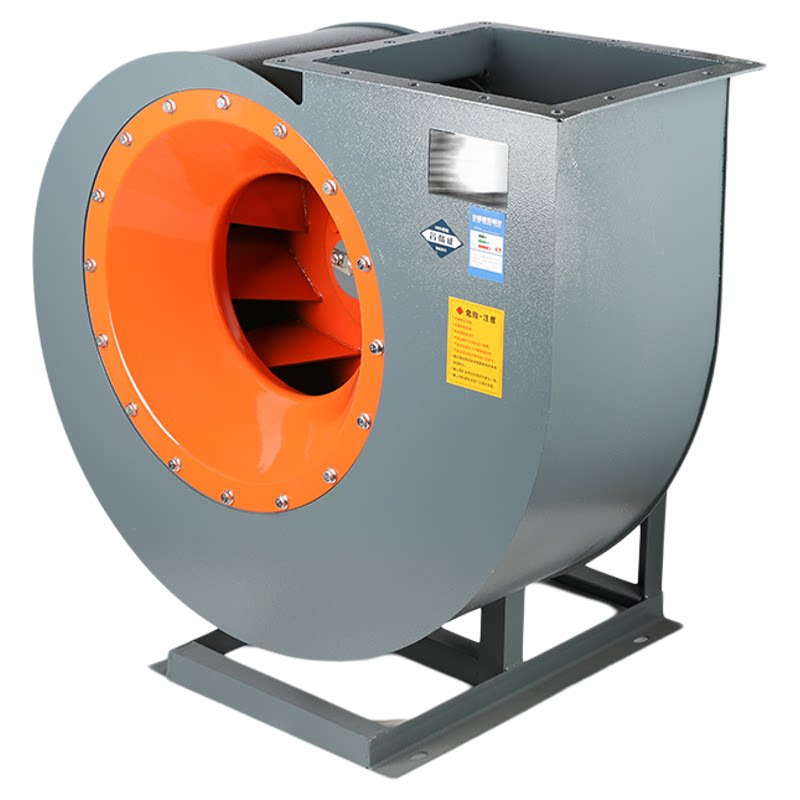
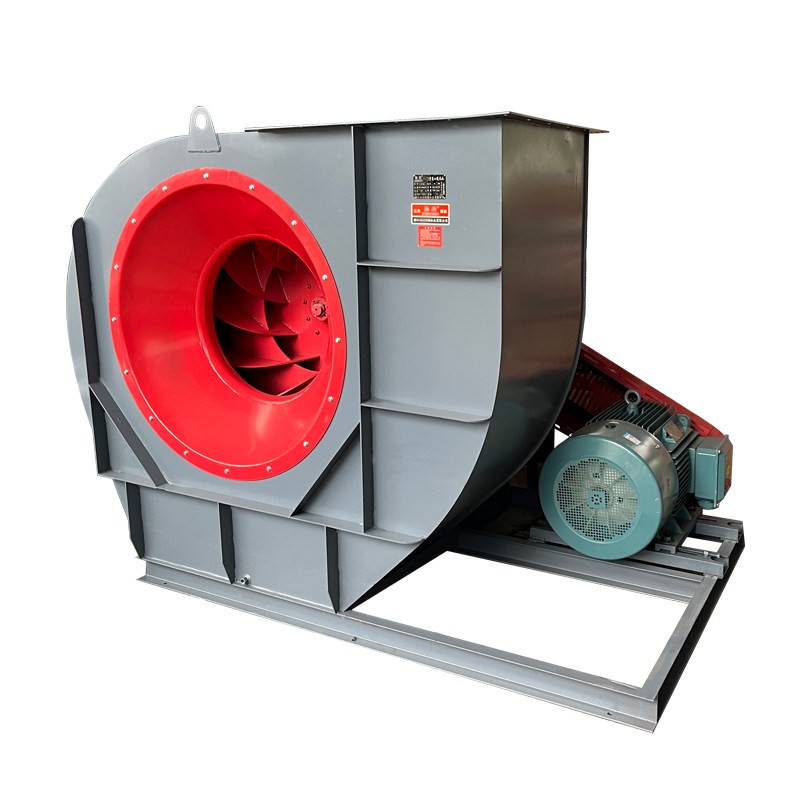
A commercial kitchen extractor fan works as part of a hood and duct system. A commercial kitchen extractor fan removes air from a cooking area and moves it through the planned route. Restaurant, hotel, canteen, and food-service buyers should start with the hood size, cooking load, duct path, bends, filters, discharge point, space, and power. These facts set system resistance for a commercial kitchen extractor fan. ZICHENG makes axial fans, centrifugal fans, kitchen exhaust fans, and vortex blowers. The products shown here include centrifugal fans for kitchen use and a cabinet smoke exhaust fan with IP65 motor protection. Share airflow, static pressure, duct plan, and site conditions. The supplier can discuss a commercial kitchen extractor fan fit and provide a quote.
Get A Quote

Supplier Context for Kitchen Fan Projects

Relevant capability points for buyers evaluating a commercial kitchen extractor fan supplier.

Direct Fan Manufacturing

Taizhou Zicheng Electromechanical Co., Ltd. is listed as a manufacturer, not a trading company. Its stated work includes design, development, and production of axial fans, centrifugal fans, kitchen exhaust fans, and vortex blowers.

Multi-Type Fan Coverage

The stated range includes axial fans, CF-11 and 11-62 centrifugal fans, and smoke exhaust fans. This range gives a project buyer a place to compare fan types when different areas need different air paths.

Related products

A Ducted Kitchen Fan Option

A Ducted Kitchen Fan Option

The CF-11 Multi-Wing Centrifugal Fan is listed for kitchen use. Its record states a maximum airflow of 20,000 m³/h and a maximum static pressure of 1,000 Pa. The same record lists a flange for ducted installation. Use these facts as a starting point when you compare a commercial kitchen extractor fan with a calculated system duty.

Set the Hood Duty First

A commercial kitchen extractor fan should match the whole hood system. List the hood size, the cooking line, and the hours of use. Note if the kitchen is new or if it is a replacement job. This helps the team describe the duty in clear terms.

For a commercial kitchen extractor fan, do not start with fan inlet size alone. Start with the air that the hood must move. Then state the airflow target and the job conditions. A commercial kitchen extractor fan can be reviewed against those facts.

Map the Duct Route

A commercial kitchen extractor fan moves air through a route, not through open space. Draw the duct run. Include length, size, bends, filters, dampers, and the discharge point. Each part can add resistance.

For a commercial kitchen extractor fan, the system duty matters. A long run may need a different fan setup than a short, straight run. The CF-11 and 11-62 product records list a maximum static pressure of 1,000 Pa. Use that published figure for comparison, not as a promise for every site.

Ask for a commercial kitchen extractor fan with the duct facts in the enquiry. This gives the supplier data to discuss a fit. It also helps avoid a commercial kitchen extractor fan choice based only on floor size.

Check the Site and Power

A commercial kitchen extractor fan may sit in a ceiling void, plant room, service area, or outside space. Check room size, access, mounting, power, heat, and moisture. Plan room for service work.

For a commercial kitchen extractor fan in a hot or damp site, state those conditions. The Cabinet Smoke Exhaust Fan record lists IP65 motor protection, high-temperature coils, and high-temperature ball bearings. These are product facts. They do not replace a site review or local rules.

Before you buy a commercial kitchen extractor fan, check the power supply and the space around the unit. Check how the duct joins the fan. Check if the unit can be reached for care.

Plan for Sound

A commercial kitchen extractor fan can add sound to a work or dining area. Fan speed, duct speed, mount type, and vibration can all change the sound at the site. The 11-62 product record lists 65 dB. The sound at a finished site can differ from that product figure.

When a commercial kitchen extractor fan is near rooms in use, state the sound need early. The fan, duct, mount, and any sound control parts can then be reviewed as one system.

Send a Clear Enquiry

A commercial kitchen extractor fan enquiry should include airflow, static pressure, duct plan, hood data, site, power, and space limits. State if the job has a sound limit or a damp location. Say if the project is new, a repair, or an upgrade.

For each commercial kitchen extractor fan enquiry, send the same facts to the supplier. ZICHENG has documented axial, centrifugal, kitchen exhaust, and vortex blower product lines. A clear brief lets the next discussion focus on the product data and the site need.

Commercial Kitchen Fan FAQ

Practical questions for planning a ducted kitchen exhaust purchase.

What details help size a kitchen fan?

Send the target airflow and static pressure if you have them. Add a duct sketch. Show duct size, run length, bends, filters, dampers, discharge point, hood count, cooking line, site space, and power. For a commercial kitchen extractor fan, this data gives the supplier a clear start. For a commercial kitchen extractor fan replacement, add the old fan model and the issue at the site. The final choice should still match the project design and local mechanical or fire rules.
Review a centrifugal fan when a ducted system has resistance from length, bends, filters, or other parts. A commercial kitchen extractor fan is not selected by fan type alone. The fan curve and the system duty need to fit. The published CF-11 and 11-62 records list kitchen uses and maximum static pressure of 1,000 Pa. For a commercial kitchen extractor fan project, compare those records with the duct plan, power, space, and sound needs before you choose.
Check sound at the planned duty and in the full installation. Fan speed, housing, duct speed, mounting, vibration, and nearby rooms can change the result. A commercial kitchen extractor fan may need a sound plan when it is close to dining or work areas. The 11-62 record lists 65 dB, but site sound can differ. State the sound limit in the enquiry for a commercial kitchen extractor fan so it can be reviewed with airflow and pressure.
Check motor protection, heat, moisture, cleaning exposure, access, and the planned mount. The Cabinet Smoke Exhaust Fan record states IP65 motor protection plus high-temperature coils and high-temperature ball bearings. For a commercial kitchen extractor fan in a damp site, these product facts may be useful. They do not replace a review of site conditions or local rules. Send the location, duct join, power, and work need when you ask about a commercial kitchen extractor fan.

Related article

How to Choose a Reliable Centrifugal Fan Manufacturer in China (2026 Buyer's Guide)

14

Sep

How to Choose a Reliable Centrifugal Fan Manufacturer in China (2026 Buyer's Guide)

A practical 2026 buyer's guide to choosing a trustworthy centrifugal fan manufacturer: certifications, quality control, SS304 materials, OEM support, MOQ and delivery.
View More
How to Choose the Right Aquaculture Aerator for Your Fish Farm (2026 Buying Guide)

14

Sep

How to Choose the Right Aquaculture Aerator for Your Fish Farm (2026 Buying Guide)

Paddle wheel, impeller or vortex? Learn how to size a pond aerator, cut energy costs and find a reliable aquaculture aerator manufacturer for your farm.
View More
Industrial Ventilation Fan Selection Guide: Axial vs Centrifugal vs Mixed Flow

14

Sep

Industrial Ventilation Fan Selection Guide: Axial vs Centrifugal vs Mixed Flow

Compare axial, centrifugal and mixed flow industrial ventilation fans by pressure, airflow and noise, and learn how to buy direct from a factory.
View More

Get a Free Quote

Our representative will contact you soon.
Email
Mobile/WhatsApp
Name
Company Name
Message
0/1000