Plan the Full Air Path
A 6 inch duct fan works as part of a system. It does not work alone. Start with the duct inside diameter. Then map the full route. List the straight length, each elbow, each reducer, each grille, each filter, and the end point. These parts can slow air. A 6 inch duct fan in a short straight route faces a different load from the same fan in a long route with several bends.
Set the air need at the point where the air must move. Then ask how the duct path changes that need. A 6 inch duct fan free-air value is not the same as the air it can move through a real duct. Keep the drawing simple, but include all parts. If the route changes later, check the fan choice again. A new bend or filter can change the result.
Choose the Fan Type With Care
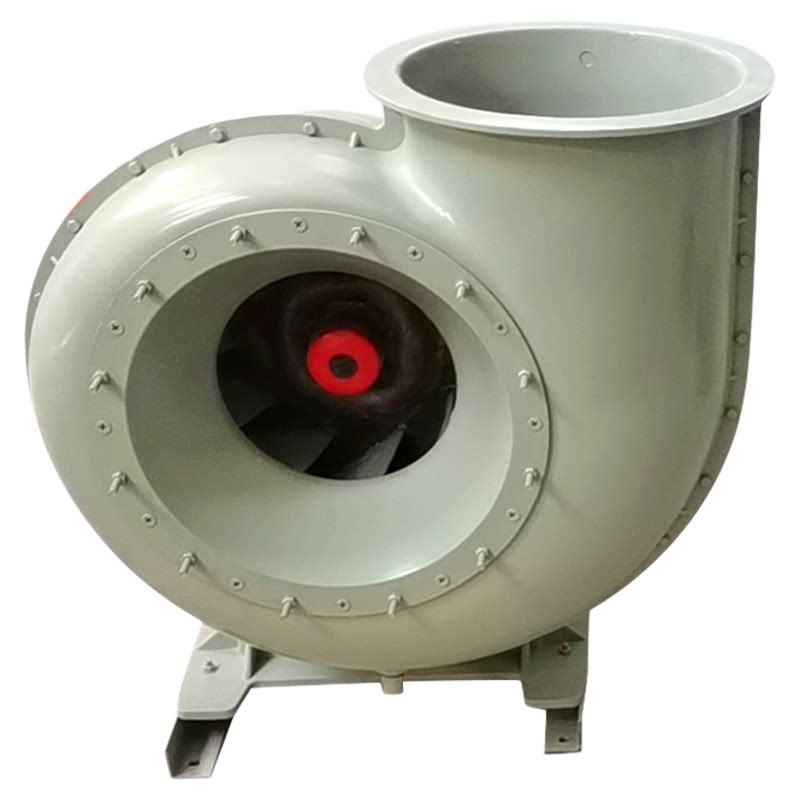
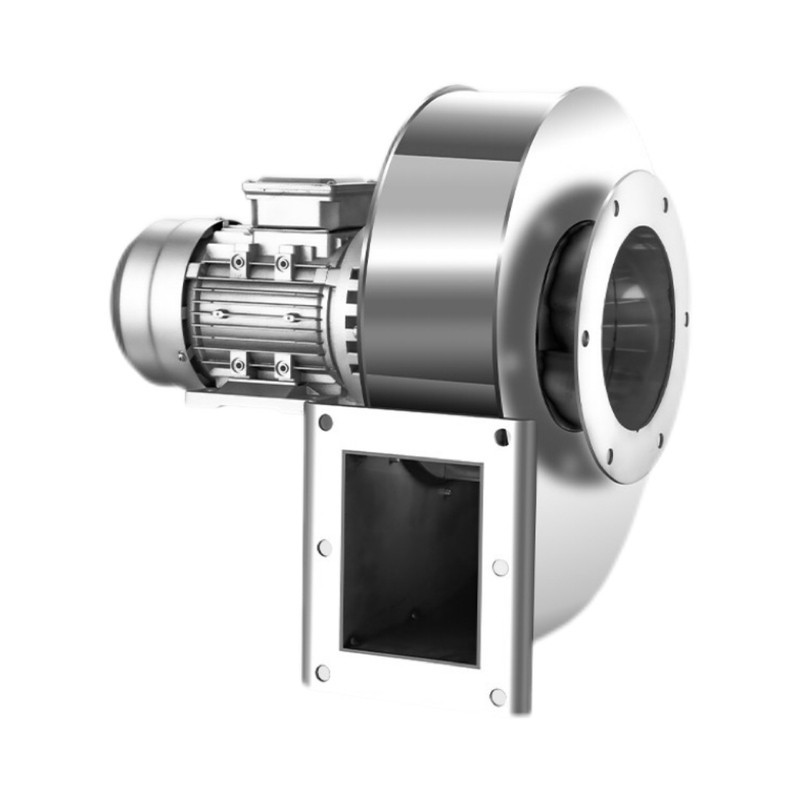
Axial fans can suit direct air movement and simple paths. Centrifugal fans may be worth a look when the path has more resistance. Long runs, filters, bends, and grilles can all change the choice. A 6 inch duct fan search does not tell the full story. The better fit depends on the complete air path and the job.
- Measure the inside size before you order a 6 inch duct fan.
- Show every bend and fitting in the planned duct route.
- State if the 6 inch duct fan will bring in air or take air out.
- State if the unit is fixed, portable, indoors, outdoors, or near a process area.
Check the Work Area
A 6 inch duct fan must suit its work area. Note the heat, moisture, dust, and other exposure at the fan location. Also note the power supply, mounting point, and space for service. Do not assume that any 6 inch duct fan is fit for a hot, wet, dusty, or harsh area. Ask for product facts for the real work condition.
Access is also important. A compact fan still needs room for duct clamps, guards, wire work, checks, and removal. Plan the duct route and the outlet before the unit is mounted. A 6 inch duct fan should have a safe air path and a clear service path. This can make later checks easier.
Use Product Records, Not Guesswork
The featured products are real axial fan records. They are not stated as exact 6 inch models. This point matters. The 304 Stainless Steel Axial Fan is listed for drying rooms. The Aluminum Blade Axial Fan is listed for tobacco curing. The Portable Axial Flow Fan is listed for confined spaces. These records show why a 6 inch duct fan phrase alone cannot set the final product choice.
Ask for the current size drawing, duct connection size, performance data, voltage options, and mounting details for each product. Compare each record with the planned 6 inch duct fan system. Check the real duct size as well as the nominal size. If the data does not fit the system, review another fan type. This is better than choosing a 6 inch duct fan only because the name looks close.
Review Flow and Pressure Together
Air volume and pressure work together in a ducted system. The planned route sets the load. The fan must be reviewed at that load. For a 6 inch duct fan project, send the route details with the air need. A supplier can use those details to discuss relevant product records. Do not choose the largest unit by default. More size does not solve every duct issue. It can also create a setup that does not match the task.
Make a short list before you buy. Include the duct size, duct length, bend count, air need, power supply, work area, and use time. Add a photo or sketch if you can. This list gives a supplier more useful facts than the words 6 inch duct fan alone. It also helps the buyer compare replies on the same basis.
Prepare a Clear Inquiry
For a 6 inch duct fan inquiry, send the target air volume, duct layout, duct diameter, power supply, mounting point, and work area. Say if the fan will supply air, remove air, support drying, or give short-term ventilation. Include a sketch when possible. Taizhou Zicheng Electromechanical offers axial fans, centrifugal fans, kitchen exhaust fans, and vortex blowers. A 6 inch duct fan request can start with the system facts, then move to a product discussion.

 EN