Set the Duty Point First
An industrial ventilator fan needs a clear duty point. An industrial ventilator fan selection starts with that duty point. Start with the airflow you need. Then add the static pressure at that flow. An industrial ventilator fan does not work in open air when it sits in a duct. Duct length, elbows, filters, hoods, dampers, and outlet parts all add loss. A room size can help set an air change goal. It does not show the loss in the full air path.
Ask for the air flow and the pressure at that flow. If you do not have those values, send a simple duct plan. Show the duct size, length, bends, filters, hoods, and outlet. This gives an industrial ventilator fan supplier a sound base for a review. It makes industrial ventilator fan comparison more useful. It also helps avoid a guess based on a free-air rating.
Read the Fan Curve
A free-air number is not the air flow at the work area. The system adds loss. The fan curve and the system curve meet at the real duty point. This point guides industrial ventilator fan sizing. This is key when you replace an industrial ventilator fan. A new filter, added bend, or longer duct can change the system from the first install.
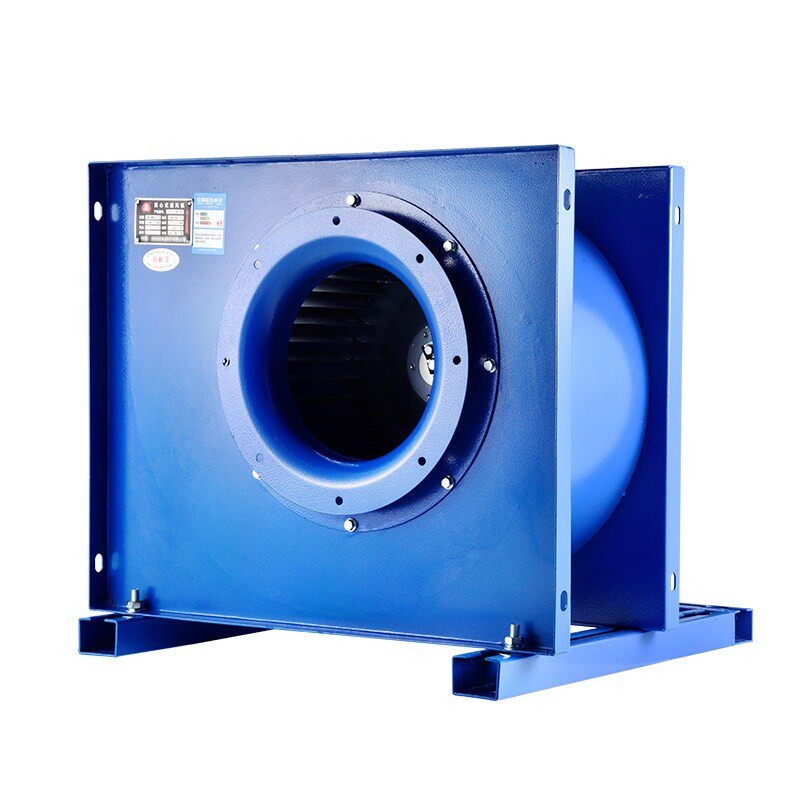
The listed range has 4-72A centrifugal models with a stated 2,500 Pa maximum static pressure. It also has 9-19 and 9-26 high-pressure models with a stated 9,200 Pa maximum. An industrial ventilator fan should not be picked by its top pressure number. That number is a limit, not a duty point. Check the curve for the model you plan to use.
Choose the Right Fan Type
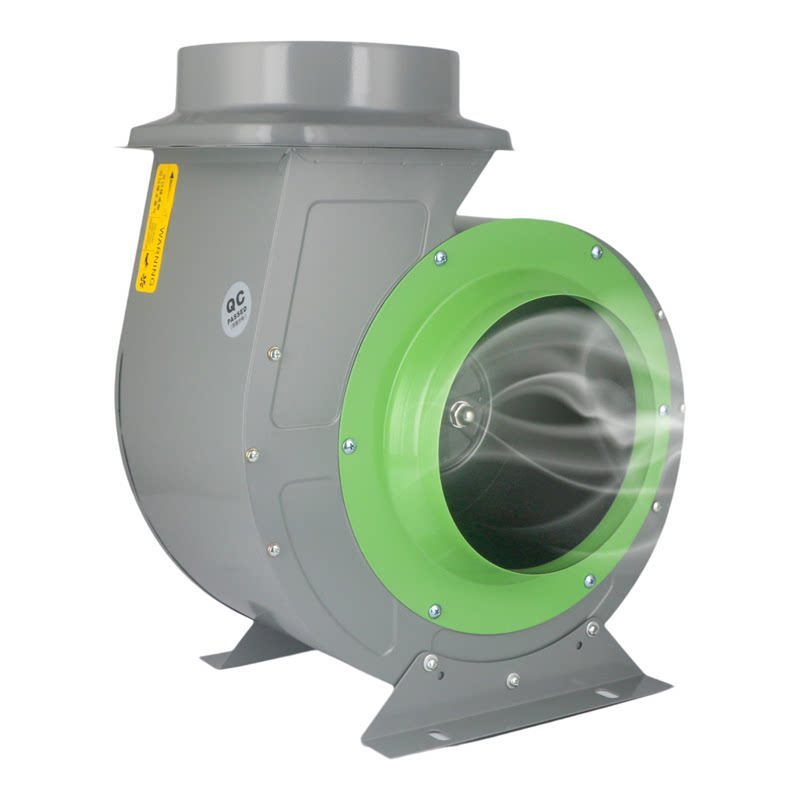
A centrifugal industrial ventilator fan is often used when a duct path has real loss. Long runs, tight bends, filters, and process gear can add that loss. An industrial ventilator fan for a short open path may need a different review than one for a long duct run. The job tells you which path to take.
- Use the 4-72A data as a start for factory air exchange that fits its stated air and pressure limits.
- Look at a high-pressure industrial ventilator fan when the duct plan shows a high pressure need.
- Match the model to its curve. Do not use a top value as the normal run point.
Check the Air and Site
An industrial ventilator fan must also suit the air it moves. This industrial ventilator fan check comes before a final model choice. The 304 stainless 4-72A listing is for chemical uses. The carbon steel 4-72A listing is for factories. The product pages state limits for gas heat, dust, and gas type. The listed 4-72A models state an 80°C maximum gas temperature and a 150 mg/m³ dust limit.
Check peak inlet air, not just the usual value. Check humidity, dust, gas mix, and site heat. An industrial ventilator fan for wet or harsh air may need a different body than one for dry plant air. A special body can add cost. Still, it may be worth the cost when the air needs it. Use the facts from the site to make that call.
Plan the Install
Even a good industrial ventilator fan can have poor results if the install is weak. An industrial ventilator fan needs a clear inlet and outlet path. Check the inlet and outlet path. Check room for service. Check the base, duct supports, and power feed. Think about vibration mounts and flex links. A sharp turn near the inlet can disturb the air path. A weak duct support can put load on the fan.
Share the local voltage and the needed layout before you order. The listed products have model-specific power and build data. An industrial ventilator fan quote is more useful when it has the airflow, pressure, gas type, heat range, voltage, duct plan, and connection size. This also helps with a clear model review.
Compare on the Same Basis
Compare each industrial ventilator fan on the same facts. An industrial ventilator fan review should use the same airflow and pressure data for each model. First set the duty point. Then check fan type, air fit, body material, motor power, mount, and service space. More pressure is not always better. It helps only when the system needs it. A good industrial ventilator fan choice fits the real air path and the stated work limits.

 EN