Map the Air Path First
A ductless exhaust fan works best when air has a short and direct route out of the space. A ductless exhaust fan needs a clear discharge route. Start a ductless exhaust fan review by drawing the room, the opening, the heat source, and the work area. Mark where fresh air can enter. A ductless exhaust fan cannot remove air well if there is no path for replacement air. Put the fan so that air moves away from the work area. Do not place a ductless exhaust fan where it sends the same air back toward people or equipment.
A ductless exhaust fan often has less installation work than a long duct route. That does not mean every direct opening has no resistance. Guards, louvers, screens, filters, and short duct pieces can restrict air. Tell the supplier about each part of the path. A ductless exhaust fan should be discussed for the real site, not only by its open-air rating.
Choose the Fan Type for the Job
An axial ductless exhaust fan moves air in the same direction as the fan shaft. It can be a good option for a wall, panel, or short direct path. The 304 Stainless Steel Axial Fan 200°C for Drying Rooms is one product to assess for a hot drying area. Its product record states a 2,100–39,000 m³/h airflow range, 220V or 380V options, and up to 200°C temperature resistance. Those are product facts. The final fan choice must still fit the site.
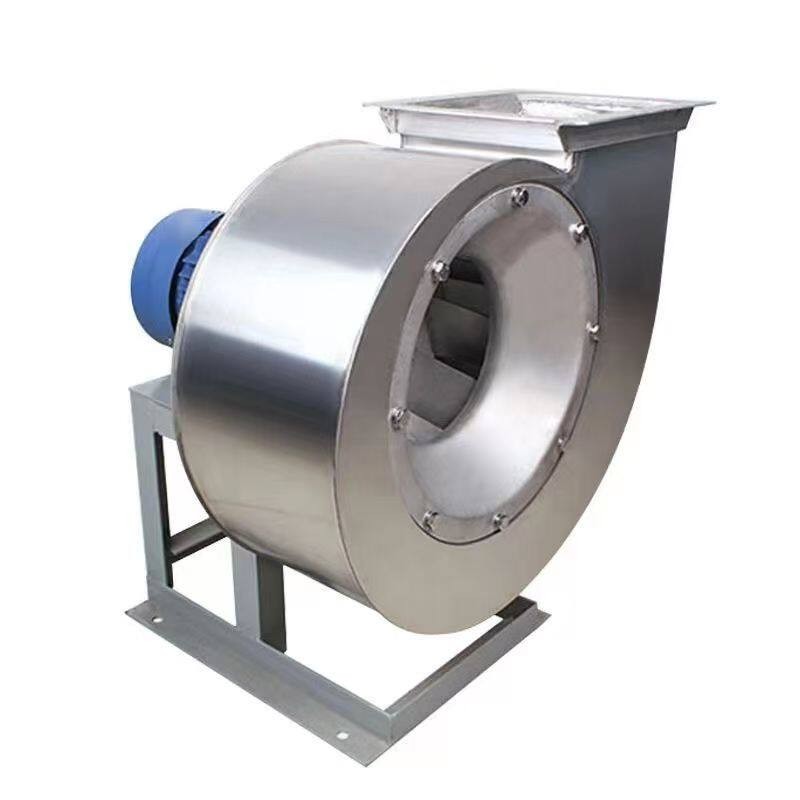
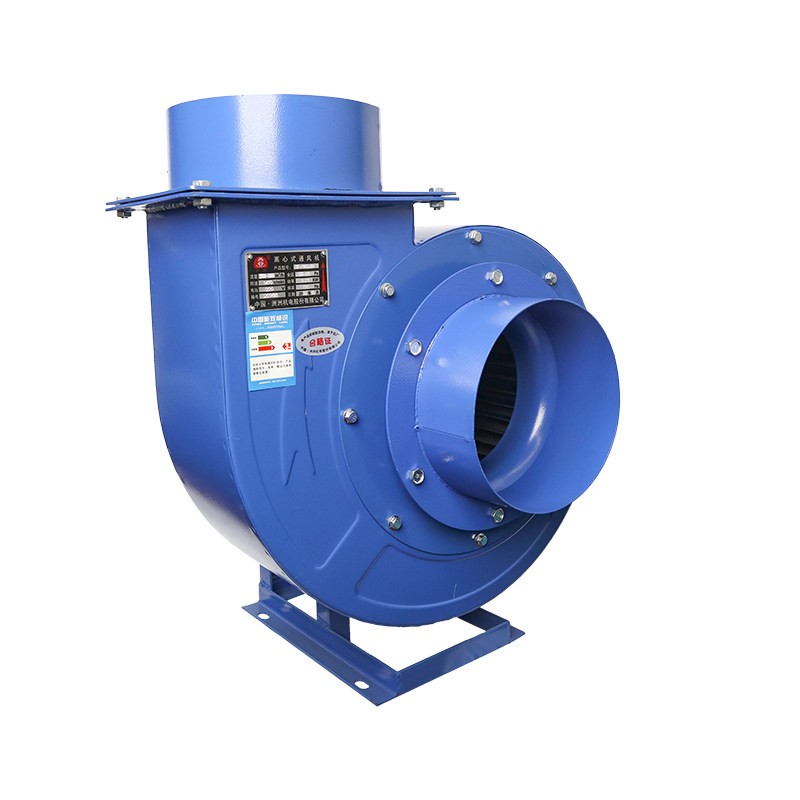
The Aluminum Blade Axial Fan 39,000 m³/h for Tobacco Curing is another axial option. A ductless exhaust fan for a drying job should match the heat, humidity, opening size, and air path. If a ductless exhaust fan layout grows into a long route with bends or filters, ask about a centrifugal fan too. More resistance can change the type of fan that suits the job.
Check the Work Environment
Heat, humidity, dust, oil mist, and process vapor all matter. A ductless exhaust fan near a wet or hot process needs materials that suit that setting. The stainless steel axial product has stated 304 stainless steel construction and a stated high-temperature use. This can make it a useful product to review for the right conditions. A ductless exhaust fan for a basic dry room may need a different balance of features.
- Record normal and peak air temperature at the fan point.
- Note moisture, dust, oil mist, or vapor in the air.
- Confirm voltage, opening size, and mounting surface.
- State if the ductless exhaust fan will supply or remove air.
Fixed or Portable Use
A fixed ductless exhaust fan can suit one known ventilation point. A portable ductless exhaust fan approach can be useful when the work point changes. The Portable Axial Flow Fan 10,000 m³/h for Confined Spaces is a portable product with telescopic air-duct compatibility. It may be useful for mobile or local work. It is not an automatic substitute for a fixed extraction system in every factory. A ductless exhaust fan choice should reflect run time, airborne material, and the discharge point.
Send Clear Inquiry Details
Give the room dimensions, opening size, fan position, task, power supply, and site conditions. Say if guards, screens, or short duct sections are present. Explain if the ductless exhaust fan will run all day or only during a task. This gives the supplier a better basis for a product discussion. It also helps avoid choosing a ductless exhaust fan only because its maximum airflow looks high.

 EN