Outdoor Kitchen Vent Hood Fan Selection Guide

Get a Free Quote

Our representative will contact you soon.
Email
Mobile/WhatsApp
Name
Company Name
Message
0/1000
Outdoor Kitchen Vent Hood Fan Selection Guide

Outdoor Kitchen Vent Hood Fan Selection Guide

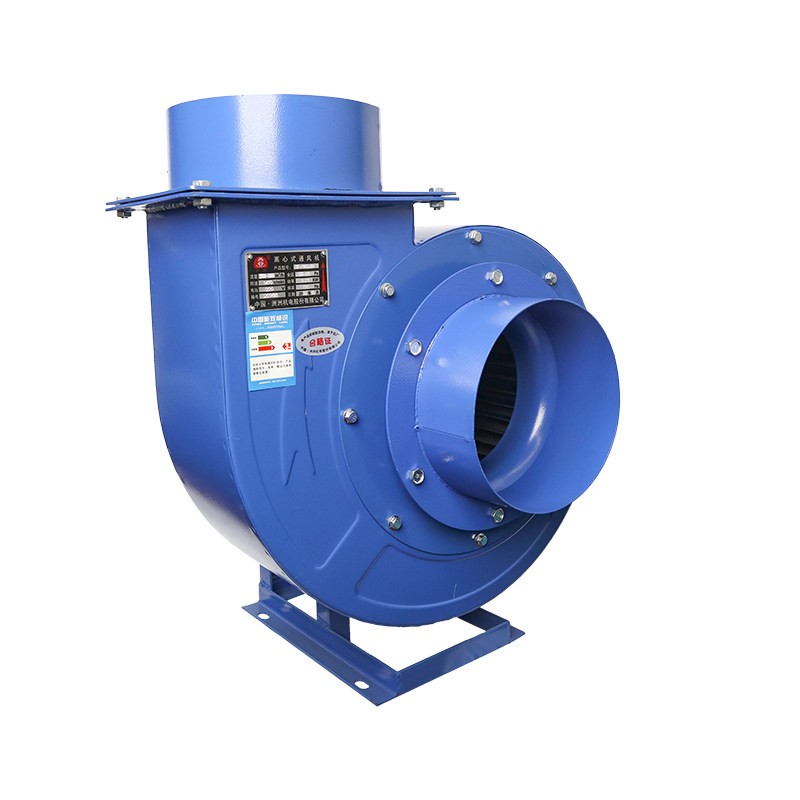
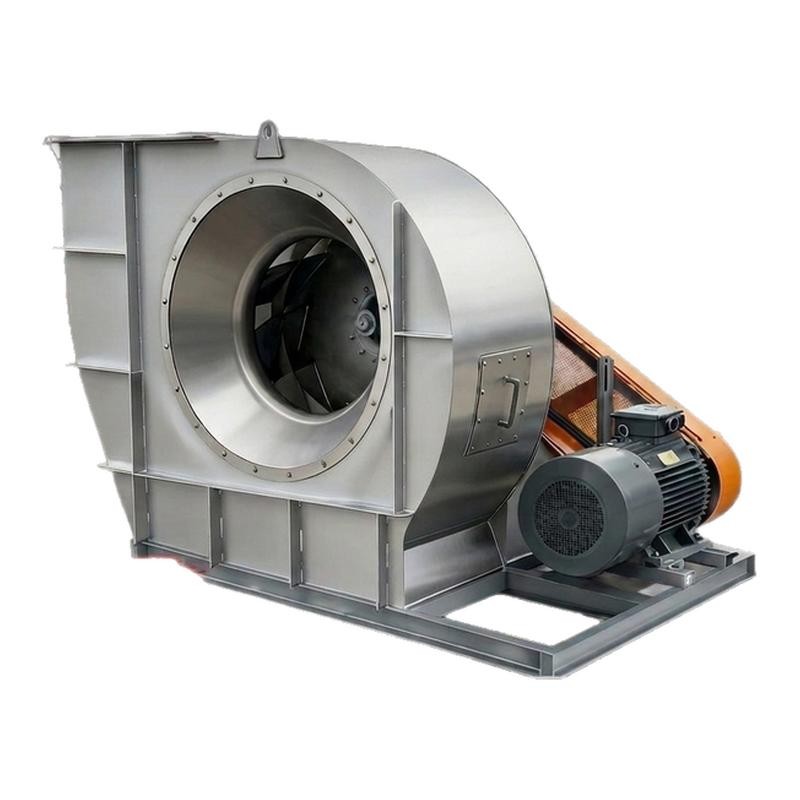
An outdoor kitchen vent hood needs a fan and duct plan that match the cooking equipment, hood size, and discharge route. This outdoor kitchen vent hood guide helps buyers review fan options for a ducted kitchen system. Heat, grease, bends, filters, and the outdoor location all affect the choice. ZICHENG offers centrifugal fans and kitchen exhaust fan products, including the 11-62, CF-11, and cabinet smoke exhaust ranges below. Start with hood dimensions, appliance type, airflow need, duct length, bends, and power supply. These details help a buyer review pressure needs, mounting space, motor protection, and service access. Send the system details to discuss an outdoor kitchen vent hood fan option and request a quote for an outdoor kitchen vent hood project.
Get A Quote

Fan Supply for Kitchen Ventilation Projects

Review real equipment and a supplier that covers more than one fan type for an outdoor kitchen vent hood project.

Direct Fan Manufacturing

Taizhou Zicheng Electromechanical Co., Ltd. designs, develops, and produces fan products rather than acting only as a trading source. That gives project buyers a direct route to discuss application details during product selection.

Complementary Fan Types

The available portfolio includes axial fans, centrifugal fans, kitchen exhaust fans, and vortex blowers. Buyers comparing several ventilation zones can review different fan types with one supplier instead of treating every system section as an unrelated purchase.

Related products

Cabinet Fan for Ducted Hoods

Cabinet Fan for Ducted Hoods

The Cabinet Smoke Exhaust Fan is a listed kitchen-use option with an IP65 motor rating and a stated maximum static pressure of 1,000 Pa. Its cabinet format and direct drive make it worth reviewing for an outdoor kitchen vent hood with ductwork. Check the mounting space, moisture exposure, and service access with the full system plan. It is one outdoor kitchen vent hood option to compare against the duty point.

Define the Hood Job First

An outdoor kitchen vent hood should start with a clear job list. Note the hood size. Note the grill, griddle, fryer, or other cooking tools. Note which tools may run at the same time. This outdoor kitchen vent hood detail helps the team set a sound starting point. The fan is only one part of the system. The hood must catch heat, vapour, and cooking fumes at the source.

Ask the hood maker or project team for the target exhaust rate. Local rules may also affect the design. An outdoor kitchen vent hood can need a different plan when it handles grease-laden air instead of general warm air. Do not use a product page as the final engineering design. Use the page to compare real fan choices, then confirm the final plan with the responsible project engineer or hood specialist.

Map the Duct Route

Each outdoor kitchen vent hood has an air path. Air moves from the hood into a transition, then into duct sections, bends, filters, dampers, and a discharge point. Each part can add resistance. A long run or many sharp bends can change the fan duty point. This outdoor kitchen vent hood review should include the duct size, run length, bend count, and any part placed in the duct.

Do not select an outdoor kitchen vent hood fan from a free-air airflow figure alone. Ask for the fan curve at the required airflow and static pressure. A centrifugal fan may be a useful option to review when the duct route has more resistance. The listed CF-11 and 11-62 models state maximum figures of up to 20,000 m³/h and 1,000 Pa. Those figures are product limits. They do not state what every installed system will deliver.

Check the Outdoor Location

An outdoor kitchen vent hood also needs a safe place for the fan and duct end. Check the support frame, the power route, the service space, and the discharge location. Check how the installation will avoid water entry. Check how a technician can reach the unit. An outdoor kitchen vent hood installation should follow the equipment instructions and the project design.

Plan access for cleaning. Grease and kitchen residue can build up in hood and duct parts. The outdoor location does not remove the need for service. Keep inspection points easy to reach. Use the site conditions and equipment documents to set the service plan. Do not copy a service plan from a different kitchen without checking the new setup.

Compare Real Fan Features

Once the duty point is known, compare published product details. The Cabinet Smoke Exhaust Fan is listed for kitchen use. Its record states an IP65 motor rating, high-temperature coils and ball bearings, direct transmission, and 1,000 Pa maximum static pressure. This outdoor kitchen vent hood option may suit a project that needs a cabinet form, but the final mounting plan must match the product instructions.

The CF-11 and 11-62 are multi-wing centrifugal options for kitchen exhaust. Their listed power ranges can support a model discussion after the airflow and pressure needs are known. An outdoor kitchen vent hood is not automatically better with the highest motor power. A buyer should compare the calculated duty point, voltage, frequency, connection size, and installation position. Sound should be reviewed as part of the full system, including the duct and nearby structure.

  • Use airflow and static pressure together when reviewing an outdoor kitchen vent hood fan.
  • Confirm the electrical supply before ordering an outdoor kitchen vent hood unit.
  • Keep fan data, drawings, and site needs in one project record.
  • Ask about service access before fixing the outdoor kitchen vent hood layout.

Finish the Outdoor Kitchen Vent Hood Review

Before an order, review the outdoor kitchen vent hood specification with the full duty point. Check the outdoor kitchen vent hood drawing against the fan curve and the site layout. A final outdoor kitchen vent hood review should include installation access and discharge details.

Send Useful Project Details

A clear inquiry helps the review move faster. Send hood drawings, the cooking equipment list, the target airflow if known, the duct sketch, and the electrical details. Add photos or a layout when possible. State the destination market and any limits on mounting space. These details help the supplier discuss an outdoor kitchen vent hood product choice rather than guess from a short category request.

If the pressure calculation is not ready, say so. A good outdoor kitchen vent hood inquiry can list the missing items. This makes the next technical review more useful. It also helps buyers compare centrifugal and cabinet-style equipment on the facts of the planned system.

Outdoor Kitchen Vent Hood FAQ

Questions to clarify before selecting ducted kitchen exhaust equipment.

How do I size an outdoor kitchen vent hood fan?

Start with the hood size, cooking equipment, and operating plan. Then map the duct route, transitions, bends, filters, dampers, and discharge point. An outdoor kitchen vent hood fan must meet the required airflow at the calculated static pressure. A free-air airflow figure is not enough for a ducted system. Ask the hood supplier or project engineer to confirm the design inputs. This gives the buyer a better basis for an outdoor kitchen vent hood fan review. This outdoor kitchen vent hood step should be part of the early project review.
A centrifugal fan is often worth reviewing when an outdoor kitchen vent hood has duct length, bends, filters, or other parts that add resistance. The best fit depends on the actual duty point. It does not depend only on whether the kitchen is outdoors. The CF-11 and 11-62 are listed centrifugal options for kitchen exhaust. Review their published figures against the installation calculation. Ask for performance information at the required outdoor kitchen vent hood operating point. This outdoor kitchen vent hood check helps avoid a selection based on a category label alone.
Check the support structure, power supply, discharge location, and safe service access. Check how the outdoor kitchen vent hood installation will limit water entry and allow cleaning. Verify that the selected fan, enclosure plan, and duct end suit the project location and local requirements. Outdoor placement does not remove normal hood and duct service work. Use the drawings and product instructions for the final installation method. The outdoor kitchen vent hood layout should also leave space for inspection. Review the outdoor kitchen vent hood plan before the mounting work begins.
Send the hood size, cooking equipment list, airflow target or design notes, duct dimensions, run length, bend count, and filter details. Include available voltage, frequency, the installation layout, and the destination market. These facts let a supplier review real product choices. They are more useful than an outdoor kitchen vent hood label by itself. If the pressure calculation is not ready, state that clearly. A complete outdoor kitchen vent hood inquiry supports a more useful technical discussion. The outdoor kitchen vent hood details should be checked before a final quote.

Related article

How to Choose a Reliable Centrifugal Fan Manufacturer in China (2026 Buyer's Guide)

14

Sep

How to Choose a Reliable Centrifugal Fan Manufacturer in China (2026 Buyer's Guide)

A practical 2026 buyer's guide to choosing a trustworthy centrifugal fan manufacturer: certifications, quality control, SS304 materials, OEM support, MOQ and delivery.
View More
How to Choose the Right Aquaculture Aerator for Your Fish Farm (2026 Buying Guide)

14

Sep

How to Choose the Right Aquaculture Aerator for Your Fish Farm (2026 Buying Guide)

Paddle wheel, impeller or vortex? Learn how to size a pond aerator, cut energy costs and find a reliable aquaculture aerator manufacturer for your farm.
View More
Industrial Ventilation Fan Selection Guide: Axial vs Centrifugal vs Mixed Flow

14

Sep

Industrial Ventilation Fan Selection Guide: Axial vs Centrifugal vs Mixed Flow

Compare axial, centrifugal and mixed flow industrial ventilation fans by pressure, airflow and noise, and learn how to buy direct from a factory.
View More

Get a Free Quote

Our representative will contact you soon.
Email
Mobile/WhatsApp
Name
Company Name
Message
0/1000