Air Vents for Sheds | Fan Selection Guide

Get a Free Quote

Our representative will contact you soon.
Email
Mobile/WhatsApp
Name
Company Name
Message
0/1000
Air Vents for Sheds: Practical Fan Selection Guide

Air Vents for Sheds: Practical Fan Selection Guide

Air vents for sheds need a clear route for fresh air to enter and warm, damp, or stale air to leave. This guide helps builders and buyers plan air vents for sheds in storage buildings, work sheds, and farm outbuildings. Start with shed size, roof shape, heat sources, and use of the space. Then check if the fan has an open wall path or must work through screens, louvers, ducts, or bends. ZICHENG makes axial and centrifugal fan types and can discuss airflow, pressure, material, and voltage from project details. The products below are industrial axial-fan options, not ready-made air vents for sheds. Send the layout and operating details for a configuration discussion and quote.
Get A Quote

Manufacturer Context for Shed Ventilation

Buyers of air vents for sheds may need more than one replacement fan. The available company details support two points for a project review.

Direct Fan Manufacturing

Taizhou Zicheng Electromechanical Co., Ltd. is identified as a manufacturer, not a trading company. It has direct factory production capability for offered fan products. This gives buyers of air vents for sheds a clear product source.

Broad Fan Product Range

The documented range includes axial fans, handheld axial fans, centrifugal fans, and smoke exhaust fans. This can help a multi-zone project compare air vents for sheds without treating one fan type as the answer to every location.

Related products

Match Pressure to the Air Path

Match Pressure to the Air Path

Rated airflow alone does not size air vents for sheds. A fan can move air at an open wall yet move less air when screens, louvers, ducts, bends, or filters add resistance. List the inlet, outlet, and restrictions before comparing fan options. For restrictive air vents for sheds, ask the supplier to review the operating point, not only free-air capacity.

Map the Air Route First

Air vents for sheds work best when air has a simple route through the building. Fresh air needs an inlet. Used air needs an outlet. If the openings are close, air may move near one wall and leave the far end still. Put the inlet and outlet apart when the layout allows it. This helps air cross the space. Before buying air vents for sheds, draw the shed footprint. Mark doors, windows, wall openings, roof vents, shelves, and the planned fan spot.

State why the shed needs ventilation. The goal may be fresh air, less roof heat, lower moisture, or odor removal. A tool shed, work shed, and agricultural store room do not have the same needs. Clear goals make it easier to compare air vents for sheds. They also help distinguish a direct wall fan from a system that needs ducts.

Measure the Shed Conditions

Give the supplier the inside length, width, and average height. These values show the air volume inside the shed. Floor area alone does not show the full space. Note the roof slope and any loft that can trap warm air. For air vents for sheds, also state the climate, roof sun exposure, insulation, and equipment in the building. A charger, motor, or drying task can add heat or moisture.

  • Measure the shed and mark the planned inlet and exhaust points.
  • State if screens, louvers, shutters, or grilles are part of the air vents for sheds.
  • List the power supply at the fan location and any mounting limits.
  • Describe dust, water, heat, or corrosive air that may affect material choice.

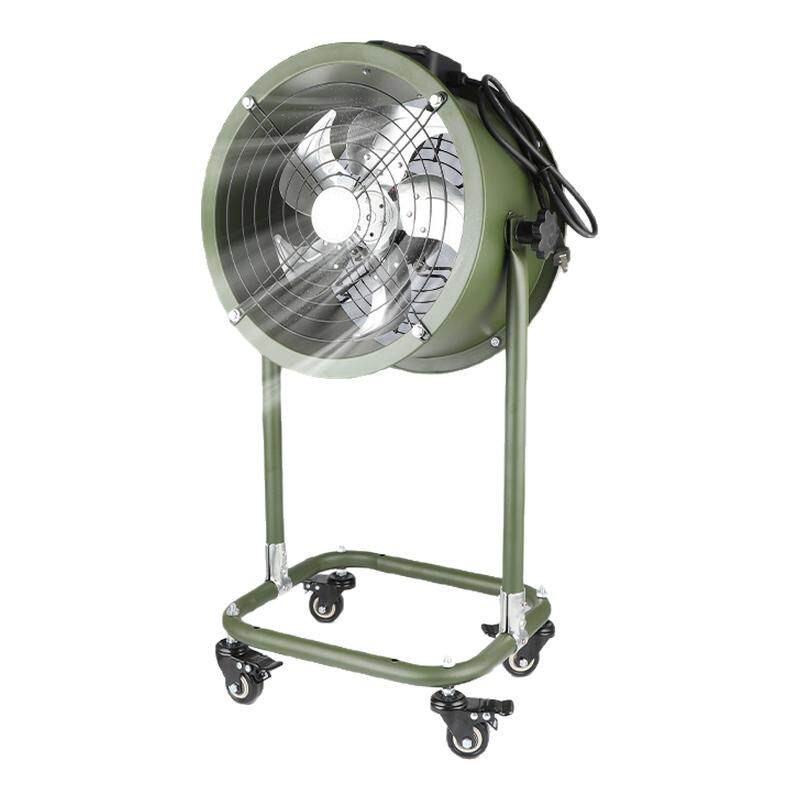
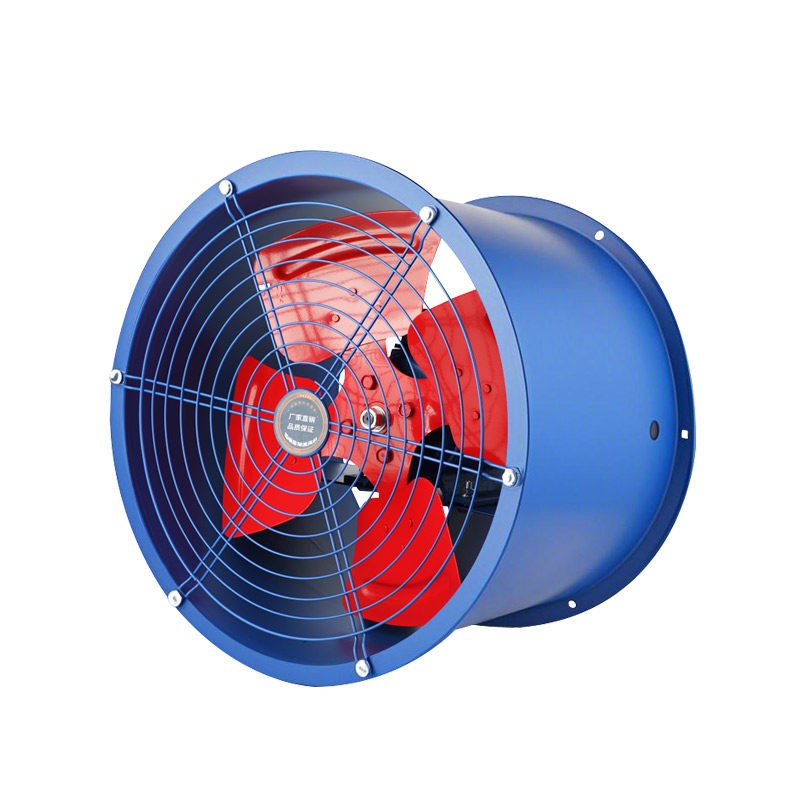
Do not use a product title as a full design. The products on this page are the closest published axial-fan records. Their listed uses include drying rooms, tobacco curing, and confined spaces. They can start a discussion about air vents for sheds. They do not prove that one model fits every shed.

Check Fan Type and Resistance

Axial fans may suit air vents for sheds when air moves through a direct wall or roof path with low resistance. The choice changes when the path has a long duct, tight bend, filter, or restrictive louver. These parts can slow the air. A low result in service often comes from a mismatch between fan pressure and path resistance. It is not always a product fault.

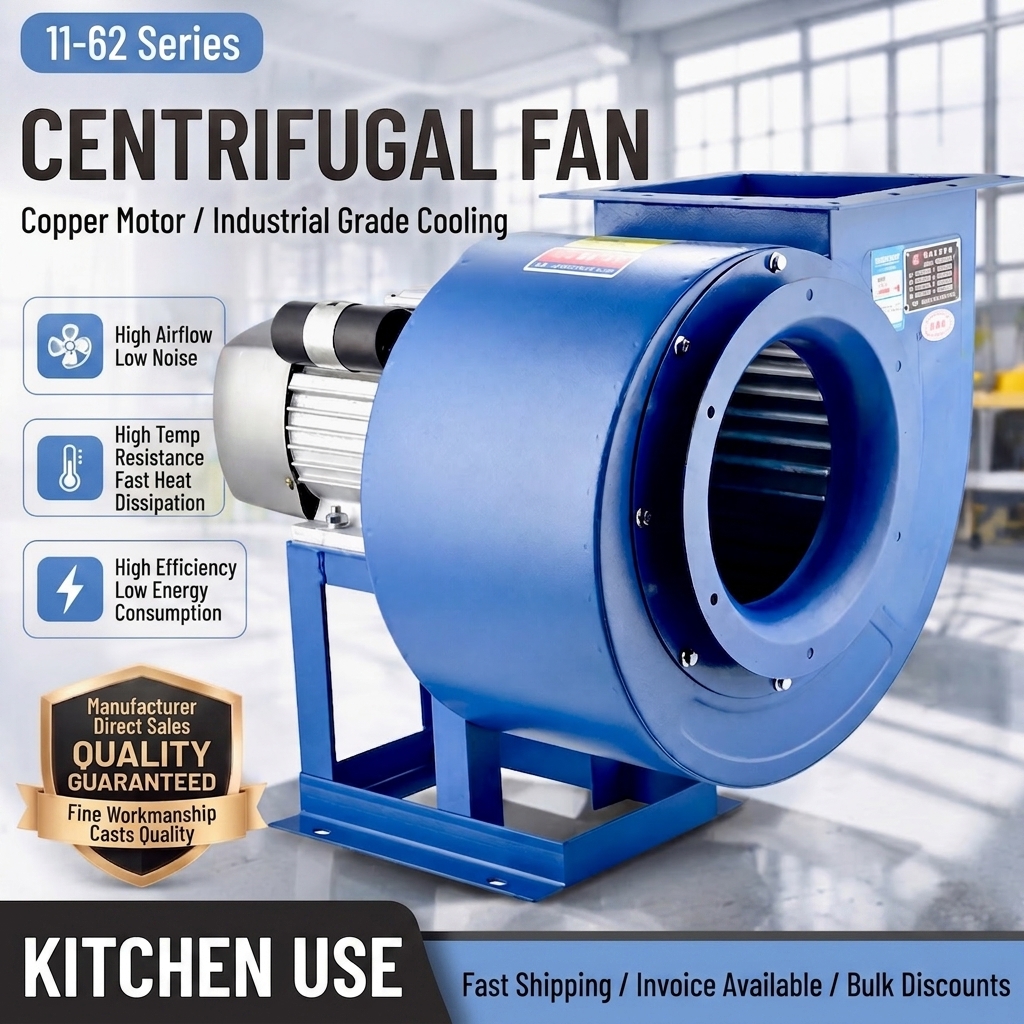
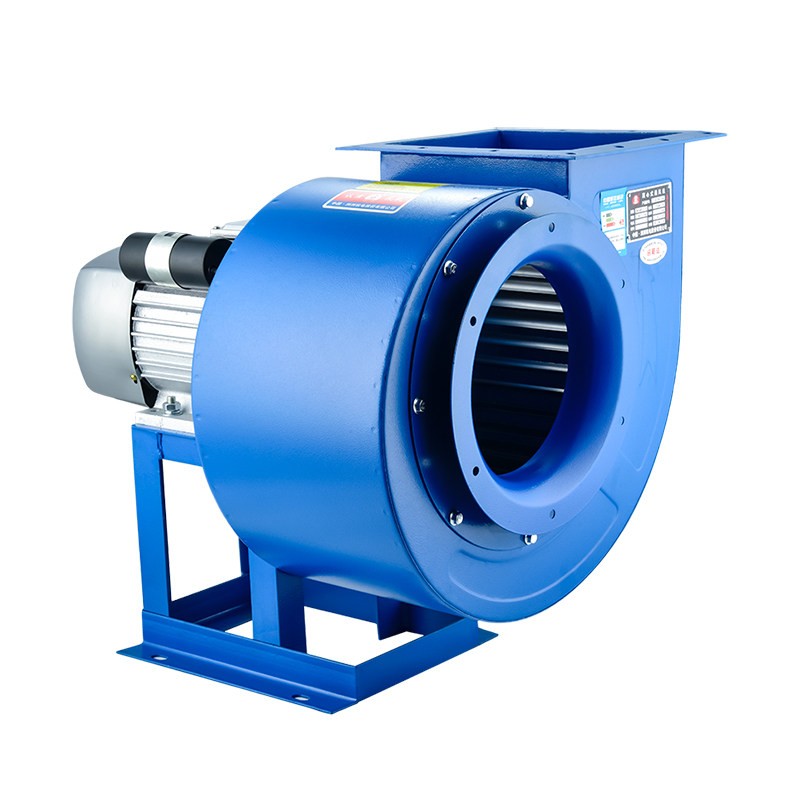
For direct air vents for sheds, share the opening size and fan position. For a ducted layout, give the duct diameter, length, bends, branches, grilles, and filters. This gives a supplier facts needed to discuss airflow and pressure. The published range also includes centrifugal fan types. Compare types when the planned path is restrictive. The right choice depends on the site, not on a claim that one type is always best.

Plan Openings and Weather Protection

Air vents for sheds need both an intake path and an exhaust path. An exhaust fan cannot pull air well if new air cannot enter. A large inlet without a clear outlet may not remove warm air near the roof. Think about the route from one opening to the other. Then consider rain, wind, insects, debris, and security. Screens and louvers solve site problems, but they also add resistance. Include them when you ask about air vents for sheds.

For a wall fan, confirm the wall type, cutout size, guard, weather cover, power point, and cleaning access. A high wall or roof outlet may help remove warm air. It may also be harder to wire and service. Give the hottest, wettest, or dustiest expected condition. Do not send only average weather data. Air vents for sheds should be reviewed against real site conditions.

Send a Simple Project Brief

A short brief makes a fan review faster. Include shed use, dimensions, layout, inlet and outlet points, power supply, temperature, humidity, dust, and noise needs. Add duct details if they apply. If old air vents for sheds are not working, explain where air is weak or where heat stays. Photos or a sketch can help show the route.

ZICHENG can review project details for axial and centrifugal fan options. The available product data confirms axial-fan records with different materials, airflow ranges, and use contexts. Final selection for air vents for sheds should follow a review of the actual layout. This avoids the assumption that a free-air rating will match installed airflow in every shed.

Air Vents for Sheds FAQ

Common questions about planning air vents for sheds and axial-fan options.

How do I size air vents for a shed?

For air vents for sheds, start with inside length, width, and average height. State the goal, such as fresh air, heat removal, or moisture control. Mark each intake and exhaust opening. Include louvers, screens, ducts, and doors because they affect the air path. A supplier can use these details to discuss an airflow and pressure range. Floor area alone is not enough for a final fan choice. Include the hottest expected condition and any equipment that adds heat or moisture.
Most air vents for sheds need a practical route for replacement air. An exhaust fan can be limited if there is no inlet. An inlet with no outlet may not clear warm or stale air. Place the two openings so air moves through the shed instead of circling near one wall. The best positions depend on the roof, partitions, stored materials, and system goal. Mention louvers and screens when you discuss air vents for sheds and the final fan choice.
An axial fan can be a candidate for air vents for sheds when the wall path has low resistance. Confirm the opening, mount, guard, weather cover, power supply, and service access. The published axial-fan products on this page are closest catalog options. Their listed uses are drying rooms, tobacco curing, and confined spaces. They are not a preconfigured shed package. Share the real layout before treating one record as a final recommendation for air vents for sheds.
For air vents for sheds, send shed dimensions, use, opening locations, photos or a sketch, available voltage, and inside conditions. Note ducts, bends, filters, louvers, screens, dust, moisture, and heat sources. If an existing system has a problem, explain where airflow is weak or where heat collects. This lets the supplier discuss the real air path and resistance instead of selecting from a product title or a free-air rating alone for air vents for sheds.

Related article

How to eliminate fan blower vibration during ventilation duct installation work?

24

Oct

How to eliminate fan blower vibration during ventilation duct installation work?

Identifying Root Causes of Fan Blower VibrationMechanical Imbalance and Bearing Degradation in Fan BlowersMechanical imbalance—often caused by dirt, ice, moisture, or blade damage—alters mass distribution in the rotating assembly, generating a domina...
View More
What certifications should a qualified centrifugal blower manufacturer provide?

28

Oct

What certifications should a qualified centrifugal blower manufacturer provide?

ISO 9001: The Foundational Quality Assurance for Every Centrifugal Blower Manufacturer How ISO 9001 Certification Ensures Consistent Design, Manufacturing, and After-Sales Support ISO 9001:2015 does not certify product performance—it validate...
View More
How to Choose a Reliable Centrifugal Fan Manufacturer in China (2026 Buyer's Guide)

14

Sep

How to Choose a Reliable Centrifugal Fan Manufacturer in China (2026 Buyer's Guide)

A practical 2026 buyer's guide to choosing a trustworthy centrifugal fan manufacturer: certifications, quality control, SS304 materials, OEM support, MOQ and delivery.
View More
Industrial Ventilation Fan Selection Guide: Axial vs Centrifugal vs Mixed Flow

14

Sep

Industrial Ventilation Fan Selection Guide: Axial vs Centrifugal vs Mixed Flow

Compare axial, centrifugal and mixed flow industrial ventilation fans by pressure, airflow and noise, and learn how to buy direct from a factory.
View More

Get a Free Quote

Our representative will contact you soon.
Email
Mobile/WhatsApp
Name
Company Name
Message
0/1000