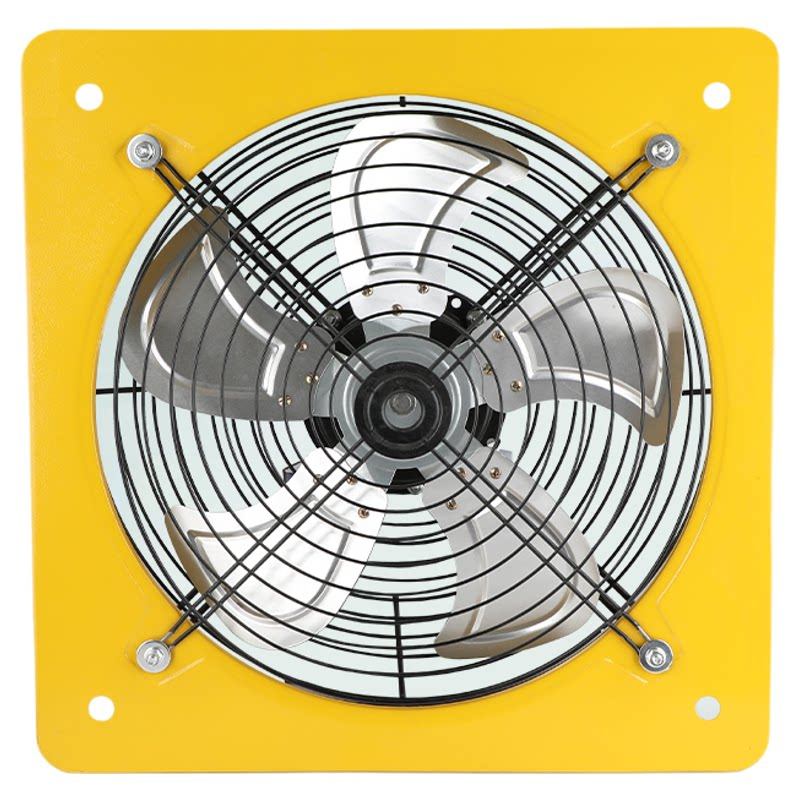
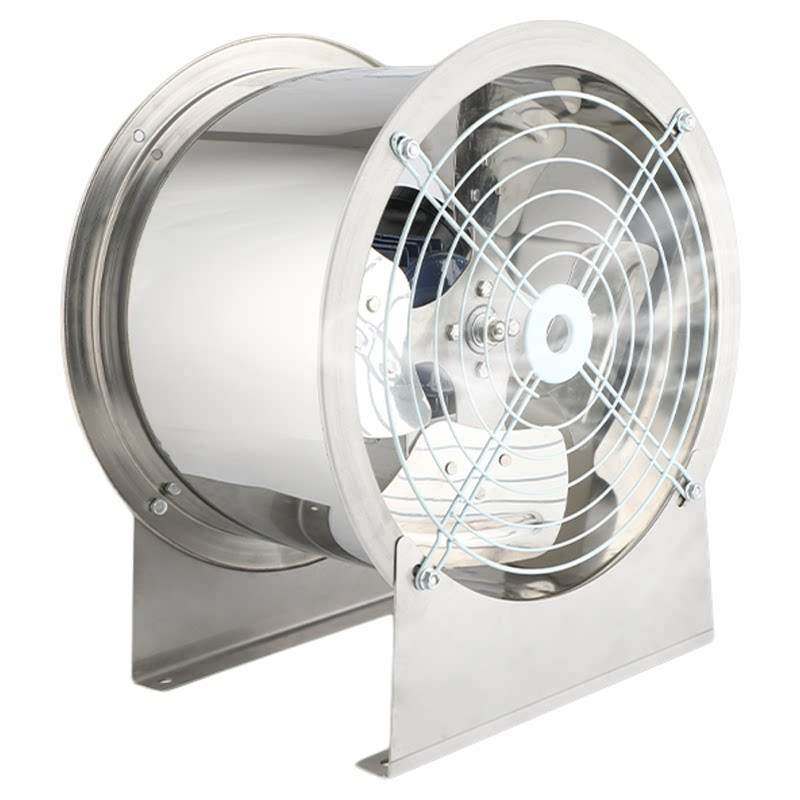
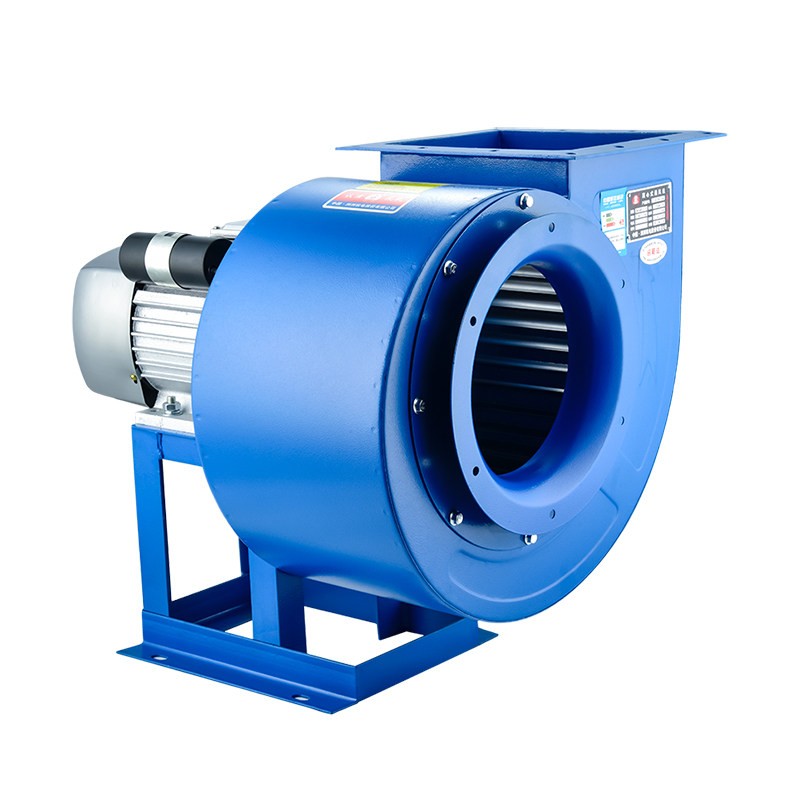
Define the Turbo Ventilator Duty Point
Aventilator turbo search term does not define a full fan duty. It tells a supplier that the buyer needs air movement. The key facts are airflow and static pressure. Airflow is the air volume that must reach the work area. Static pressure is the force needed to move that air through the system. A turbo ventilator can be a poor fit if the pressure need is not known.
Ask where the turbo ventilator will sit. Is it at the end of a long duct? Does it serve a hood, filter, dryer, or process machine? Is it used for supply air or exhaust? These simple questions help define the job. They also help show whether a centrifugal fan is a close option for the turbo ventilator request.
Account for the Duct System
Every duct item adds resistance. Long straight runs add some resistance. Bends, small ducts, dampers, filters, and abrupt changes add more. A turbo ventilator that works well in open air can move less air after it is linked to a real duct system. That is why free-air flow is not enough for a turbo ventilator selection.
- Give the duct size, length, and number of bends.
- List filters, hoods, branches, dampers, and process equipment.
- State if the system will change after the fan is installed.
- Share a simple duct sketch when it is available.
Habe istas facta ad aestimandum pressionem systematis ad fluxum aeris requisitum. Deinde compara illud punctum officii cum curva pro alternativa turbo ventilatoris electa. Haec recensio turbo ventilatoris debet uti puncto normali usus, non solum figura culminis in catalogo.
Compara Intervalles Pressionis Publicatas
Producta 4-72A hic electa indicant pressionem staticam maximam 2 500 Pa. Unum utitur ferro carbonico. Alterum utitur accipitro inox 304. Registra electa 9-19 et 9-26 indicant pressionem maximam usque ad 9 200 Pa. Haec intervalla adiuvant ad definendum discussionem de turbo ventilatoribus. Non substituunt autem recensionem curvarum.
Plus pressio non semper melior est. Optio turbo ventilatoris altioris pressionis fortasse non idonea est pro ductu brevi et paucum resistenti. Potest addere pretium aut transferre punctum officii a loco optimo in curva. Elige productum turbo ventilatoris postquam pressio et fluxus aeris ambo cogniti sunt.
Verificare le condizioni dell'aria e del sito
Describe the air stream before selecting a turbo ventilator model. The published 4-72A records specify limits for gas temperature and for dust or hard particles. They also define permissible properties of the medium. The stainless 4-72A record uses a housing made of 304 stainless steel. The carbon-steel record applies to air and gases that are non-self-igniting and non-corrosive to steel.
The 9-19 and 9-26 records likewise define limits for the medium, temperature, and particulates. Compare the actual inlet conditions against the applicable record. Do not assume that a turbo ventilator intended for general air exchange is suitable for hot, humid, corrosive, or dust-laden processes. Raise any such condition during the technical review.
Prepare a Useful Request
Una utili richiesta de turbo ventilator specificat le fluxu de aere targhet, le pression static, le volt, le conditiones del aere, le temperaturá de intrada, e le loco de installation. Adder le material desiderat, le dimensiones del connexion de ductu, e le spatio disponibil pro le montation. Pro un reimplacament, adder le modello del ventilator vetust e le problema actual. ZICHENG pote usar iste dettaglios pro discuter le configuration de turbo ventilator plus proxim disponibil. Iste richiesta de turbo ventilator da al equipos de ingegneria e de acquisition le mesme puncto de initio. Si nullo del articulos listatos es un match exacte, le differentia pote esser identificat ante que un decision de acquisition es prendet.

 EN