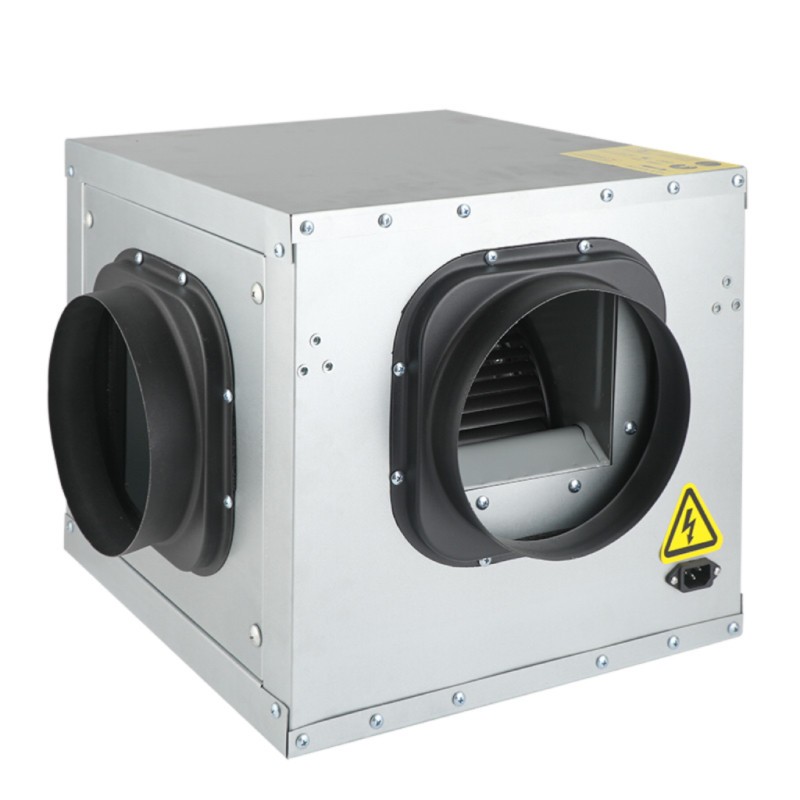
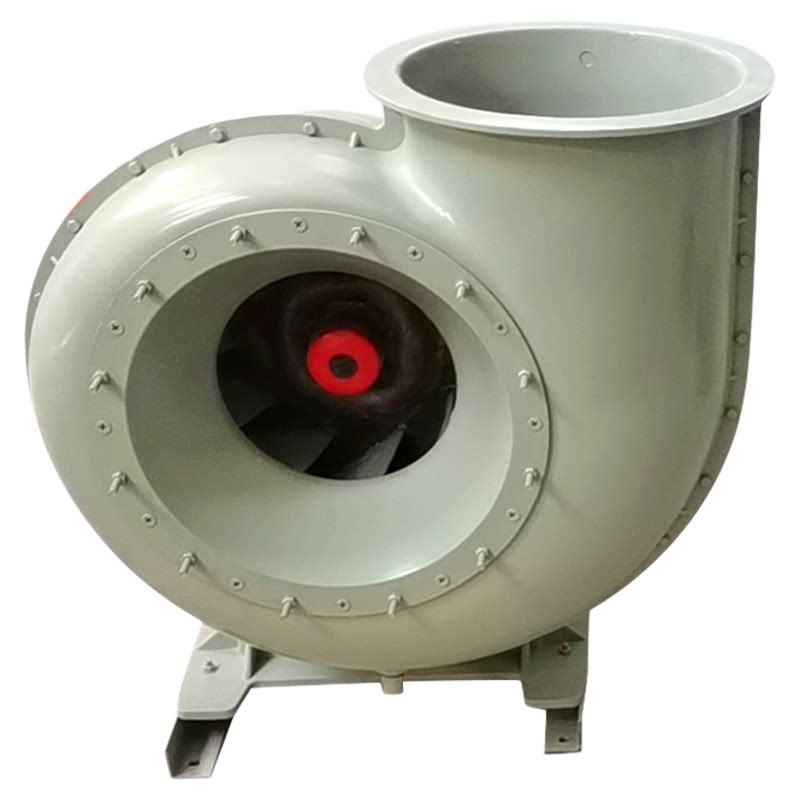
Check the Air Path First
When a buyer asks for a 36 exhaust fan, start with the path that air must take. Ask where air enters, where it leaves, and what sits between those points. A wall unit with a clear discharge path has needs that differ from a unit connected to a long duct, hood, filter, bend, or louver. A 36 exhaust fan should match the real air path, not only the opening size. This check is essential for a 36 exhaust fan selection.
For a direct wall opening or a short run, an axial design can be a useful point of review. For a long run with bends or filters, the buyer should share the duct details. A 36 exhaust fan may need a different design when the system has more resistance. Ask about this before approving a 36 exhaust fan model. The final choice depends on the installation, not the name of the fan alone.
Use the Installed Duty Point
A stated airflow value helps compare models. It does not show the airflow that a 36 exhaust fan will deliver after it is installed. Ducts, guards, filters, and turns can change the working point. For a 36 exhaust fan request, provide the target airflow and any known pressure requirement. This helps size the 36 exhaust fan for the planned system. If those values are not known, room size, heat source, air-change goal, and duct layout are useful starting facts.
- Measure room length, width, and height. Note where heat or dust collects.
- Record the wall opening, guard, shutter, hood, or duct connection for the 36 exhaust fan.
- List duct size, total run, bends, filters, and other items that add resistance.
- State whether the 36 exhaust fan will bring air in, remove air, or work with another fan.
Review the Working Environment
Air and ambient conditions affect material and motor choices. A 36 exhaust fan in a drying room can need a different build from one used for short-term ventilation in a confined space. The selected stainless steel axial fan is listed for drying rooms. Its product record states 304 stainless steel construction and temperature resistance up to 200°C. These facts make it a product to review for the stated conditions. They do not make it the right 36 exhaust fan for every project.
The portable axial flow fan is listed for confined spaces. Its product record states airflow up to 10,000 m³/h. It can connect with telescopic air ducts. A portable unit does not replace every permanent 36 exhaust fan installation. It can be relevant when the work point moves or fixed ductwork is not practical. A permanent 36 exhaust fan still needs checks for mounting, service access, guard layout, and power.
Confirm Mounting and Power
Before ordering a 36 exhaust fan, check the structure around the opening. The frame needs to support the unit. It also needs room for a guard, shutter, wiring, and safe service. Confirm the power supply early. The stainless steel axial fan record lists 220V and 380V options. Final voltage and configuration still need confirmation for the chosen model. Do not assume that a 36 exhaust fan size defines the mounting pattern or power details.
Plan for service access. A 36 exhaust fan behind a fixed panel can be harder to inspect than one with clear access to the motor and guard. If the area is dusty or wet, include routine cleaning. If the unit handles process air, describe that air to the supplier. This helps them review the 36 exhaust fan request against the product record and installation conditions. It also keeps a 36 exhaust fan quote tied to actual project facts.
Send Clear Project Facts
A useful 36 exhaust fan quotation request includes the application, a photo or drawing, wall or duct dimensions, target airflow, power supply, ambient conditions, and quantity. State whether the buyer needs a permanent unit, a portable unit, or a comparison. These facts help the supplier evaluate a 36 exhaust fan duty point instead of giving a size-only answer. Taizhou Zicheng Electromechanical Co., Ltd. states that it makes axial fans, centrifugal fans, kitchen exhaust fans, and vortex blowers. Send the project facts for model discussion and a quotation.

 EN