Set the Wholehouse Fan Goal
Start with the job a wholehouse fan must do. It may move air through a building, help clear heat, or support general air change. A wholehouse fan need is not always the same from one site to the next. Write down the problem first. Then list the rooms or zones that need air movement. This keeps the choice tied to the site rather than a product name alone.
Map where air enters and where it leaves. A wholehouse fan needs a clear route. Closed doors, small openings, or poor outlet space can limit the result. Note walls, ceiling height, and room links. Do not use floor size as the only input. A wholehouse fan plan should also show who uses each zone and when.
Measure the Space and Air Path
Measure length, width, and usable height for each zone. Add the hours of use and the time of year. A wholehouse fan for a short daily run may need a different plan from one used for long periods. Note heat, moisture, dust, or process equipment. These details help show the real ventilation need.
- Record each separate room or zone that the wholehouse fan must serve.
- List doors, openings, and roof or wall exits that affect the air route.
- Note the place where fresh air enters the building.
- Check that discharged air will not return to an occupied opening.
Match the Fan Type to the Route
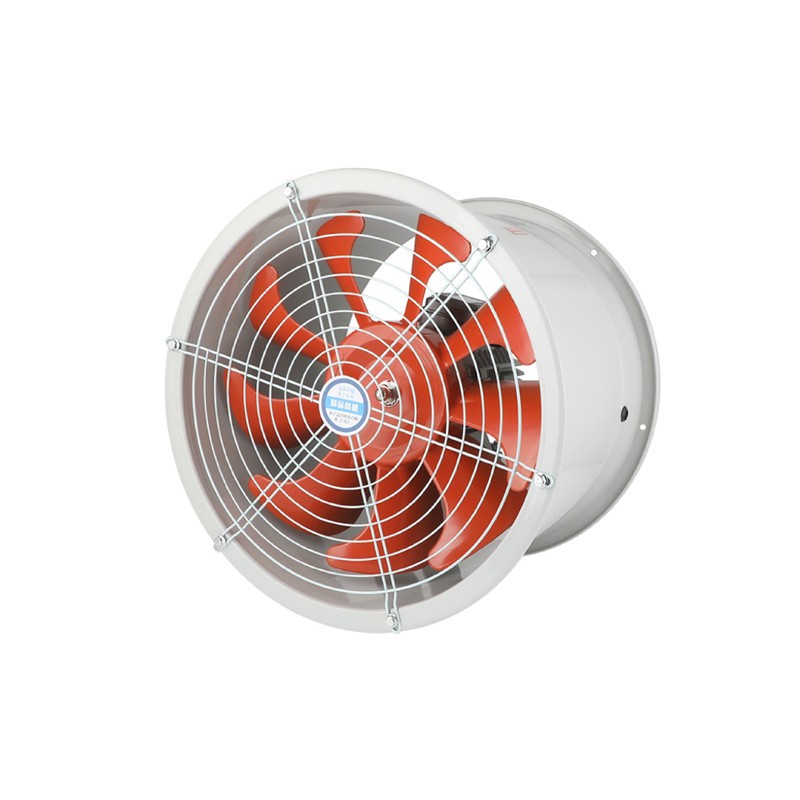
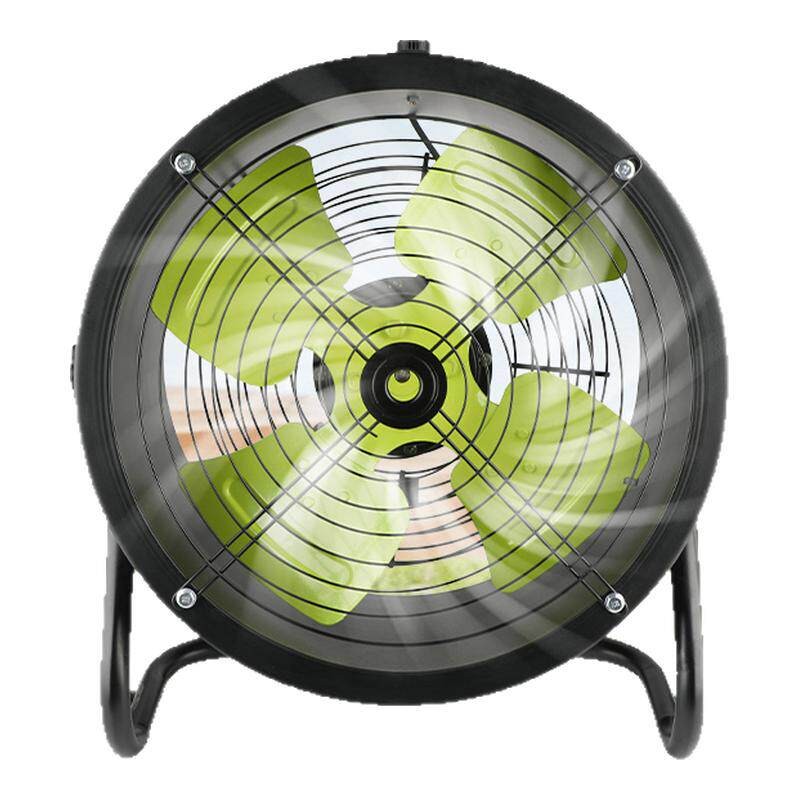
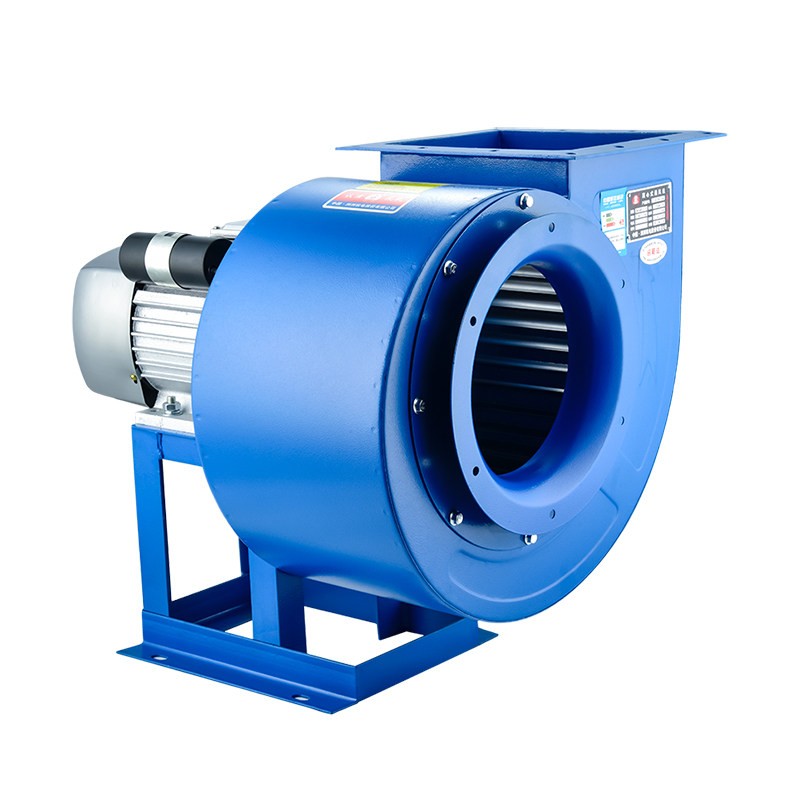
An axial fan may suit a direct and open air path. A centrifugal fan may be worth reviewing when the route has more resistance. The wholehouse fan choice depends on the site duty point. It does not depend only on a category label. ZICHENG has axial and centrifugal fan types. This gives buyers a way to discuss the required air path before they settle on a model.
Tres productus enumerati sunt proximi publicati articuli ventiliatoris axialis. Usus eorum declarati sunt pro areis siccandis, curandis tabaci, et operibus portabilibus in spatiis clausis. Non venduntur hic ut kit ventilatoris domi totius domus. Utare eos ut referentias productorum. Confirmare finalem aptationem postquam facta loci nota sunt.
Inspicere Ductus et Alios Limites
Ductus, flexus, obturatrices, gratiae, lamellas, et filtrantes possunt aerem retardare. Ventilator domi totius domus minus aeris potest adferre quam eius ratio aperta cum istae partes in itinere sunt. Hoc saepe est quaestio congruentiae systematis, non vitium producti. Communicare magnitudinem ductus, longitudinem, flexus, et partes additas. Sic discussio delectionis potest se concentrare in vero itinere aeris.
Pro itinere directo, ventilator axialus fortasse utilis est. Pro itinere magis restricto, alia characteristica pressionis forte opus est. Non supponere quod ventilator domi totius domus maior problemata itineris aeris solvat. Itiner planum primum inspiciendum est. Dispositio ventilatoris domi totius domus debet omnes partes includere quae itiner aeris angustant vel flectunt.
Recense condicionem loci
Power supply, heat, moisture, dust, and mounting space all matter. The published stainless-steel axial fan is for drying-room conditions. Its stated airflow range is 2,100 to 39,000 m³/h. That fact may help with an industrial review. It is not a wholehouse fan sizing rule. The portable axial product is for mobile or short-term work. It should not be treated as a fixed wholehouse fan system.
- State the available voltage and the need for fixed or portable mounting.
- Describe the temperature, humidity, dust, fumes, and material exposure.
- Send duct size and route details if the wholehouse fan will use ducts.
- Show mounting, service, and replacement access in photos or a drawing.
Trimiteți detalii clare despre proiect
A wholehouse fan inquiry is easier to review when it has simple site facts. Send the building size, ceiling height, use case, power supply, air path, and images or a sketch. Add any known airflow or pressure need. If those values are not known, explain the ventilation problem instead. ZICHENG states that it supports airflow and static-pressure sizing, model selection, and material and voltage discussion before an order. The final wholehouse fan recommendation should stay tied to the confirmed site conditions. A wholehouse fan request can also name the desired service and access needs.

 EN