Start With the Work Task
A unique exhaust fan starts with a unique exhaust fan task. Write down what air, heat, vapor, dust, or process material must leave the space. Note where the air starts and where it will go. A unique exhaust fan for a small open work area may need a very different setup from one used with a hood or a duct. Do not begin with shape, color, or a free-air rating alone.
Make a unique exhaust fan note before you compare products. List the airflow need, the pressure need, the air temperature, the material in the air, and the power supply. Add a sketch of the mounting point. This unique exhaust fan note makes a unique exhaust fan discussion more useful. It also helps a supplier see missing details early.
- State if the unique exhaust fan will serve general air change, local capture, a closed space, process exhaust, or conveying.
- Show the intake point, the duct route, and the discharge point on a basic drawing.
- Note moisture, dust, corrosive agents, heat, and limits on access for service.
Separate Airflow From Pressure
Airflow and pressure are not the same thing. Airflow is the volume of air that must move. Static pressure is the force needed to move that air through the system. A unique exhaust fan can look suitable by airflow but still be a poor fit if the duct route has high resistance. Duct length, bends, hoods, filters, dampers, and transitions can all add resistance.
Ask for both values when you request a unique exhaust fan. If pressure is not known, share the layout and duct sizes. A supplier can then discuss what data is still needed. Do not treat a product title as a unique exhaust fan design. The unique exhaust fan match should be based on the unique exhaust fan duty, not one number.
Choose the Fan Category
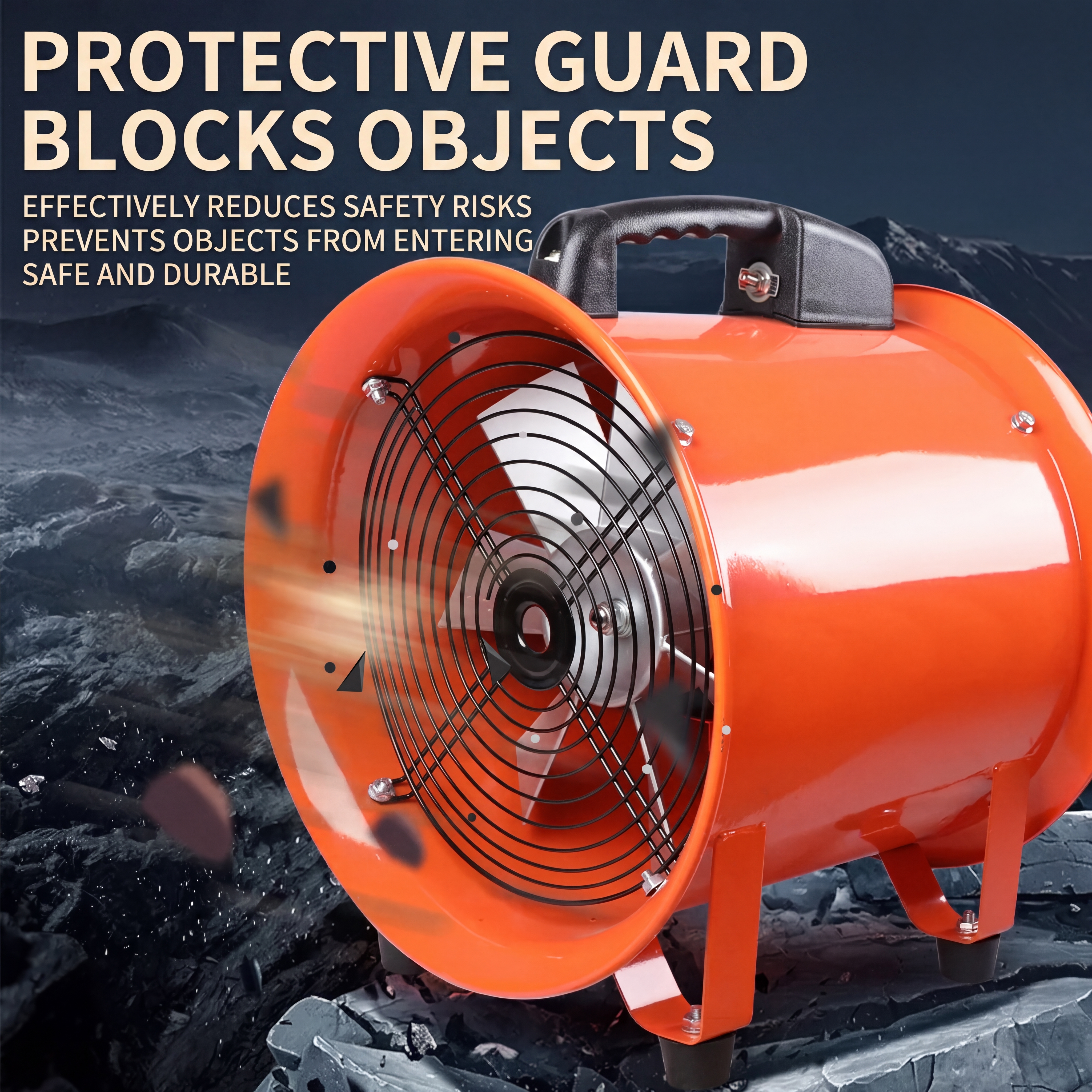
The air path helps guide the unique exhaust fan choice. The Portable Axial Flow Fan 10,000 m³/h for Confined Spaces is a catalog option for portable ventilation work. It may be relevant when a unique exhaust fan needs a direct route and a portable form. Unique exhaust fan fit still depends on the site layout and work conditions.
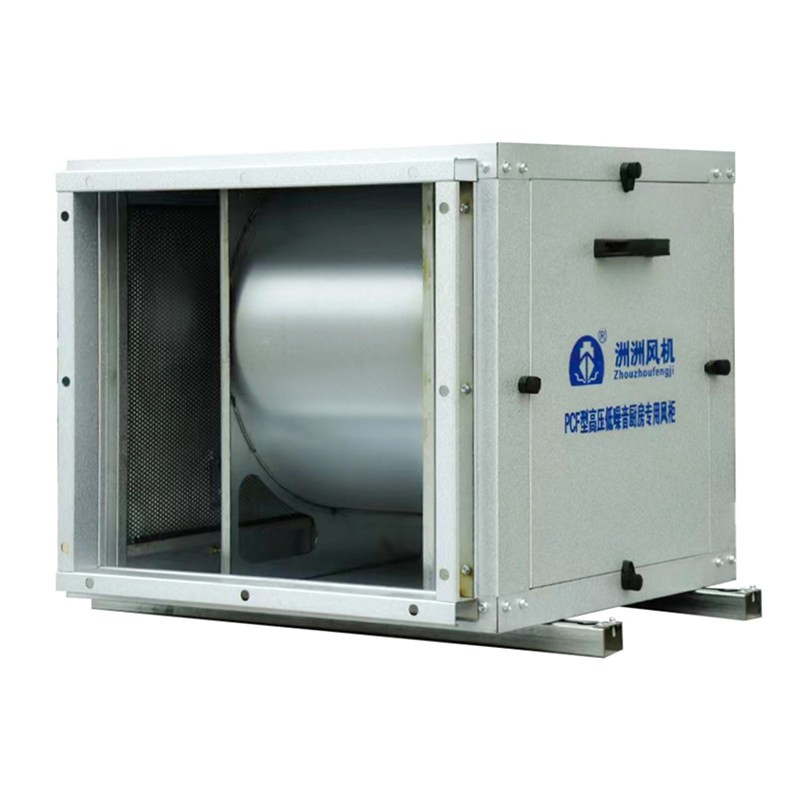
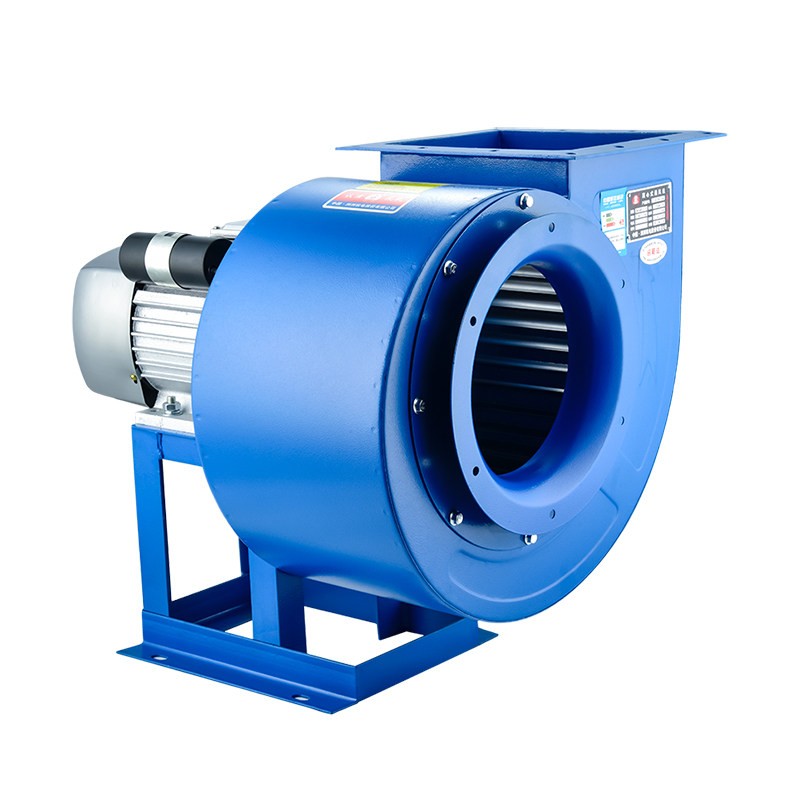
Centrifugal products should be compared when the path has more resistance. The catalog includes a 304 Stainless 4-72A Centrifugal Fan 2,500 Pa for Chemicals, a 9-19 High-Pressure Centrifugal Fan 9,200 Pa for Forging, and a 9-26 High-Pressure Centrifugal Fan 30 kW for Conveying. Each title gives an application context. It does not prove that a unique exhaust fan is right for every site with that label.
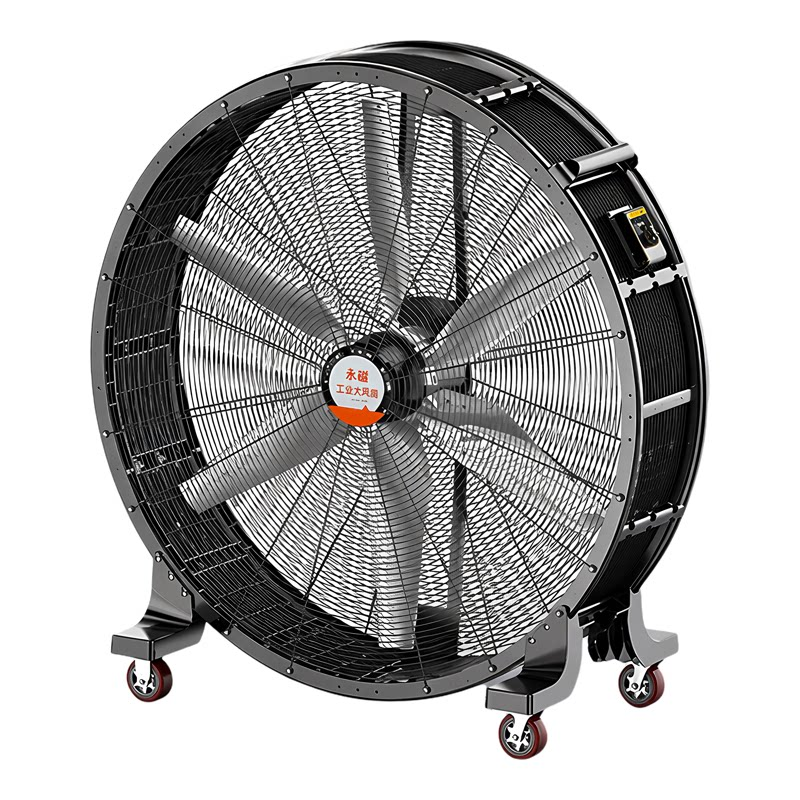
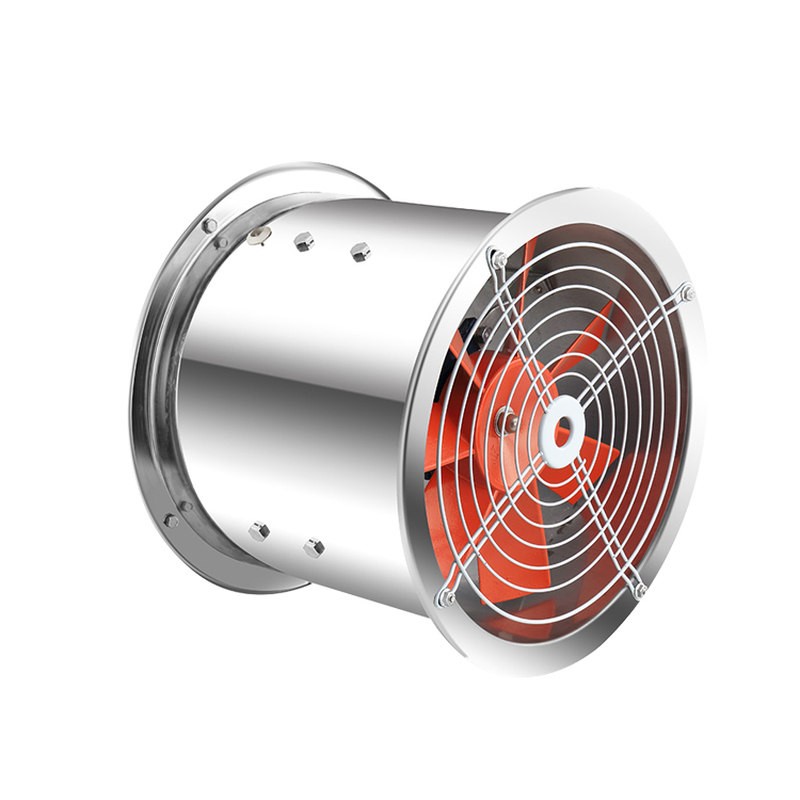
There is no one best unique exhaust fan type. A direct, low-resistance path may lead to an axial fan review. A path with ducts, bends, filters, or process gear may lead to a centrifugal fan review. Compare the unique exhaust fan air path. This is more useful than treating one fan type as the answer for all jobs.
Check the Installation Conditions
Look at the space around the fan. A unique exhaust fan may face wet air, heat, corrosive agents, or dust. It may need to connect to a hood, an enclosure, a portable duct, or process equipment. These facts affect the questions that must be answered before a unique exhaust fan choice. Keep the route as direct as the unique exhaust fan task allows. Leave space for cleaning and service.
If a project needs a performance class, material rule, or safety rule, check the standard category that applies in the installation market. Do not assume that a general fan description meets a site rule. A unique exhaust fan selection should include the project engineer and any local safety needs.
Send a Useful Inquiry
Use the inquiry to describe the duty, not just to ask for a special fan. Include airflow, estimated pressure, duct size, duct length, air temperature, material, voltage, and mounting position. If you replace an old unit, share its data plate and the reason for the change. A clear request helps turn a unique exhaust fan idea into a focused product discussion.
- Send photos or a simple sketch of the unique exhaust fan location and the air route.
- Ask which assumptions support a proposed unique exhaust fan category before you place an order.
- Keep the final choice tied to measured project inputs and site requirements.
Taizhou Zicheng Electromechanical Co., Ltd. offers axial and centrifugal fan categories for these discussions. A unique exhaust fan should be chosen from the duty point and the unique exhaust fan installation. Send the full context when you request a quote.

 EN