Define the Fresh Air Ventilation Duty
Fresh air ventilation starts with the job the system must do. List the room, the process, and the hours of use. State if fresh air ventilation will supply outside air, remove stale air, or do both. Mark the supply point and the exhaust point on the drawing. This shows the path that fresh air ventilation must follow.
Give the required airflow. Give the static pressure too. Note the voltage and the site temperature. Describe the air that will move through the fan. These facts help a supplier review fresh air ventilation without guessing from a room size alone. They also help the buyer compare a fan type with the planned duty.
Use Airflow and Pressure Together
Fresh air ventilation in an open space is not the same as fresh air ventilation in a long duct. Duct length, elbows, filters, dampers, and outlets all add resistance. A fan can have a high free-air rating yet deliver less air after it is linked to a real duct path. The duty point is where the system need and the fan curve meet.
- Measure the target airflow for fresh air ventilation.
- List every bend, filter, damper, grille, and transition.
- Include pressure loss from each part of the duct route.
- Compare the full duty point with the fan curve.
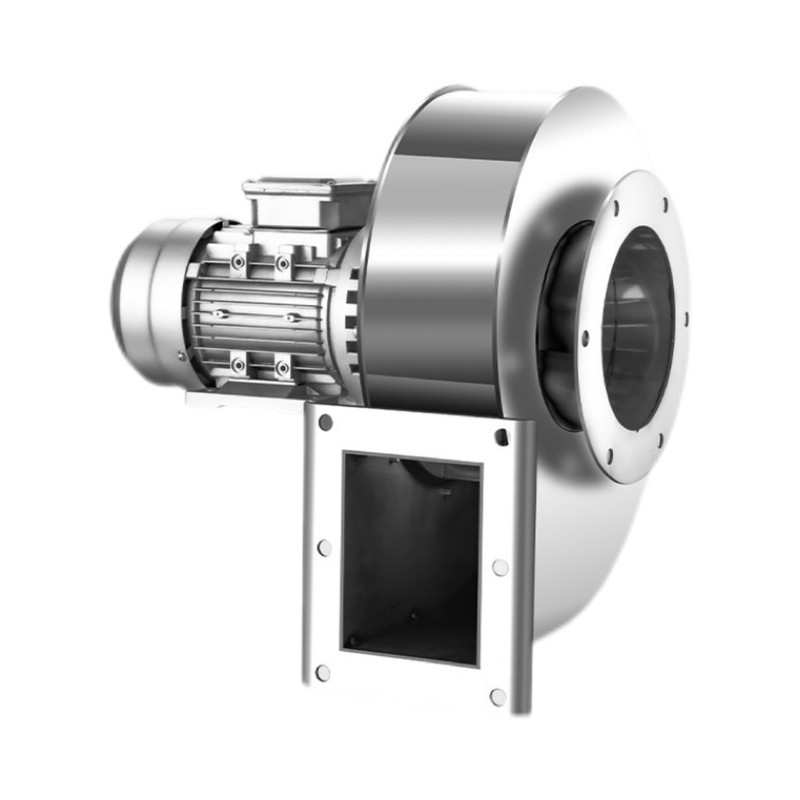
Centrifugal fans can be considered for fresh air ventilation where a duct system needs pressure. The selected 4-72A models state a maximum pressure of 2,500 Pa. The selected 9-19 and 9-26 models state a maximum pressure of 9,200 Pa. These limits are product facts. They do not mean that a higher-pressure fan is the right choice for every fresh air ventilation plan.
Lay Out a Simple Air Path
Fresh air ventilation works best when the air path is planned. Keep the duct route as direct as the project allows. Avoid extra turns where possible. Make room for filters, guards, and service access. A cramped route can add loss and make later work harder.
Look at supply and exhaust positions together. Fresh air ventilation can fail to serve a zone if supply air moves straight to the discharge point. A poorly placed exhaust point can also leave stale areas. Sketch the path through the work area. Then check that the fan, duct, and terminals support that path.
Check the Airstream Conditions
Fresh air ventilation selection must match the air and the site. The selected 4-72A product records state use with non-self-igniting and non-corrosive gases. They state a maximum gas temperature of 80°C. They also state a dust and hard-particle limit of 150 mg/m³. Confirm these facts against the actual fresh air ventilation duty.
The 304 stainless 4-72A record identifies a 304 stainless steel housing for its listed chemical application. Do not assume that a standard model suits heat, dust, or corrosive service. Send measured conditions for review. If the air or site falls outside the documented limits, ask for technical evaluation before you choose a fan.
Keep Fresh Air Ventilation Serviceable
Fresh air ventilation needs checks after start-up. Inspect filters and screens on a planned schedule. Keep the inlet and outlet clear. Check duct joints and flexible links. Listen for new vibration or noise. Record the system pressure at commissioning. Later readings can help show when a filter or duct needs attention.
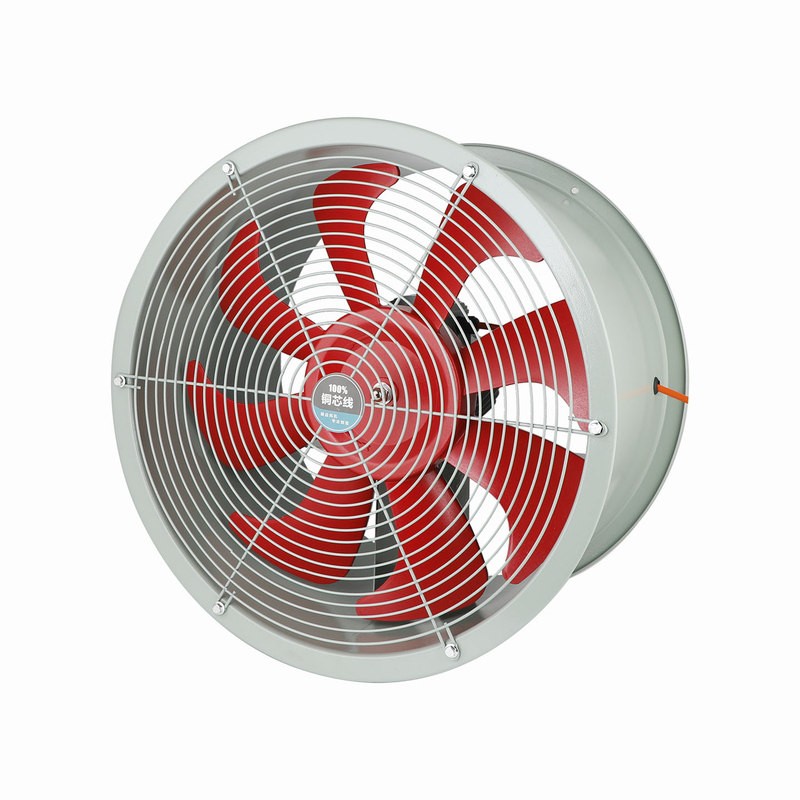
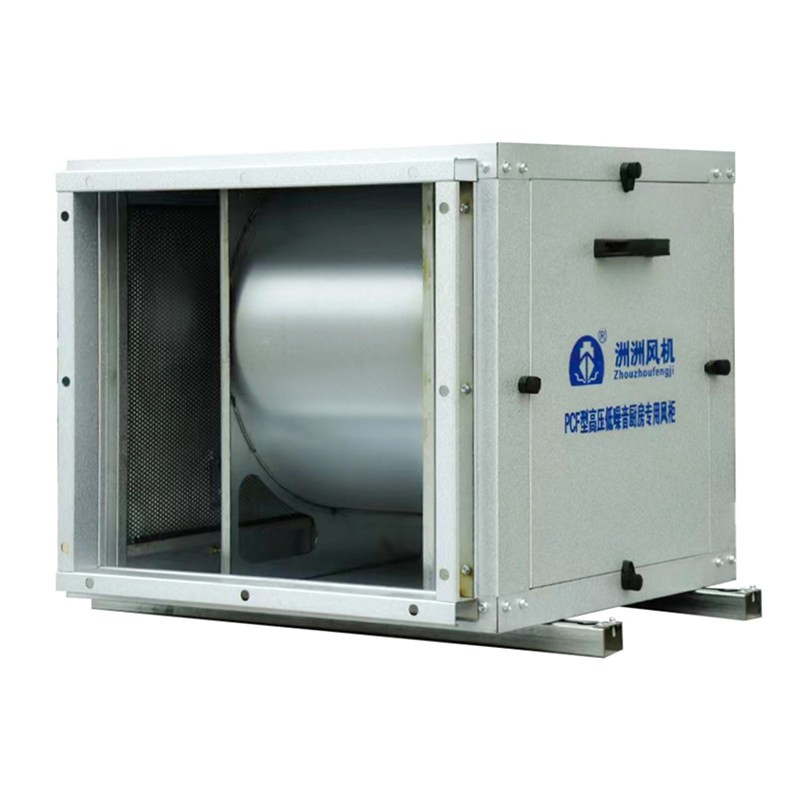
For a fresh air ventilation quotation, send airflow, static pressure, a duct sketch, air details, temperature, voltage, and material needs. This gives a useful basis for a discussion about centrifugal, axial, or another fan type. It avoids claims based only on a catalogue rating.

 EN