Positive Pressure Ventilation Fan Guide

Get a Free Quote

Our representative will contact you soon.
Email
Mobile/WhatsApp
Name
Company Name
Message
0/1000
Positive Pressure Ventilation Fan Selection Guide

Positive Pressure Ventilation Fan Selection Guide

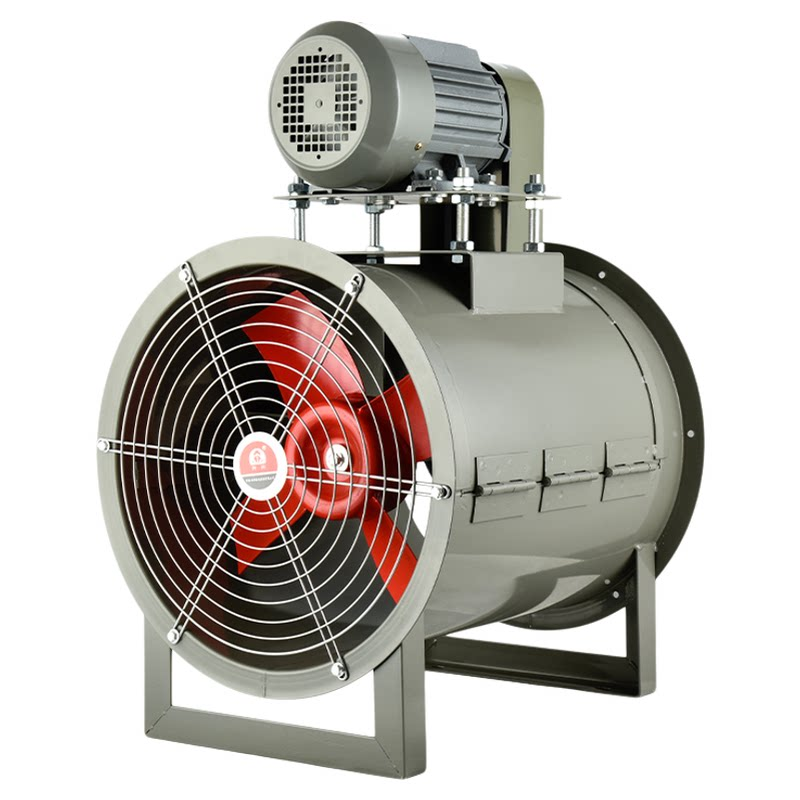
A positive pressure ventilation fan adds supply air to a building, process area, or enclosed work zone. This positive pressure ventilation fan page helps engineers, contractors, distributors, and facility teams compare axial and centrifugal options for that task. A positive pressure ventilation fan may suit fresh-air supply, replacement air, heat control, or a temporary ducted job. The positive pressure ventilation fan range includes axial fans for high-volume air movement, a portable axial unit for temporary duct access, and centrifugal equipment for routes with more resistance. Taizhou Zicheng Electromechanical Co., Ltd. makes axial and centrifugal fan types. For a useful positive pressure ventilation fan discussion, send room size, duct route, airflow need, pressure conditions, site environment, and power supply. These details help start a model and quote discussion.
Get A Quote

Manufacturer Context for Fan Projects

Context for a positive pressure ventilation fan project and buyers reviewing a direct manufacturer with several positive pressure ventilation fan options.

Direct Factory Production

Taizhou Zicheng Electromechanical Co., Ltd. is identified in the prepared profile as a manufacturer with direct factory production capability for its fan products. This supports a direct positive pressure ventilation fan discussion.

Multi-Type Fan Portfolio

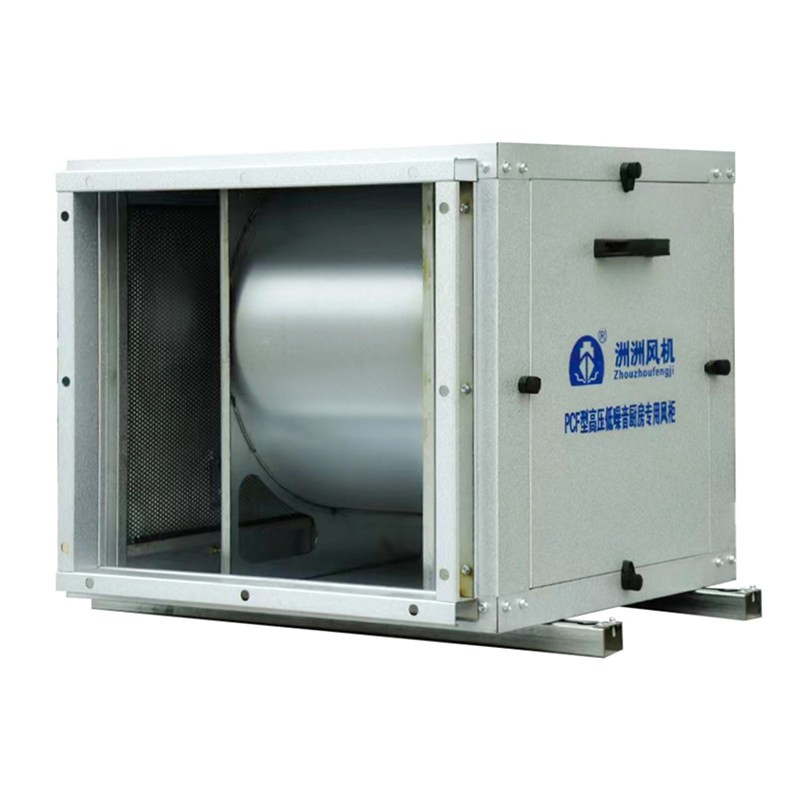
The prepared library lists standard and handheld axial types, CF-11 and 11-62 centrifugal types, and PCF smoke exhaust fans. This breadth can help with a multi-type positive pressure ventilation fan project.

Related products

Match Pressure to the Duct Route

Match Pressure to the Duct Route

A positive pressure ventilation fan is not selected by free-air volume alone. A short, open route may suit an axial option. A long route with bends, filters, grilles, or process equipment can add resistance. In that case, compare a centrifugal option using the real duty point. Confirm the duct layout before you compare models. This helps avoid treating a catalog airflow figure as the air delivered at the supply point. Ask for positive pressure ventilation fan guidance after the route is known.

Plan the Air Path First

A positive pressure ventilation fan adds air to a room or work zone. The air then leaves by a door, louver, or exhaust path. This can help set the flow path in a space. A positive pressure ventilation fan is not a full system by itself. The intake, outlet, and room use also matter.

Start with the room length, width, and height. Mark doors, vents, and exhaust points. Note what can be open when the fan runs. A positive pressure ventilation fan needs a clear path for air to leave. With no exit path, air may pool near the supply point.

Pick the Positive Pressure Ventilation Fan Type

An axial positive pressure ventilation fan moves air in line with its blades. It can suit open spaces or short duct runs. The listed axial products cover drying work and portable duct use. A portable axial positive pressure ventilation fan can connect to telescopic ducting for short-term work in an enclosed area.

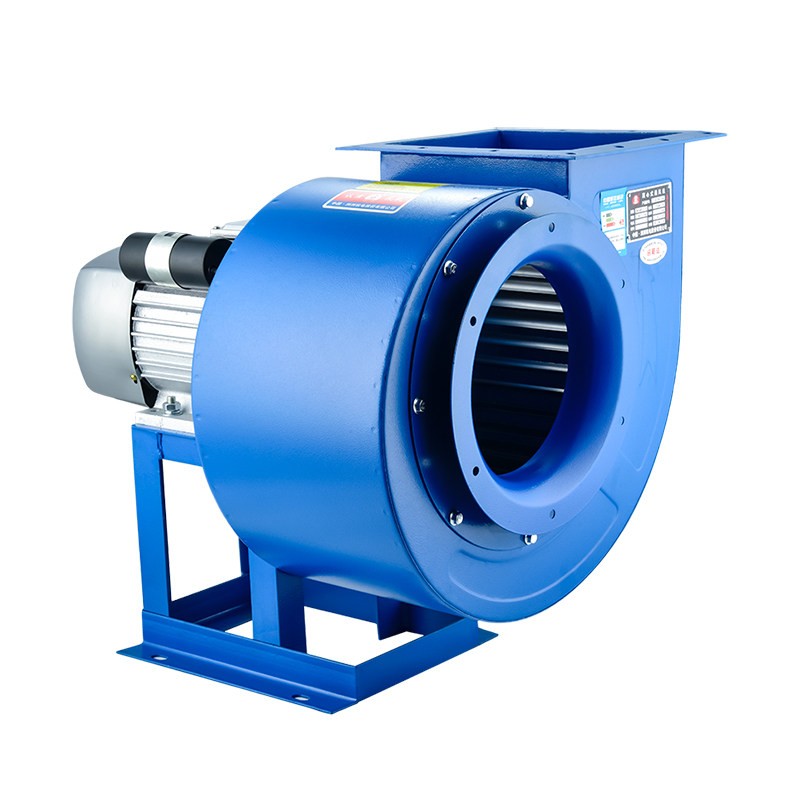
A centrifugal positive pressure ventilation fan can be a better fit when the route has more resistance. Long ducts, bends, filters, and grilles can slow the air. The listed 4-72A centrifugal fan has a stated maximum pressure of 2,500 Pa. That figure is a product fact. It does not replace a system review.

Check Duct Losses

Do not select a positive pressure ventilation fan by free-air flow alone. Duct parts add resistance. A bend, filter, damper, or small outlet can change positive pressure ventilation fan results. Draw the route. Show duct size, length, bends, branches, filters, and supply points. This gives a better basis for a positive pressure ventilation fan discussion.

  • Use gradual duct changes where the layout allows it.
  • Keep the air intake away from clear dirt or fume sources.
  • Check each branch when one fan serves more than one zone.
  • Leave room to inspect and clean the fan and duct.

Match Materials to the Site

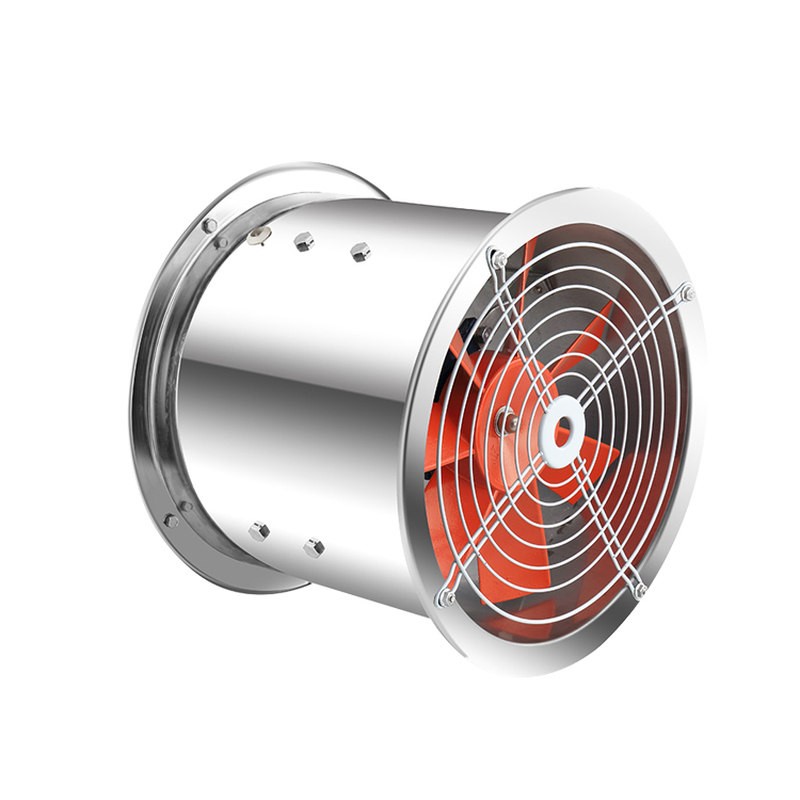
Site heat, wet air, dust, and the air stream can affect a positive pressure ventilation fan choice. The listed 304 stainless axial fan is stated for drying rooms and up to 200°C. The listed 304 stainless centrifugal fan has an 80°C maximum gas temperature and a stated dust limit of 150 mg/m³. These limits belong to those products. Check each detailed record before you choose a model.

Some positive pressure ventilation fan jobs have local rules for air systems. These may cover test methods, ingress protection, or smoke control. A positive pressure ventilation fan page cannot confirm which rule applies. Check with the project engineer or local authority before a final choice.

Send Clear Project Data

Good data helps a supplier review each positive pressure ventilation fan request. Send the use case, room size, target air flow, duct sketch, power supply, and mount point. Add the heat, moisture, dust, or chemical conditions at the site. If you are replacing a unit, add its nameplate data and explain the fault.

The largest positive pressure ventilation fan is not always the best fit. Too much flow can add noise or make an uneven air path. Too little flow may not reach the far end. Match the positive pressure ventilation fan to the real route and duty point. Then ask for a quote based on that data.

Positive Pressure Ventilation Fan FAQ

Selection questions for supply-air and ducted ventilation projects.

What does a positive pressure fan do?

A positive pressure ventilation fan sends air into a set room or work zone. Air then moves out through planned doors, vents, transfer paths, or an exhaust route. The final result depends on the full air path. Before you select a positive pressure ventilation fan, define the supply point, the desired air direction, and the exit path. This helps show if the job is fresh-air supply, make-up air, heat control, or short-term work ventilation. The positive pressure ventilation fan must fit the whole layout, not only the room size.
An axial positive pressure ventilation fan can be a good first option for a need with low resistance. This can include an open area or a short duct route. The listed products include axial units for drying work and a portable axial fan for temporary duct use. Still check the positive pressure ventilation fan route. Long ducts, sharp bends, filters, and tight grilles can change the duty point. When those items are present, compare a centrifugal positive pressure ventilation fan as well before you choose a model.
Positive pressure ventilation fan duct length, bends, branches, filters, dampers, and outlet grilles all resist air flow. This means a positive pressure ventilation fan may move less air at the outlet than its free-air figure suggests. A route sketch is useful. Include the duct size, length, main bends, filters, and supply and exhaust points. The drawing lets a supplier discuss the positive pressure ventilation fan against the real job. It is a better base than a catalog headline alone, especially for a long or branched route.
For a positive pressure ventilation fan quote, provide the use case, room size, target air flow if known, duct layout, pressure need, power supply, and mount direction. Also state the site heat, wet air, dust, or chemical exposure. These details can affect fan materials and motor choice. For a replacement, share the old unit model and nameplate data. Describe the issue seen in use. This gives the technical team a clear basis to discuss a positive pressure ventilation fan configuration and a commercial quote.

Related article

What factors cause bellows cracking under repeated thermal expansion cycles?

26

Oct

What factors cause bellows cracking under repeated thermal expansion cycles?

Root-Originated Fatigue: Why Convolution Roots Dominate Bellows FailureCrack Initiation Mechanism Under Cyclic Thermal StrainWhen a metal bellows absorbs repeated thermal expansion, each convolution flexes—and the root radius becomes the highest-stra...
View More
What certifications should a qualified centrifugal blower manufacturer provide?

28

Oct

What certifications should a qualified centrifugal blower manufacturer provide?

ISO 9001: The Foundational Quality Assurance for Every Centrifugal Blower Manufacturer How ISO 9001 Certification Ensures Consistent Design, Manufacturing, and After-Sales Support ISO 9001:2015 does not certify product performance—it validate...
View More
How to Choose the Right Aquaculture Aerator for Your Fish Farm (2026 Buying Guide)

14

Sep

How to Choose the Right Aquaculture Aerator for Your Fish Farm (2026 Buying Guide)

Paddle wheel, impeller or vortex? Learn how to size a pond aerator, cut energy costs and find a reliable aquaculture aerator manufacturer for your farm.
View More
Industrial Ventilation Fan Selection Guide: Axial vs Centrifugal vs Mixed Flow

14

Sep

Industrial Ventilation Fan Selection Guide: Axial vs Centrifugal vs Mixed Flow

Compare axial, centrifugal and mixed flow industrial ventilation fans by pressure, airflow and noise, and learn how to buy direct from a factory.
View More

Get a Free Quote

Our representative will contact you soon.
Email
Mobile/WhatsApp
Name
Company Name
Message
0/1000