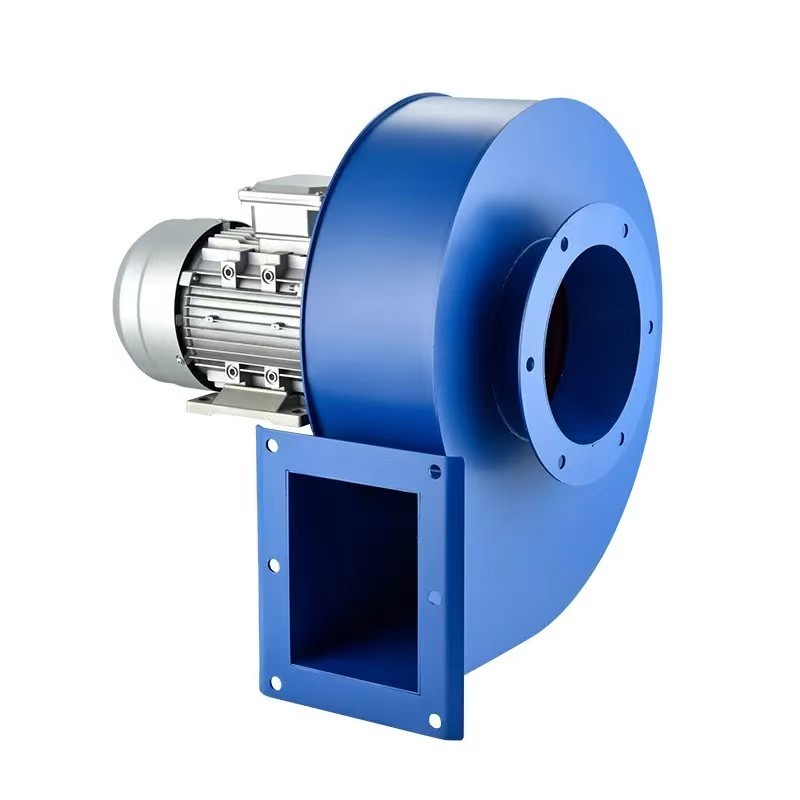
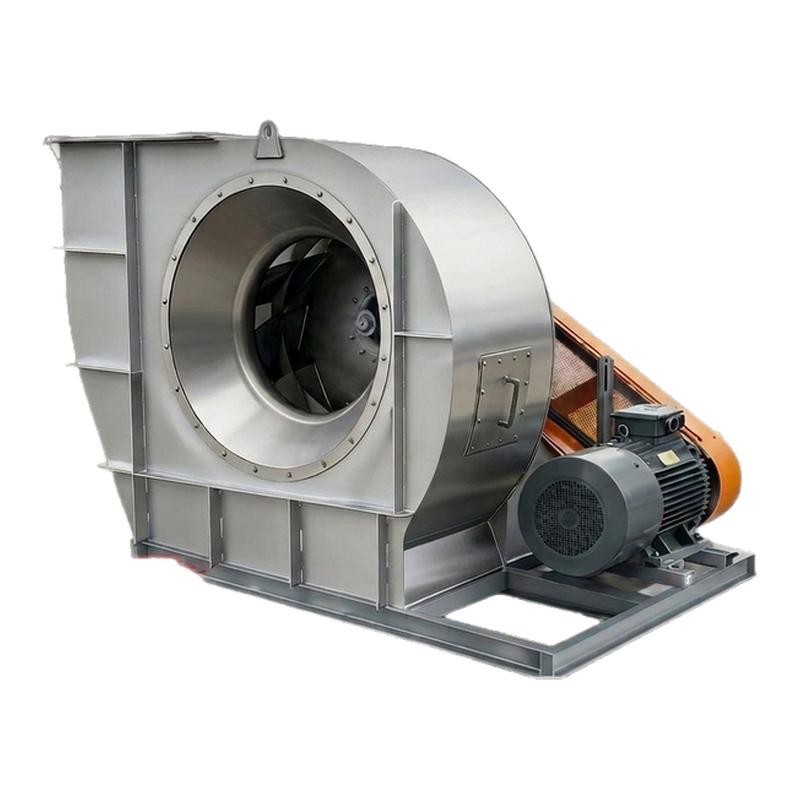
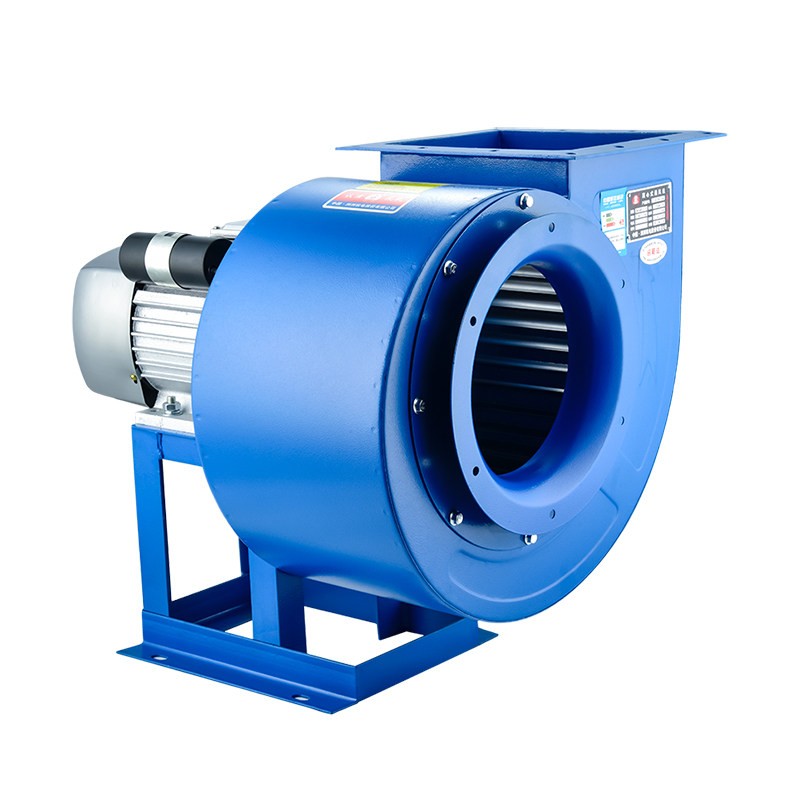
Define the Furnace Exhaust Fan Duty
A furnace exhaust fan project starts with a clear duty. State what air needs to move, where it starts, and where it will leave the building. Record the target airflow, air temperature, duct path, power supply, and mounting space. These facts make a furnace exhaust fan request more useful. They help avoid a choice based on a name alone.
Ask whether the furnace exhaust fan runs all day or only during a heat cycle. Note dust, moisture, grease, or vapor in the air. A furnace exhaust fan for clean hot air may need a different material or motor arrangement when the airstream changes. Photos and a simple sketch can help explain the site.
Check Furnace Exhaust Fan Duct Resistance
Do not select a furnace exhaust fan only from its free-air rating. Ducts, elbows, grilles, filters, dampers, and outlet hoods slow the air. The more resistance a route has, the more important fan pressure becomes. A short route can call for a different furnace exhaust fan than a long route with several bends.
List the duct diameter, length, bends, transitions, filters, and discharge point. This lets an engineer compare the duty point with a fan curve. It also helps plan access and electrical work. The largest furnace exhaust fan is not always the best fit. Too much velocity can add noise and make control harder.
Compare Furnace Exhaust Fan Formats
An axial furnace exhaust fan can be considered for high-volume air movement when the route has low resistance. The selected 304 Stainless Steel Axial Fan is listed for drying rooms and up to 200°C. The Aluminum Blade Axial Fan is listed for tobacco curing. These are product references for related heat or drying duties. They are not a promise that either model fits every furnace exhaust fan application.
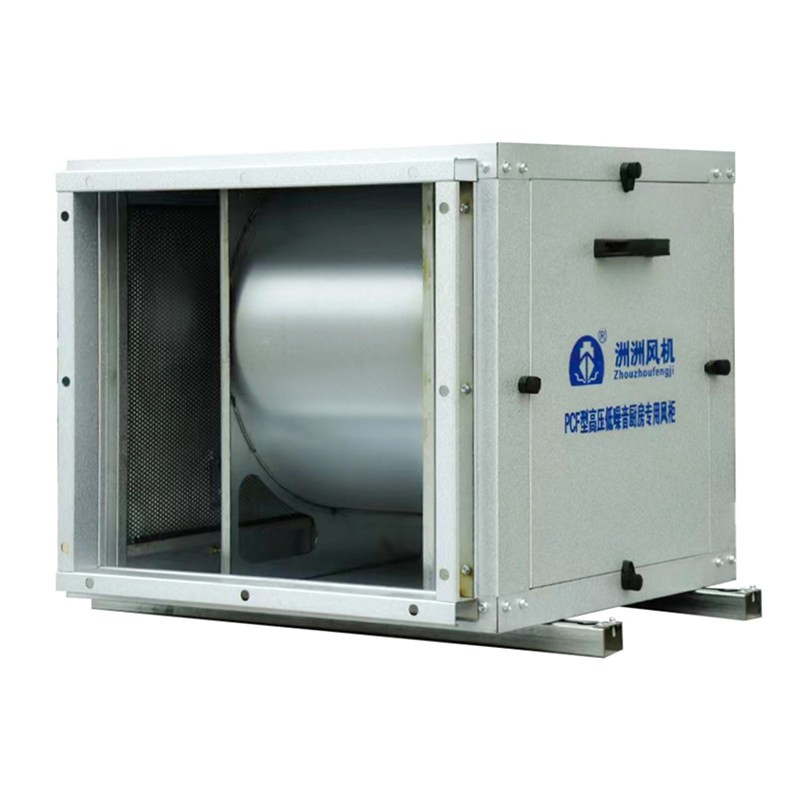
A cabinet smoke exhaust fan is a different format. The selected cabinet model is listed for kitchen use and has a 1,000 Pa reference in its title. A buyer may review this furnace exhaust fan type when a layout has more duct resistance or needs a cabinet installation. Check the application, control plan, mounting position, and local rules before final selection. For temporary airflow during maintenance, the portable axial fan is separate. It is not the same as a fixed furnace exhaust fan system.
Review Furnace Exhaust Fan Heat Conditions
Measure air temperature at the furnace exhaust fan location. It can differ from the temperature near the furnace. Record peak temperature, normal temperature, and cycle length. Also identify moisture, dust, grease, and corrosive vapor. These conditions affect the housing, motor, and service plan.
- The 304 Stainless Steel Axial Fan is catalogued for drying rooms and up to 200°C. Use its stated conditions for a relevant furnace exhaust fan discussion.
- The cabinet product has IP65 and kitchen-use references. It may be worth reviewing where moisture and particulates matter.
- The aluminum-blade axial product is linked to tobacco curing. It provides a reference for high-volume drying air movement.
- The portable product is for confined spaces. It can support temporary work, but it is not a permanent furnace exhaust fan arrangement.
Send Furnace Exhaust Fan RFQ Details
A clear furnace exhaust fan enquiry includes target airflow, duct details, air temperature, power supply, and operating hours. Add installation orientation and material concerns. If the system serves a regulated process or occupied building, the responsible designer should define the needed rules first.
Taizhou Zicheng Electromechanical Co., Ltd. offers axial, centrifugal, kitchen exhaust, and vortex blower categories. Share operating facts with the furnace exhaust fan term. The supplier can focus on the right category and configuration. This keeps the furnace exhaust fan decision tied to the real installation rather than an unsupported performance claim.

 EN