Start at the Source
Local exhaust ventilation is a way to control air at a work point. Local exhaust ventilation pulls unwanted air away before it spreads through the building. Start by naming the issue. It may be heat, dry dust, welding fume, mist, vapor, or normal process air. This choice affects the hood, duct, filter, fan, and discharge route. For local exhaust ventilation, the pickup point is as important as the fan.
Place the hood close to the source when the task allows it. A hood that is too far away may need much more airflow. Cross-drafts can also reduce capture. Note the work size, worker access, moving parts, and nearby doors. These facts help shape the local exhaust ventilation layout. They also help local exhaust ventilation capture air at the right place.
Set an Airflow Need
Set airflow from the hood opening, the capture plan, and the process. Then have the responsible engineer check the result. Do not treat a free-air fan rating as airflow at the hood. In local exhaust ventilation, duct losses, a loaded filter, and a restrictive hood can change the delivered airflow. Local exhaust ventilation needs airflow at the source, not just at the fan outlet.
- Record the hood size and its distance from the source.
- List each duct, elbow, branch, damper, filter, and discharge part.
- State how many work points run at one time.
- State the temperature and the air or dust conditions.
Check the Duct Resistance
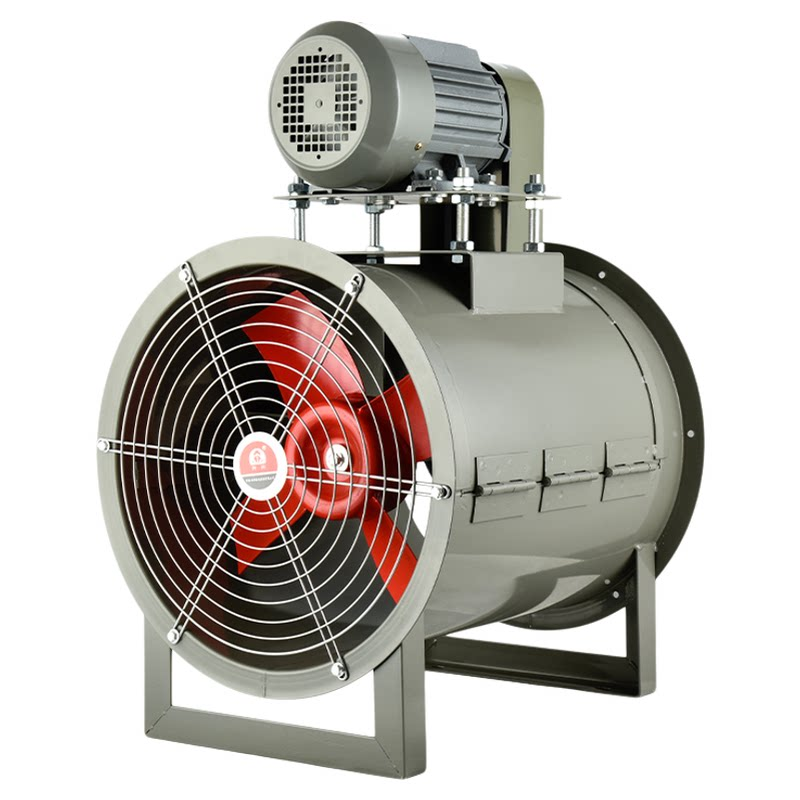
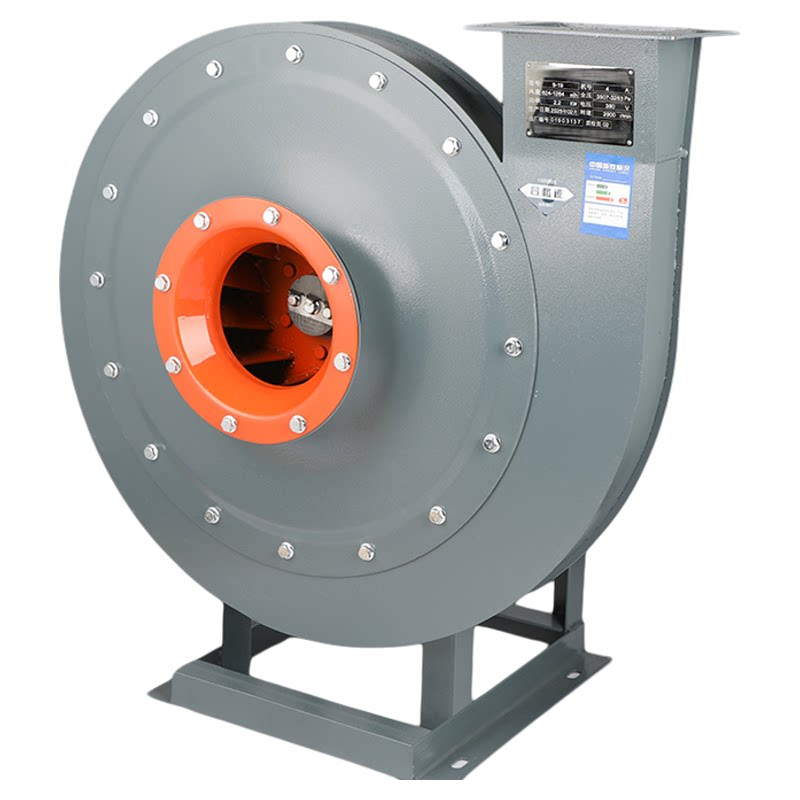
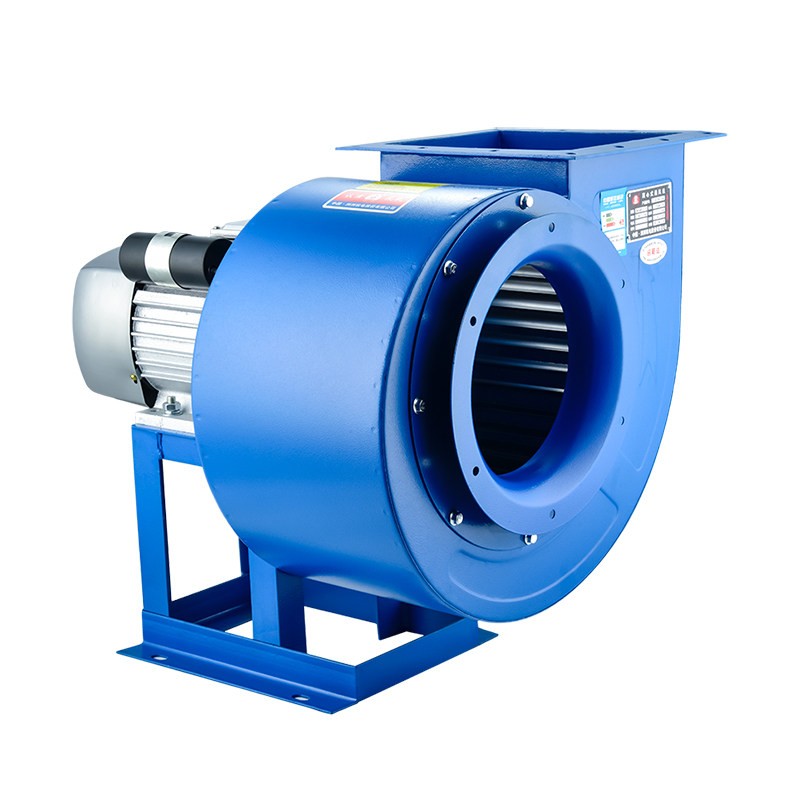
Static pressure is the resistance that the fan must overcome. Long ducts add resistance. Bends, branches, filters, and collectors add more. Local exhaust ventilation with a short and open route may allow an axial fan comparison. Local exhaust ventilation with a long duct route or a filter often calls for a centrifugal fan review. The fan must meet both airflow and pressure needs. This is a key local exhaust ventilation check.
The 304 Stainless 4-72A Centrifugal Fan is listed with up to 2,500 Pa. The 9-19 High-Pressure Centrifugal Fan is listed with up to 9,200 Pa. These figures are product facts. They do not replace a system calculation. A higher-pressure fan is not always the right choice. It may add noise, power use, and balancing work. Check the fan curve against the planned duty point.
Choose for the Job
The listed products give different starting points for local exhaust ventilation. The Aluminum Blade Axial Fan is a high-volume axial option. The Portable Axial Flow Fan is listed for confined spaces and telescopic ducts. It may help with temporary work where no fixed system is in place. A portable fan does not replace a fixed local exhaust ventilation system for a continuous process. For a fixed ducted route, review centrifugal equipment when system resistance is important. Match the unit to the local exhaust ventilation duty point.
Define unusual air conditions early. The 304 Stainless 4-72A record states a maximum gas temperature of 80°C and a dust and hard-particle limit of 150 mg/m³. The 9-19 record states the same boundary. Check these limits against the actual job. If the material is combustible, corrosive, sticky, or hazardous, obtain a project-specific engineering and safety assessment. A general product record is not approval for that service.
Install and Check the System
Good installation supports local exhaust ventilation performance. Use gradual transitions where practical. Support ductwork so it does not load fan connections. Leave access for cleaning and checks. After installation, verify airflow at the pickup point. Review noise, vibration, and worker access. Filter loading and production changes can raise resistance over time. Recheck local exhaust ventilation after a process change.
For a local exhaust ventilation discussion, provide the process, required airflow, estimated static pressure, duct sketch, electrical supply, temperature, and material needs. This gives the supplier and project team enough information to compare realistic options for local exhaust ventilation.

 EN