Commercial Kitchen Exhaust Fan Selection Guide

Get a Free Quote

Our representative will contact you soon.
Email
Mobile/WhatsApp
Name
Company Name
Message
0/1000
Commercial Kitchen Exhaust Fan Selection Guide

Commercial Kitchen Exhaust Fan Selection Guide

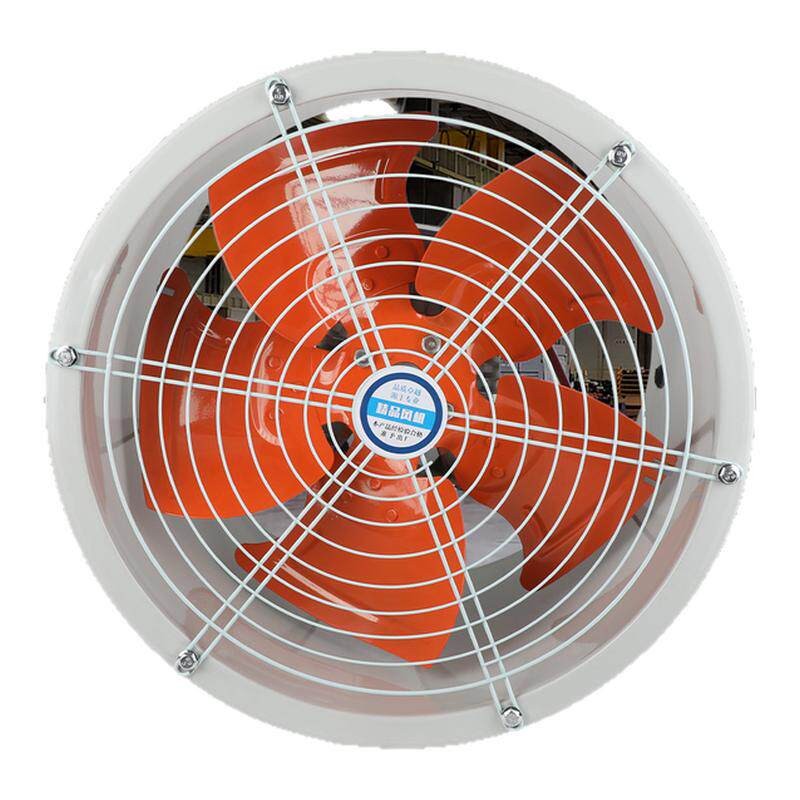
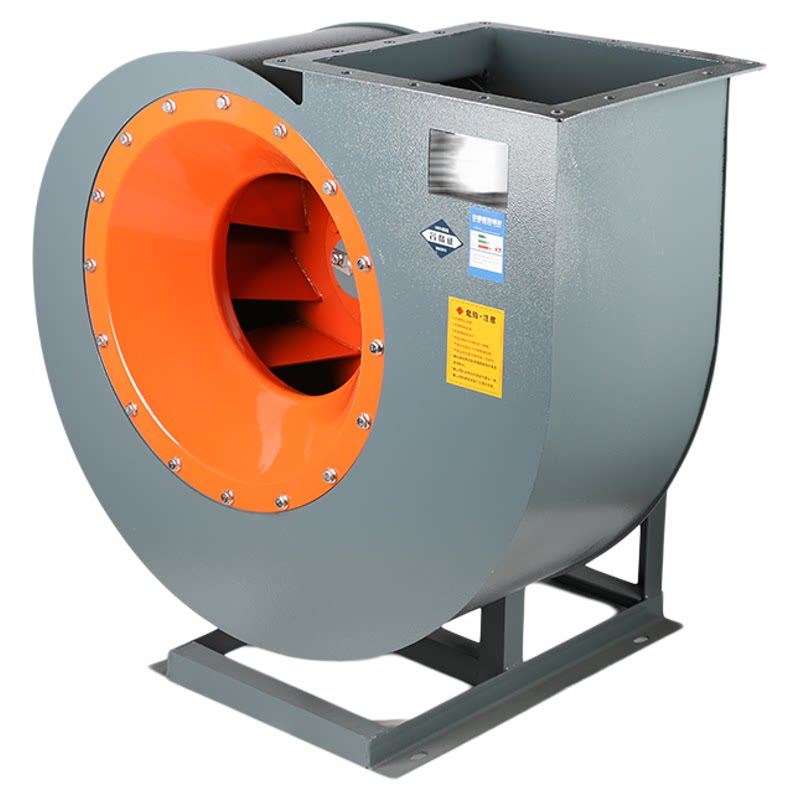
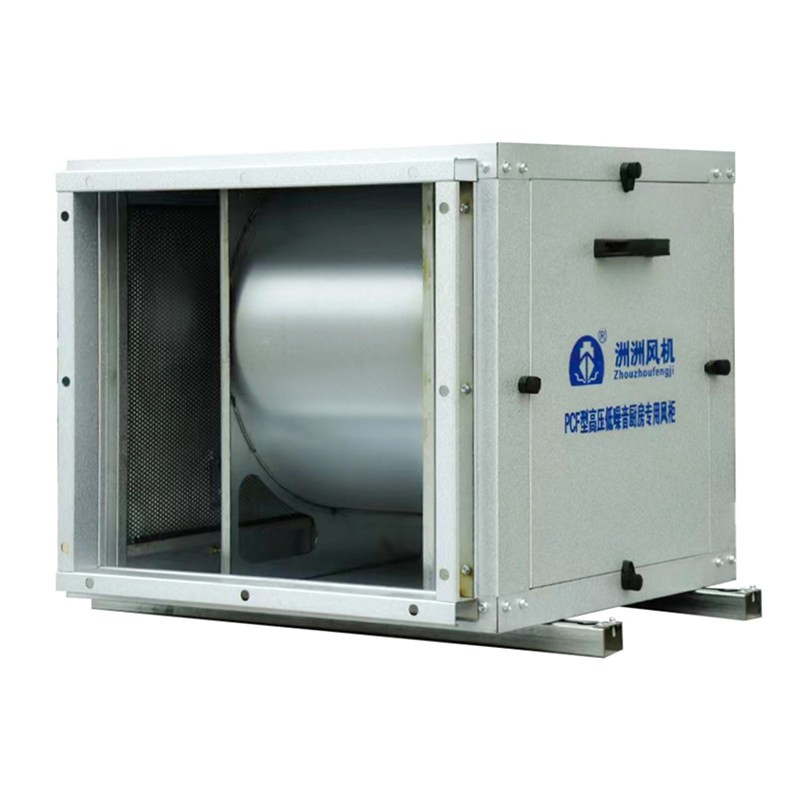
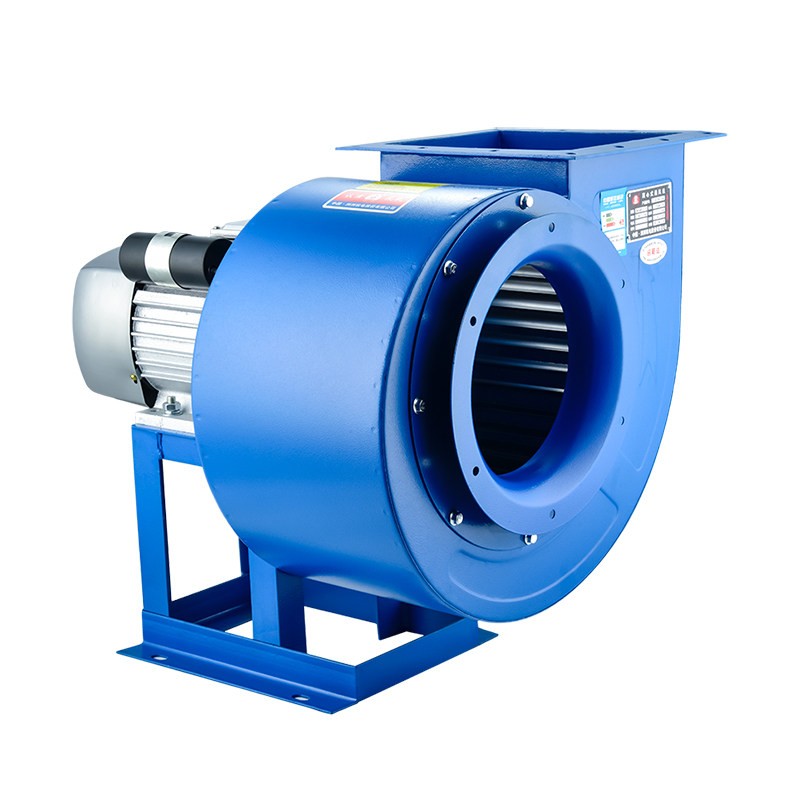
A commercial kitchen exhaust fan must fit the hood, duct route, and cooking load. This guide covers selected centrifugal, cabinet, and axial fan options from Taizhou Zicheng Electromechanical Co., Ltd. It is for a new system, an upgrade, or a replacement. Start with airflow and static pressure. Do not use open-air airflow alone. Bends, filters, dampers, and outlets all add resistance. A commercial kitchen exhaust fan must work at the real duty point. The selected range includes ducted centrifugal fans, a cabinet smoke fan, and a portable axial unit for temporary work. Send the hood count, duct sketch, airflow target, pressure target, voltage, and site conditions. Then discuss a commercial kitchen exhaust fan option and request a quote.
Get A Quote

Manufacturer Context for Kitchen Exhaust

Verified supplier context for kitchen exhaust buyers.

Direct Fan Manufacturing

Taizhou Zicheng Electromechanical Co., Ltd. is listed as a manufacturer with direct factory production capability for its fan products. Buyers can discuss a commercial kitchen exhaust fan with the product source.

Relevant Fan Product Range

The documented range includes axial fans, CF-11 and 11-62 centrifugal fans, and PCF smoke exhaust fans. This helps a buyer compare a commercial kitchen exhaust fan category within one product range.

Project Input First

A useful inquiry includes airflow, static pressure, space, power supply, and site conditions. These details help match a commercial kitchen exhaust fan to the project without guessing.

Related products

Match Pressure to Duct Resistance

Match Pressure to Duct Resistance

A commercial kitchen exhaust fan needs more than a high airflow figure. Long ducts, elbows, filters, dampers, grease, and outlet parts add resistance. A centrifugal fan may suit a ducted duty point. Match the selected commercial kitchen exhaust fan to the real system curve and site limits.

Define the Hood Duty

A commercial kitchen exhaust fan is part of a full system. Start with the hood type. Note the hood size. List the cooking equipment. State the expected cooking load. The project designer should set the airflow need. Local rules may also apply. Do not choose a commercial kitchen exhaust fan from floor area alone. Do not choose it from open-air airflow alone.

Large kitchens may have more than one hood. Each hood may need a separate exhaust zone. Each zone may have a different duct path. Each path may have a different pressure loss. A commercial kitchen exhaust fan should match its own zone. This makes selection clearer.

State the Intended Job

Say what the fan must do. It may handle normal kitchen exhaust. It may provide general air movement. It may support temporary work. It may be part of a separate smoke-exhaust duty. These jobs are not the same. The selected 11-62 and CF-11 products are centrifugal options for ducted kitchen use. The cabinet unit has a different form. The portable axial unit is for temporary ventilation tasks.

A portable unit can help during work in an enclosed space. It is not a fixed hood system. It is not a substitute for a commercial kitchen exhaust fan in a permanent kitchen installation. Keep the intended job clear before comparing products.

Use Airflow and Static Pressure

A commercial kitchen exhaust fan needs two key values. One is airflow. One is static pressure. Ducts create pressure loss. Filters create pressure loss. Elbows create pressure loss. Dampers create pressure loss. The outlet can add pressure loss too. Ask the system designer to calculate the duty point.

  • Start with the target airflow and target static pressure.
  • Check duct size, fan connection, and installation space.
  • Check support, safe access, and service space.
  • Ask for a fan curve when the duct route is complex.
  • Plan cleaning access for grease control.

The fan should deliver the needed airflow at the duty point. A commercial kitchen exhaust fan that is too small may not meet the plan. One that is too large may add noise. It may also be hard to control. The goal is a suitable match, not the largest listed model.

Choose a Fan Category

A centrifugal commercial kitchen exhaust fan is often used for a ducted route with high resistance. The selected CF-11 record lists a multi-wing centrifugal design. It lists a maximum static pressure of 1,000 Pa. The selected 11-62 is another centrifugal option for hotel kitchens. These facts can help narrow the search. They do not replace a design calculation.

Ask for performance data at the specified duty point. Check the fan curve. Check the motor and power supply. Check the duct connection. Check the available space. A commercial kitchen exhaust fan must fit all of these conditions.

A cabinet smoke exhaust fan may fit a project with the right duty and layout. Its record lists IP65 motor protection. It lists high-temperature coils. It lists high-temperature ball bearings. It also lists direct transmission and 1,000 Pa maximum static pressure. Check code and fire-system needs with the design team. A product page does not prove site compliance.

Install and Maintain the System

Place the commercial kitchen exhaust fan where staff can reach it safely. Plan access to the motor. Plan access to the impeller. Plan access to inspection panels. Use the product instructions. Use the project design. Coordinate support and vibration control with the layout.

Keep duct changes smooth where the layout allows. Poor transitions can add loss. Poor access can slow cleaning. Grease can build up over time. That can raise system resistance. A commercial kitchen exhaust fan should be part of a service plan, not just a purchase list.

Review Noise and Send Details

Noise depends on more than the fan. Airflow affects noise. Duct speed affects noise. Mounting affects noise. The outlet location affects noise. Review noise needs early when a kitchen is near dining rooms, hotel rooms, offices, or homes. A low-noise series may help. The duct layout still matters.

Send the hood count and hood size. Send the target airflow. Send the calculated static pressure. Send a duct sketch. Send the installation location. Send the voltage and site conditions. State heat, humidity, noise, access, and service limits. These details help a supplier discuss a commercial kitchen exhaust fan without making unsupported site claims.

Commercial Kitchen Exhaust Fan FAQ

Questions for kitchen exhaust planning and sourcing.

How do I size a commercial kitchen exhaust fan?

Start with the hood and duct duty. Record hood size. Record the appliance type. Record duct length and elbows. Record filters, dampers, and outlet details. Then calculate airflow and static pressure. Select the commercial kitchen exhaust fan from its curve at that duty point. Floor area alone is not enough. Open-air airflow alone is not enough. Confirm the final selection with the system designer and supplier data.
A centrifugal commercial kitchen exhaust fan is often considered for long ducts, filters, elbows, branches, and other resistance points. It can provide ducted pressure when the selected model matches the system curve. A short and low-resistance route may need a different arrangement. Compare airflow, static pressure, noise, space, and power before choosing the category. The best commercial kitchen exhaust fan depends on the full duty point.
A smoke exhaust fan and a commercial kitchen exhaust fan can have different jobs. They can have different controls. They can have different compliance needs. The selected cabinet product lists several environmental features. Its use in a site still needs review by the project designer and local rules. Do not assume that a smoke-exhaust product meets every grease-exhaust or fire-safety need. Verify the planned operating mode before purchase.
Send target airflow and static pressure. Send the hood count and size. Send the duct drawing. Send the installation location. Send the electrical supply and operating temperature. State whether the request is for kitchen exhaust, smoke exhaust, or temporary ventilation. Add noise, space, and service limits when they apply. A duct sketch and photos can help with a commercial kitchen exhaust fan review.

Related article

What factors cause bellows cracking under repeated thermal expansion cycles?

26

Oct

What factors cause bellows cracking under repeated thermal expansion cycles?

Root-Originated Fatigue: Why Convolution Roots Dominate Bellows FailureCrack Initiation Mechanism Under Cyclic Thermal StrainWhen a metal bellows absorbs repeated thermal expansion, each convolution flexes—and the root radius becomes the highest-stra...
View More
6 inch extractor fan power and noise parameters need checking before ordering.

27

Oct

6 inch extractor fan power and noise parameters need checking before ordering.

Why Noise Performance Is Critical for 6 Inch Extractor Fan SelectionA quiet fan is not just a convenience—it determines whether users keep ventilation running. Because a 6 inch extractor fan often operates in bathrooms, kitchens, and laundry rooms, p...
View More
What certifications should a qualified centrifugal blower manufacturer provide?

28

Oct

What certifications should a qualified centrifugal blower manufacturer provide?

ISO 9001: The Foundational Quality Assurance for Every Centrifugal Blower Manufacturer How ISO 9001 Certification Ensures Consistent Design, Manufacturing, and After-Sales Support ISO 9001:2015 does not certify product performance—it validate...
View More
How to Choose the Right Aquaculture Aerator for Your Fish Farm (2026 Buying Guide)

14

Sep

How to Choose the Right Aquaculture Aerator for Your Fish Farm (2026 Buying Guide)

Paddle wheel, impeller or vortex? Learn how to size a pond aerator, cut energy costs and find a reliable aquaculture aerator manufacturer for your farm.
View More

Get a Free Quote

Our representative will contact you soon.
Email
Mobile/WhatsApp
Name
Company Name
Message
0/1000