Square Vent Selection for Ducted Air Systems

Get a Free Quote

Our representative will contact you soon.
Email
Mobile/WhatsApp
Name
Company Name
Message
0/1000
Square Vent Selection for Ducted Air Systems

Square Vent Selection for Ducted Air Systems

A square vent is the visible link between a room, enclosure, or work area and the air system behind it. This page helps project buyers plan a square vent where the opening, grille, duct path, and fan need to work together. It suits industrial rooms, workshops, kitchens, and equipment zones that need supply or exhaust air through a square opening. ZICHENG makes axial and centrifugal fan categories for ventilation projects, including centrifugal options for ducted systems. Do not choose from opening size alone. First list the airflow needed, duct route, pressure loss, air conditions, and mounting limits. These details show whether a square vent serves a simple wall opening or a ducted system that needs pressure capability. Send the application details and square vent dimensions to request product-oriented discussion or a quotation.
Get A Quote

Factory Context for Ventilation Projects

Verified context for buyers comparing equipment sources and system options.

Direct Fan Manufacturing

Taizhou Zicheng Electromechanical Co., Ltd. is a manufacturer, not a trading company. It has direct factory production capability for the fan products it offers. Buyers can therefore discuss a ventilation equipment requirement with a direct source.

Multiple Fan Categories

The documented portfolio includes axial fans, centrifugal fans, kitchen exhaust fans, and vortex blowers. This range helps a project team compare fan categories when a square vent connects to different airflow paths.

Related products

Match the Opening to Resistance

Match the Opening to Resistance

A square vent can simplify a wall, plenum, or equipment-panel connection, but the opening is only one part of the system. Louvers, screens, turns, dampers, filters, and duct length add resistance. For a short, open path, an airflow-oriented arrangement may fit. For a longer route, compare a centrifugal option using the required airflow and calculated pressure loss before selecting the fan.

Start With the Air Path

Plan a square vent as part of an air path, not as a stand-alone opening. Map where air enters or leaves, what it passes through, and where the fan sits. Record the free opening area after the grille, louver, screen, damper, or filter is fitted. A square vent frame size does not show the clear area for airflow. Close louver blades and screens can reduce that area.

Next, define the duty point. Note the airflow required, system resistance, air temperature, airborne material, power supply, and run time. These facts help a supplier compare products. They also avoid a common error: selecting a fan by its free-air figure and expecting the same flow through a completed square vent and duct system.

Choose a Fan for the Route

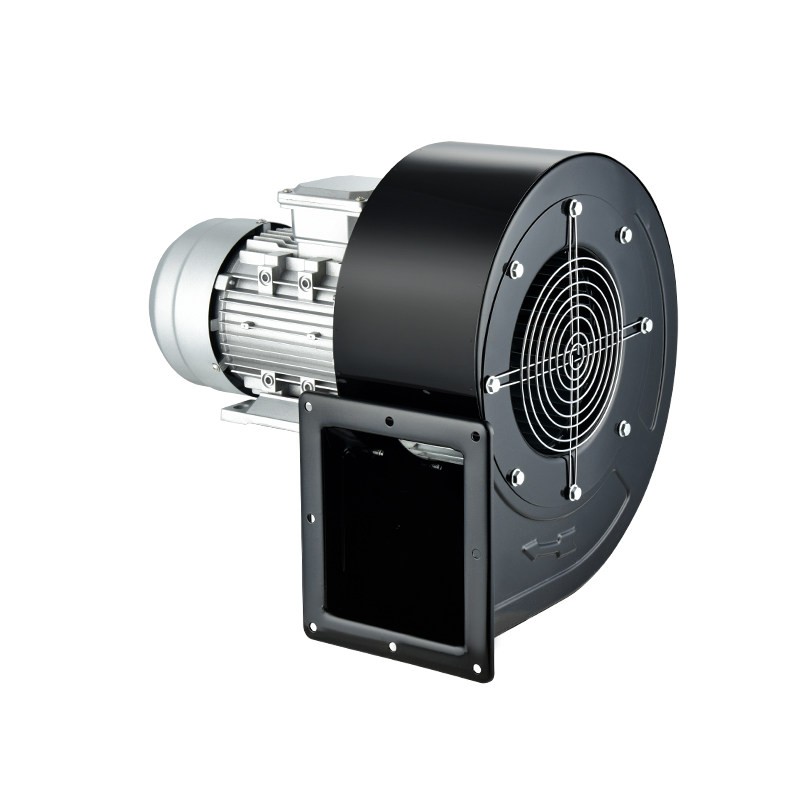
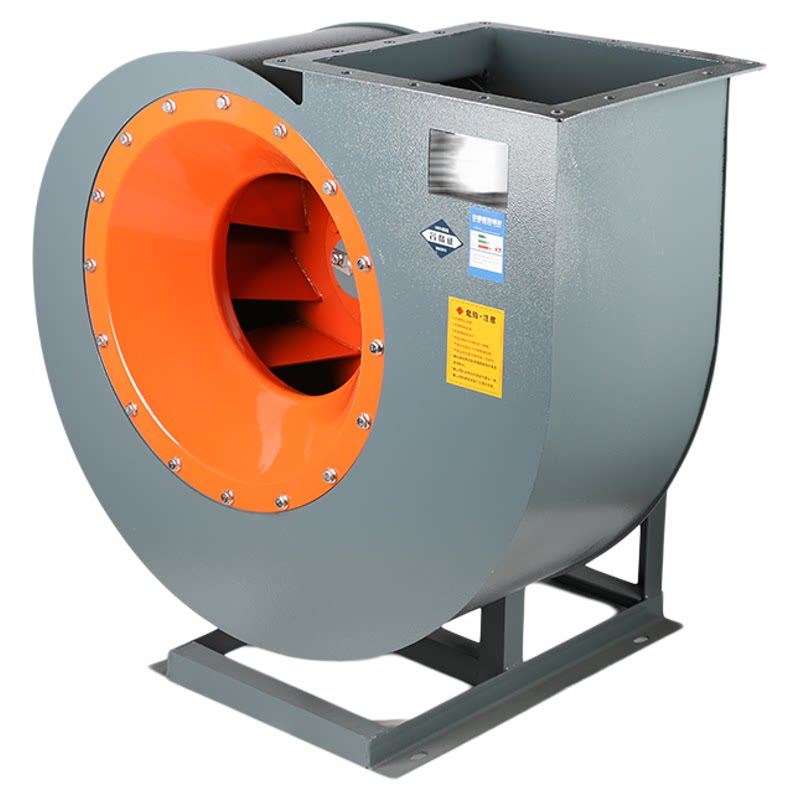
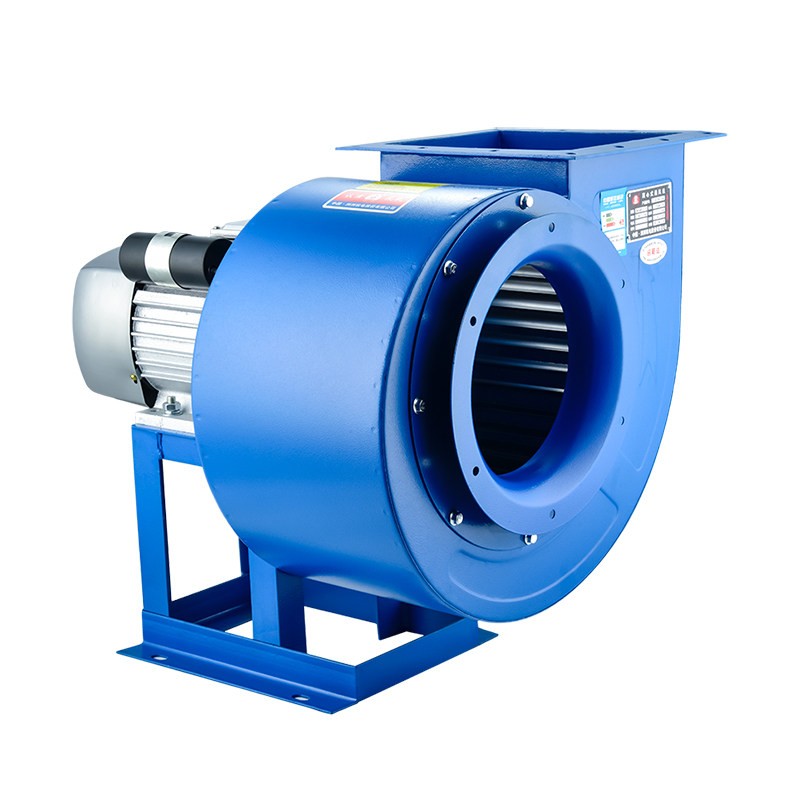
A square vent can work with more than one fan type. An axial arrangement may suit a short, low-resistance route, such as a direct wall opening. A centrifugal fan is worth reviewing when the square vent connects to longer ducting, bends, filters, hoods, or equipment. The selected catalog includes centrifugal models for factory, conveying, and kitchen uses. Compare these options against the duty point, not only against the square vent size.

  • For a direct square vent opening, check that the shutter and weather cover leave enough free area.
  • For ducted exhaust, list duct length, bends, filters, dampers, and discharge conditions before selecting a fan.
  • For a kitchen or occupied area, state the fan location and noise needs in the request.

A higher-pressure fan is not always better. It can be unnecessary for a short route. But a low-pressure option may not fit after restrictive components are added. The correct selection depends on airflow and resistance at the point of use.

Plan the Square Vent Connection

A square vent is useful for wall sleeves, grilles, plenums, and equipment panels. Fan connections may be round or rectangular. Add any transition to the layout early. An abrupt reduction, a tight elbow at the connection, or loose flexible duct can add resistance. Each item can change the airflow that reaches the square vent.

Confirm the opening width and height, wall thickness, flange detail, access space, and air direction. If the square vent needs a shutter or louver, state whether it is for intake or exhaust. Also list exposure to wind, rain, grease, dust, or heat. These are project conditions. A fan model name cannot answer them on its own.

Check the Air Conditions

Air conditions can narrow the choices for a square vent system. General industrial work may involve heat, dust, or long ducts. A kitchen route may involve grease and cleaning access. A process route may need review of gas type and particle load. Share these details before selecting a fan or square vent accessory. If the air stream is flammable, corrosive, or otherwise specialized, ask for an application-specific assessment. Do not assume a standard catalog unit fits.

Separate room temperature from the temperature at the fan inlet. A unit near a ceiling, heat source, or process enclosure can see a different condition from the rest of the room. State the expected peak condition and any service or mounting limits.

Send a Useful Selection Request

Include a sketch or photos of the square vent location, opening width and height, supply or exhaust direction, duct size and route, airflow target, and installed restrictions. List the air temperature, dust or grease condition, power supply, and noise or access needs. With these inputs, a project can compare a direct square vent arrangement with a ducted centrifugal option on the same basis.

When performance classification, ingress protection, or safety rules apply, identify the relevant standard category for the project market. Verify needed documents independently. This keeps square vent selection tied to real system conditions and leaves a clear list of items to confirm.

Square Vent Selection FAQ

Practical questions for planning a square opening and fan system.

How do I size a square vent opening?

Start with the airflow needed. Then allow for free area after the grille, louver, screen, damper, or filter is installed. The outer square vent size is not the same as open area. Also check pressure loss through the face part, the duct connection, and wall space. Provide dimensions, airflow, air direction, and a sketch when asking for advice. This gives a supplier a clearer basis for assessing the square vent arrangement.
Yes. A transition can connect a square vent or plenum to round ducting. Include it in the layout from the start. Abrupt changes, tight bends, and loose flexible links can add resistance. State the square vent size, duct size, available depth, and airflow direction. Select the fan for the complete connected system, not only for the square vent face.
Consider a centrifugal fan when a square vent forms part of a restrictive route with long ducts, bends, filters, hoods, dampers, or process equipment. These parts add pressure loss and affect delivered airflow. A short open route may need a different arrangement. Choose from the airflow required and estimated system resistance. Review operating conditions and mounting limits at the same time.
Send square vent width and height, intended use, airflow direction, airflow target, duct dimensions and length, major bends, and any louver, filter, damper, or weather cover. Include air temperature, dust or grease conditions, power supply, mounting location, and access limits. Photos or a simple sketch help. These facts separate a basic square vent opening from a pressure-capable ducted ventilation request.

Related article

6 inch extractor fan power and noise parameters need checking before ordering.

27

Oct

6 inch extractor fan power and noise parameters need checking before ordering.

Why Noise Performance Is Critical for 6 Inch Extractor Fan SelectionA quiet fan is not just a convenience—it determines whether users keep ventilation running. Because a 6 inch extractor fan often operates in bathrooms, kitchens, and laundry rooms, p...
View More
What certifications should a qualified centrifugal blower manufacturer provide?

28

Oct

What certifications should a qualified centrifugal blower manufacturer provide?

ISO 9001: The Foundational Quality Assurance for Every Centrifugal Blower Manufacturer How ISO 9001 Certification Ensures Consistent Design, Manufacturing, and After-Sales Support ISO 9001:2015 does not certify product performance—it validate...
View More
How to Choose the Right Aquaculture Aerator for Your Fish Farm (2026 Buying Guide)

14

Sep

How to Choose the Right Aquaculture Aerator for Your Fish Farm (2026 Buying Guide)

Paddle wheel, impeller or vortex? Learn how to size a pond aerator, cut energy costs and find a reliable aquaculture aerator manufacturer for your farm.
View More
Industrial Ventilation Fan Selection Guide: Axial vs Centrifugal vs Mixed Flow

14

Sep

Industrial Ventilation Fan Selection Guide: Axial vs Centrifugal vs Mixed Flow

Compare axial, centrifugal and mixed flow industrial ventilation fans by pressure, airflow and noise, and learn how to buy direct from a factory.
View More

Get a Free Quote

Our representative will contact you soon.
Email
Mobile/WhatsApp
Name
Company Name
Message
0/1000