Define the Job Before Choosing a Fan
A two way exhaust fan can mean different things. It may mean a fan used for supply or extraction, based on the system layout. It may also mean a layout with a separate intake and exhaust path. Before choosing a two way exhaust fan, list the needed air direction, the source of heat, moisture, dust, or fumes, and the safe discharge point. This keeps the product name from becoming the only buying rule.
Separate normal ventilation from a process or safety duty. A portable fan for temporary air movement is not always a replacement for a fixed duct system. If a task has safety rules, use qualified personnel to review the system and local requirements.
Check Airflow and Pressure Together
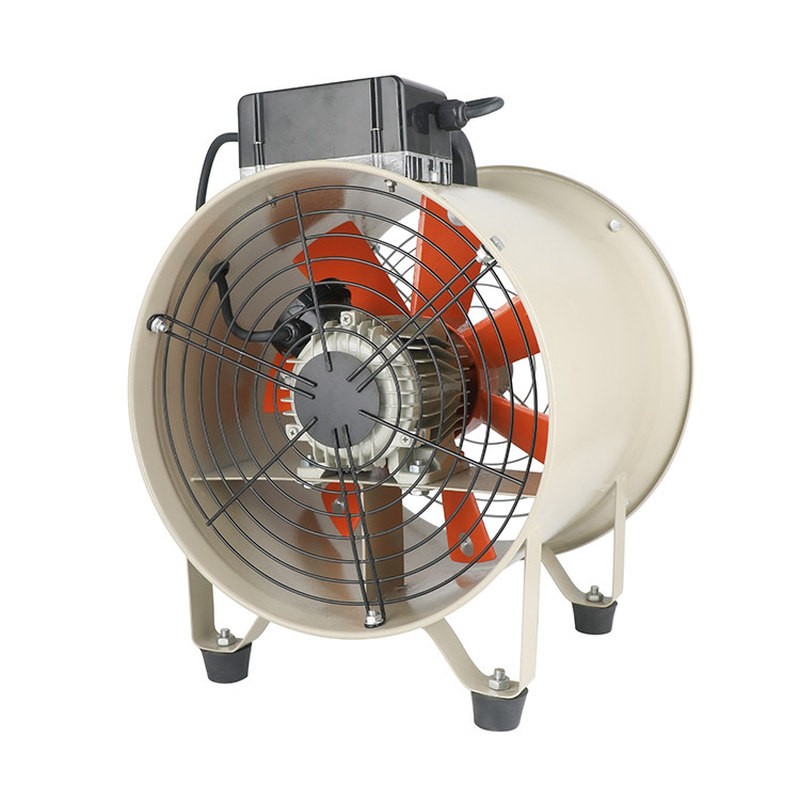
Airflow matters, but it is only one part of a two way exhaust fan decision. The fan must also work against resistance from ducts, elbows, filters, grilles, and equipment. The Aluminum Blade Axial Fan is listed at 39,000 m³/h for tobacco curing. The Portable Axial Flow Fan is listed at 10,000 m³/h for confined spaces. These are catalog facts. They do not confirm the duty point for another site.
- Start with an axial fan when the air path is open and needs high air movement.
- Review a centrifugal fan when ducts or parts in the system add static resistance.
- Measure the layout before assuming a rated airflow will reach the work area.
A two way exhaust fan needs both a target airflow and a pressure check. Duct resistance in a long run can change the air delivered at the end of the route. The right two way exhaust fan depends on airflow, static pressure, and the full route from inlet to outlet.
Match Fan Type to the Duty
For general ventilation with low resistance, an axial fan may fit. The portable axial model may fit temporary work where a unit is placed near the job and connected to ducting. Its catalog title identifies confined spaces as an application context. The actual entry process and site controls still need separate review.
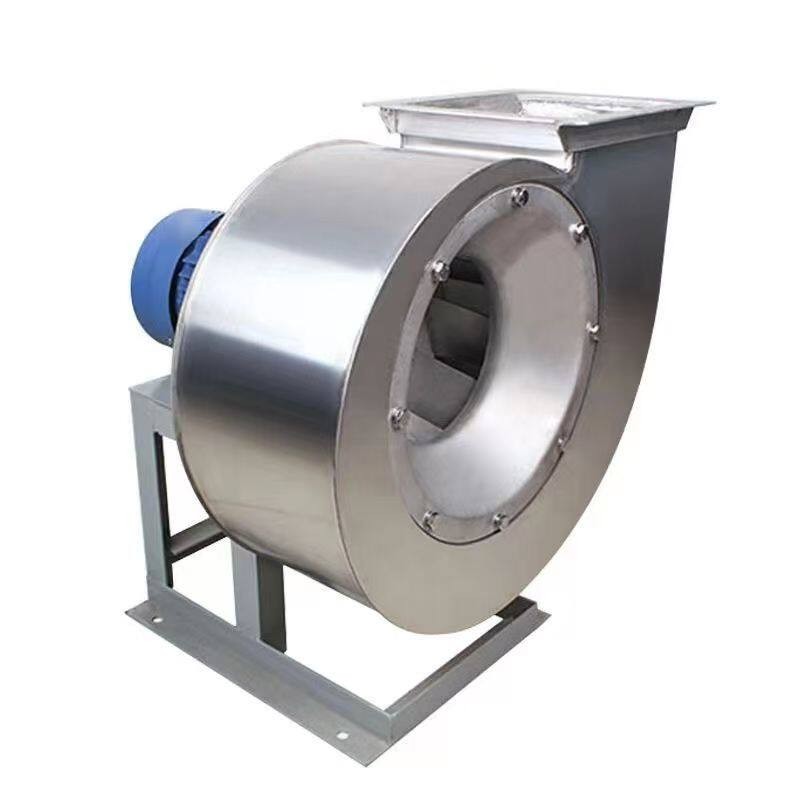
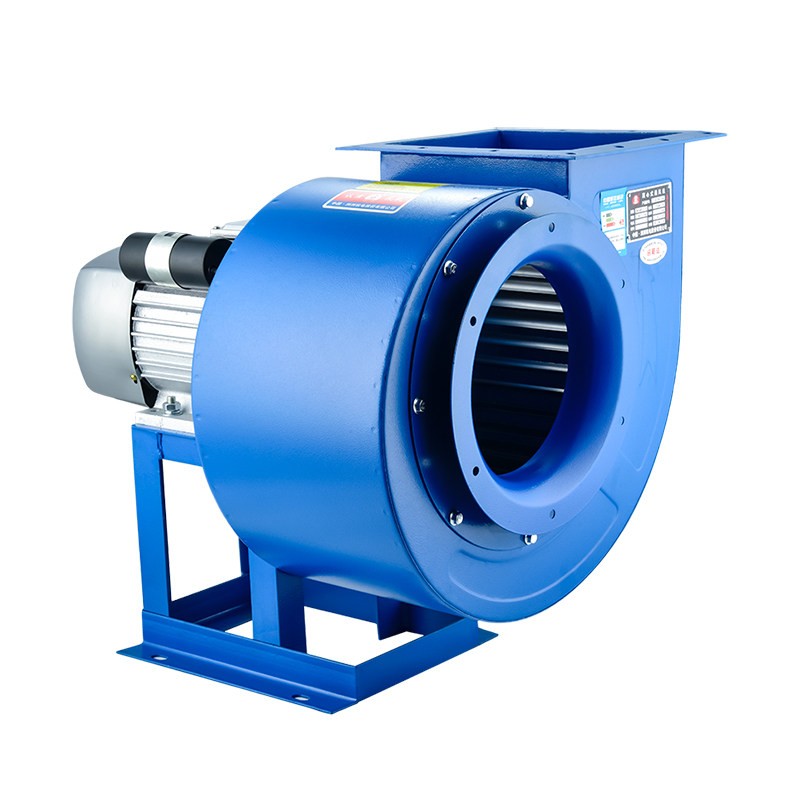
For a two way exhaust fan system with a more resistant route, centrifugal equipment may fit better. The selected 304 Stainless 4-72A Centrifugal Fan is listed at 2,500 Pa for chemicals. The selected 9-19 High-Pressure Centrifugal Fan is listed at 9,200 Pa for forging. These facts show different pressure classes. They are not an automatic recommendation. Check the airstream, temperature, dust level, materials, and power supply against the product record and site conditions.
Plan a Full Air Path
A two way exhaust fan plan needs a complete air path. Supply air needs a route to the work or process zone. Exhaust air needs a route out without being drawn back to the intake. Place inlets and outlets with the building layout and nearby openings in mind. Do not place the discharge where it can return to the supply side.
Long runs need extra care. Each bend, reducer, branch, and filter adds resistance. A high-speed axial fan on a long duct can create noise and pressure loss when the system runs. Review the layout before purchase. A higher-pressure fan type, a shorter route, or a larger duct may be the better fit.
Confirm the Installation Details
For a two way exhaust fan quote, collect voltage and frequency, mounting position, inlet and outlet size, duct connection, ambient temperature, airstream temperature, and service access. The selected centrifugal listings contain operating limits and application notes. Check the current product documents rather than using a general fan comparison.
- Record airflow and static pressure at the expected operating point.
- State if the air contains moisture, dust, fumes, or other materials.
- Leave access for inspection, cleaning, and service.
- Send the layout and duty details with a two way exhaust fan inquiry.
There is no single answer for every two way exhaust fan job. An open workshop, a short temporary task, and a high-resistance duct each need different selection steps. A clear duty description helps the supplier identify a suitable two way exhaust fan family.

 EN