2 Way Exhaust Fan Selection for Ventilation

Get a Free Quote

Our representative will contact you soon.
Email
Mobile/WhatsApp
Name
Company Name
Message
0/1000
2 Way Exhaust Fan Selection for Ventilation Projects

2 Way Exhaust Fan Selection for Ventilation Projects

A 2 way exhaust fan needs a clear air path before you choose a model. This 2 way exhaust fan page helps buyers compare axial, centrifugal, and cabinet options for kitchens, drying rooms, workshops, and similar projects. A 2 way exhaust fan may move air through a direct opening or through ducts with bends, hoods, filters, and grilles. Taizhou Zicheng Electromechanical Co., Ltd. offers axial and centrifugal fan types for these different tasks. For a 2 way exhaust fan project, confirm the room size, air route, power supply, heat, moisture, and duct resistance. These details help separate a simple air-moving duty from a ducted exhaust duty. Send the site sketch, duty point, and operating conditions to discuss a 2 way exhaust fan option and request a quote.
Get A Quote

Manufacturer Context for Fan Selection

Relevant manufacturing and product-range context for evaluating a project-specific ventilation option.

Direct Factory Production

Taizhou Zicheng Electromechanical Co., Ltd. manufactures the fan products it offers, supporting source-level quality control for axial, centrifugal, kitchen exhaust, and vortex blower product lines.

Multi-Type Fan Portfolio

The available portfolio covers axial and centrifugal fan types, including CF-11, 11-62, and PCF smoke exhaust fan options, helping multi-zone projects consider related equipment from one supplier.

Related products

Match Fan Type to Duct Resistance

Match Fan Type to Duct Resistance

In a 2 way exhaust fan layout, the air route matters as much as a rated airflow figure. An axial fan can suit a short, low-resistance path. A centrifugal or cabinet fan may suit duct runs with bends, filters, or hoods. Check the duty point before selecting a 2 way exhaust fan model.

Map the 2 Way Exhaust Fan Air Route

A 2 way exhaust fan can mean different things on different sites. It can describe two air paths, a supply-and-extract plan, or a buyer comparing fan directions. For each 2 way exhaust fan project, draw the route first. Mark the air entry, the heat or vapor source, the fan, and the discharge point. This gives the 2 way exhaust fan selection a clear starting point.

Do not choose a 2 way exhaust fan from airflow alone. A room may need high air volume, but the air still has to pass through the real installation. Ducts, elbows, grilles, hoods, and filters can add resistance. The final 2 way exhaust fan must suit both the air volume and the resistance in its path.

Set the Duty Point for the 2 Way Exhaust Fan

Start with room length, width, and height. Then note the heat source and the type of air being removed. Is the 2 way exhaust fan for general room air, kitchen vapor, warm drying air, or process exhaust? State the duct size, duct length, bend count, and outlet position. Add the available voltage and the mounting location.

  • List every duct part that can affect the 2 way exhaust fan duty point.
  • State whether the 2 way exhaust fan will handle moisture, grease, dust, or warm air.
  • Keep space around the 2 way exhaust fan for safe access and service.
  • Ask the project engineer to check local rules for the 2 way exhaust fan installation.

A rated value is not the same as delivered airflow. The 2 way exhaust fan operating point changes when system resistance rises. A fan curve and the actual layout should be checked together. This is more useful than choosing a 2 way exhaust fan by motor power or diameter alone.

Compare Axial and Centrifugal Options

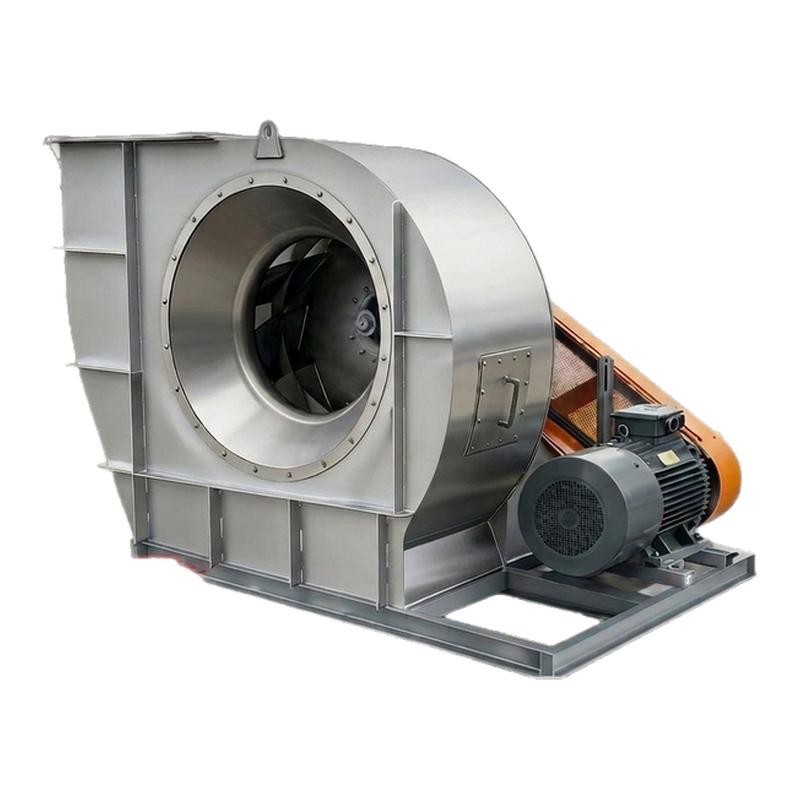
An axial option can be relevant when a 2 way exhaust fan moves a high volume of air along a short, open, or low-resistance route. The selected 304 stainless steel axial fan is listed for drying rooms. The selected aluminum blade axial fan is listed for tobacco curing. These examples show an axial approach, but the exact 2 way exhaust fan choice still depends on the site duty point.

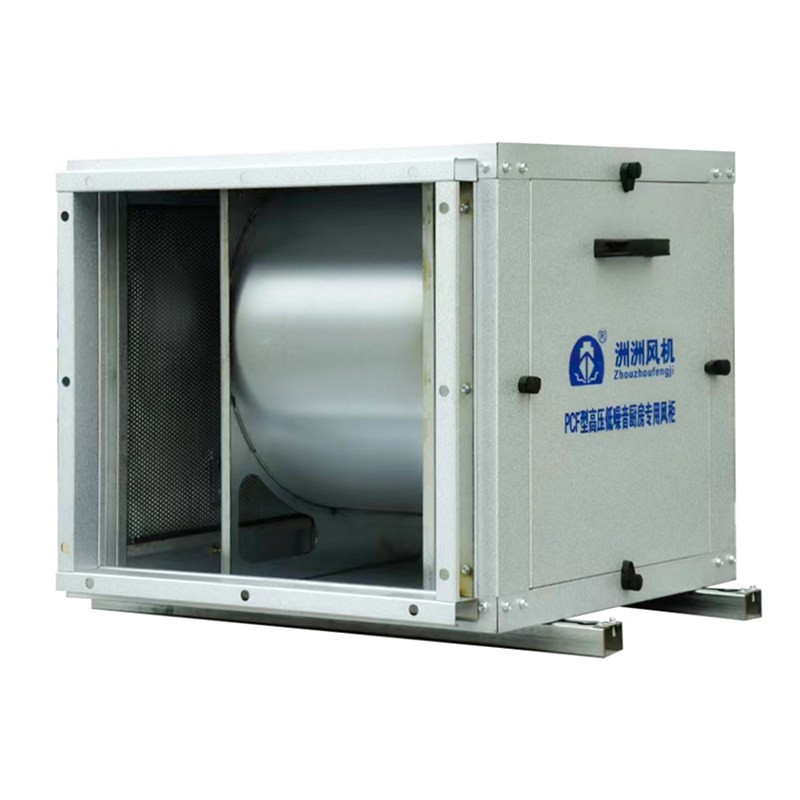
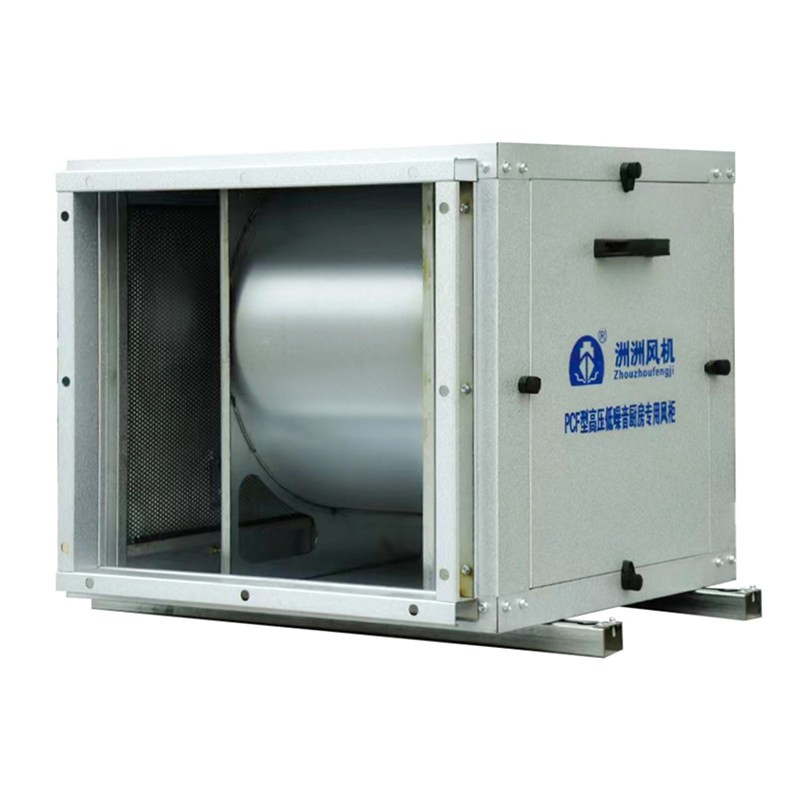
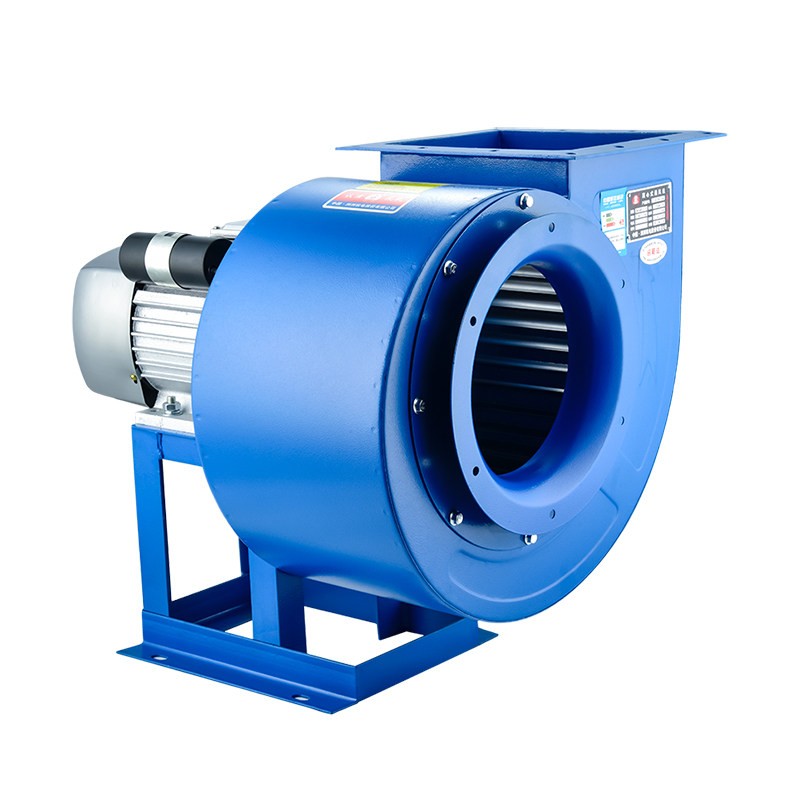
A centrifugal option can be relevant when a 2 way exhaust fan works with a more resistant duct path. The selected CF-11 multi-wing centrifugal fan is listed for kitchen use. The selected cabinet smoke exhaust fan is also listed for kitchen use and has 1,000 Pa in its product title. These product facts help a buyer frame questions, but they do not replace a project calculation for a 2 way exhaust fan.

Check Environment and Access

Heat, moisture, grease, cleaning, and dust affect a 2 way exhaust fan choice. The selected stainless steel axial fan is listed for drying rooms up to 200°C. The selected cabinet fan includes IP65 in its product title. Check whether the real 2 way exhaust fan site has matching conditions. Do not assume one version suits every location.

Plan access before installation. A 2 way exhaust fan needs room for inspection, cleaning, and connection checks. Put access points where a technician can reach the unit without removing unrelated work. Keep a record of cleaning and inspection work. Unusual noise or vibration should be checked promptly.

Balance Supply and Exhaust Air

A 2 way exhaust fan system also needs a route for replacement air. If the system removes air without make-up air, negative pressure can affect doors and nearby spaces. Consider supply and extract together. Do not place a discharge where it can return straight to the intake.

For a 2 way exhaust fan quotation, send the application, room dimensions, airflow target, estimated static pressure, duct sketch, voltage, temperature range, and material concerns. These facts help compare an axial, centrifugal, or cabinet option. They also help show which points need review by the project engineer.

2 Way Exhaust Fan FAQ

Questions buyers commonly ask when planning a two-way ventilation layout.

What should a 2 way exhaust fan layout include?

A 2 way exhaust fan layout should show where air enters, where it leaves, and where heat, moisture, odor, or process air begins. Mark the fan, ducts, bends, hoods, and discharge point. The phrase can describe different arrangements, so confirm the intended air direction before you select a model. Room volume, duct length, and access space are useful inputs. Include local safety and installation requirements in the project review. A clear sketch makes a 2 way exhaust fan discussion more useful for both the buyer and the supplier.
A centrifugal 2 way exhaust fan may be useful when long ducts, bends, filters, or hoods create resistance. The correct option depends on the needed airflow and static pressure at the working point. An axial 2 way exhaust fan may be a better starting point for a direct and low-resistance route. Compare the fan curve with the layout rather than selecting by fan category alone. Give the supplier a duct sketch and duty point. The project engineer should confirm that the selected arrangement suits the installation.
For a 2 way exhaust fan, share room dimensions, application type, airflow goal, duct size, duct length, bends, filters, hoods, voltage, mounting point, and ambient temperature. State whether the air contains grease, moisture, dust, or corrosive material. Those facts can affect the 2 way exhaust fan material and design choice. Photos and a simple airflow sketch can help too. This is a stronger basis for selection than a headline airflow value, motor size, or fan diameter on its own.
Maintain a 2 way exhaust fan according to its product instructions and the site conditions. Inspect guards, fasteners, duct joints, and accessible surfaces. Clean deposits safely, especially where the air stream contains grease or dust. Isolate power before service and follow applicable safety procedures. Record cleaning and inspection dates so repeat issues can be identified. If the room use or duct layout changes, check whether the 2 way exhaust fan still matches the duty point. Seek qualified support if unusual vibration or noise continues.

Related article

What factors cause bellows cracking under repeated thermal expansion cycles?

26

Oct

What factors cause bellows cracking under repeated thermal expansion cycles?

Root-Originated Fatigue: Why Convolution Roots Dominate Bellows FailureCrack Initiation Mechanism Under Cyclic Thermal StrainWhen a metal bellows absorbs repeated thermal expansion, each convolution flexes—and the root radius becomes the highest-stra...
View More
6 inch extractor fan power and noise parameters need checking before ordering.

27

Oct

6 inch extractor fan power and noise parameters need checking before ordering.

Why Noise Performance Is Critical for 6 Inch Extractor Fan SelectionA quiet fan is not just a convenience—it determines whether users keep ventilation running. Because a 6 inch extractor fan often operates in bathrooms, kitchens, and laundry rooms, p...
View More
What certifications should a qualified centrifugal blower manufacturer provide?

28

Oct

What certifications should a qualified centrifugal blower manufacturer provide?

ISO 9001: The Foundational Quality Assurance for Every Centrifugal Blower Manufacturer How ISO 9001 Certification Ensures Consistent Design, Manufacturing, and After-Sales Support ISO 9001:2015 does not certify product performance—it validate...
View More
Industrial Ventilation Fan Selection Guide: Axial vs Centrifugal vs Mixed Flow

14

Sep

Industrial Ventilation Fan Selection Guide: Axial vs Centrifugal vs Mixed Flow

Compare axial, centrifugal and mixed flow industrial ventilation fans by pressure, airflow and noise, and learn how to buy direct from a factory.
View More

Get a Free Quote

Our representative will contact you soon.
Email
Mobile/WhatsApp
Name
Company Name
Message
0/1000