Gravity Vent Selection for Industrial Airflow

Get a Free Quote

Our representative will contact you soon.
Email
Mobile/WhatsApp
Name
Company Name
Message
0/1000
Gravity Vent Selection for Industrial Airflow Needs

Gravity Vent Selection for Industrial Airflow Needs

A gravity vent is a passive opening for warm air, moisture, or process air. A gravity vent works when the building, the air path, and outdoor conditions allow air to move. It can help in a factory, store area, farm structure, or commercial space. Yet a gravity vent does not add pressure. It may not suit a long duct run or a path with filters and equipment. This page helps buyers compare a gravity vent with powered fan support. Taizhou Zicheng Electromechanical Co., Ltd. makes axial and centrifugal fan types for ventilation projects. Review the air path, needed airflow, duct layout, temperature, and air condition first. Then decide if a gravity vent can serve the duty or if a fan is needed. Send your site details for a gravity vent and fan discussion.
Get A Quote

Manufacturer Context for Fan Selection

Useful supplier context for a gravity vent and powered-airflow plan.

Direct Fan Manufacturing

Taizhou Zicheng Electromechanical Co., Ltd. is a manufacturer with direct factory production capability for the fan products offered. Buyers can discuss fan fit with a direct source when a gravity vent plan also needs powered airflow.

Broad Fan Product Range

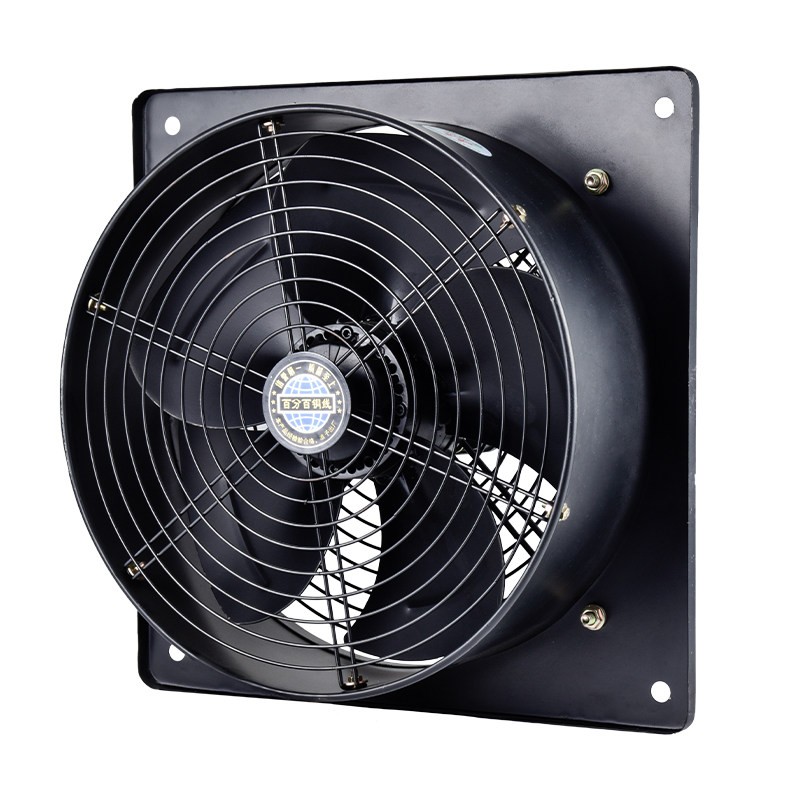
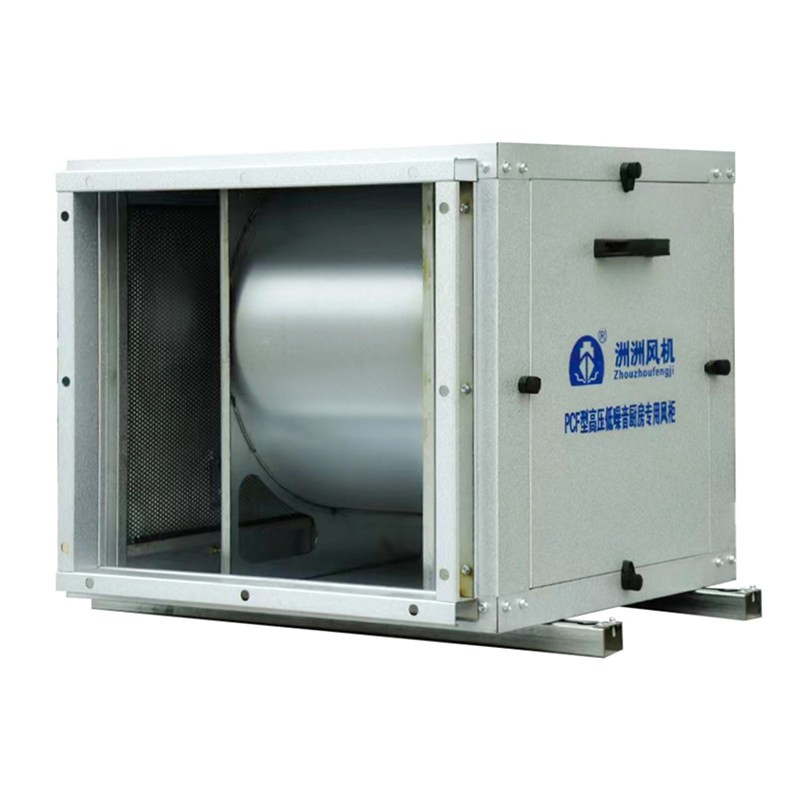
The portfolio includes axial fan types, centrifugal fan types, kitchen exhaust fans, and vortex blowers. Buyers can review fan options for several zones when a gravity vent is only one part of the air system.

Related products

Check Passive Airflow Pressure

Check Passive Airflow Pressure

A gravity vent can let warm air rise and leave when site conditions support it. Wind, outdoor temperature, and other openings can change the result. A gravity vent cannot push air through a long duct, filter, or process unit. Check the needed pressure before you rely on a gravity vent. A centrifugal fan may fit if the air path has real resistance.

Map the Gravity Vent Air Path

A gravity vent is a passive part of an air system. It works because warm air can rise and pressure can differ from one place to another. The effect can change during the day. It can also change with wind. For this reason, a gravity vent needs a clear route for air to enter and leave.

Start with a simple site map. Mark the gravity vent, doors, windows, roof openings, and the work area. Mark heat sources too. This shows if fresh air can replace the air that leaves. It also shows if a nearby opening may create a short air path. A short air path can leave the far end of a building with little air movement.

For a new site, note room size, heat sources, opening size, and the intended air direction. For an old site, inspect ducts, bends, dampers, and added equipment. A gravity vent may help general air relief. It may not give the same result once a system gains more resistance.

Know When a Fan Is Needed

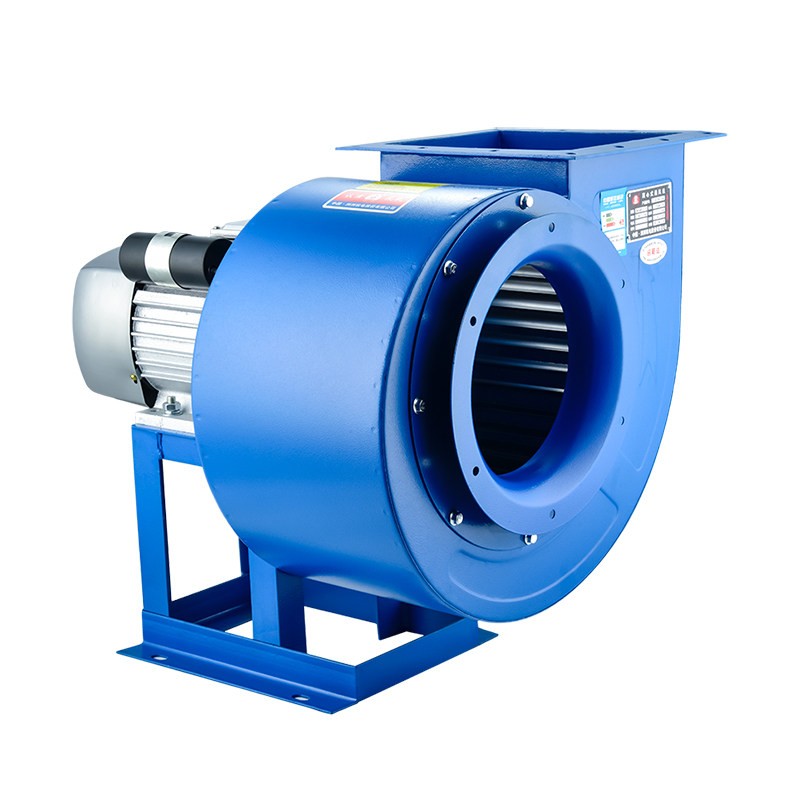
A gravity vent does not make pressure. This is the key limit. Long ducts, filters, grilles, bends, and process units all resist airflow. In these cases, a gravity vent may be one useful opening, but it may not be the only answer. A centrifugal fan can add pressure to move air through a resistant path.

  • Use a gravity vent for a simple passive air route when the building layout supports it.
  • Use the expected airflow and static pressure to check if a fan is needed.
  • Compare the fan curve with the real duct layout, not just a maximum airflow value.
  • Keep access points for later checks of airflow, pressure, and dirt buildup.

There is no one best choice for every site. A short, open route may work with a gravity vent. A long or blocked route may need a fan. The correct choice depends on the airflow needed at the point of use.

Check the Air and Site Conditions

Check what the system moves. It may be clean air, humid air, dust-bearing air, or a process gas. Check the inlet temperature and the particle level. Check if the gas suits the fan material. These checks should happen before a model is chosen.

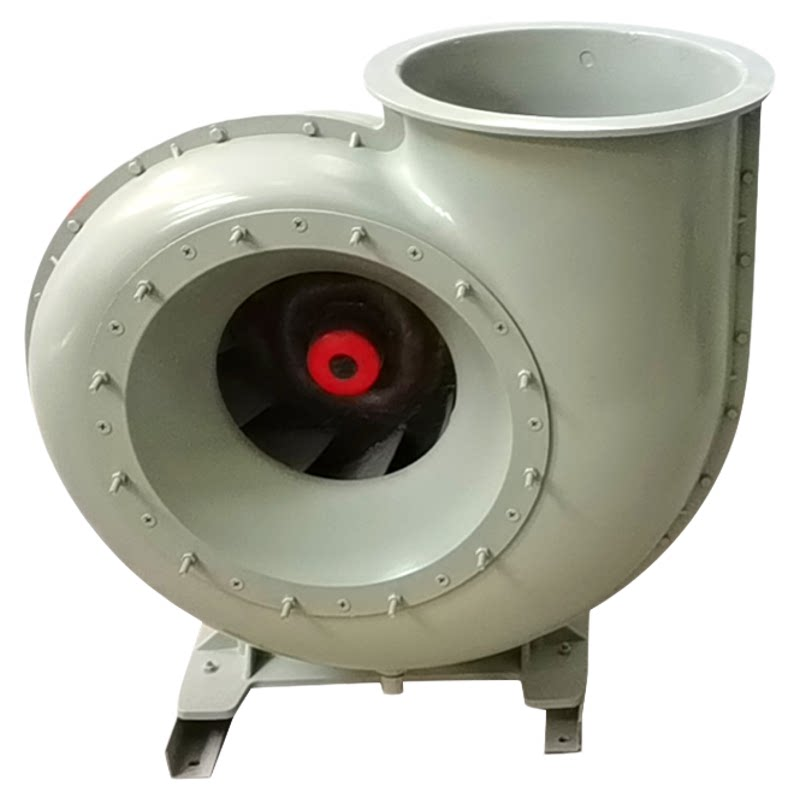
The selected 4-72A products are centrifugal fan options for industrial ventilation. The stainless 4-72A record names a 304 stainless steel housing. It lists a maximum gas temperature of 80°C and a particle limit of 150 mg/m³. The carbon-steel 4-72A record also lists an 80°C gas temperature limit and up to 150 mg/m³ of particles. Check the real site data against the product record.

Plan the Gravity Vent With the Fan

Treat a gravity vent as one part of the whole route. Put each gravity vent where it will not pull air straight from a nearby opening. Plan where make-up air enters. Think about doors, weather, and shifts in production. If a fan is used, make sure the gravity vent does not create an unwanted bypass.

The 9-19 and 9-26 products are high-pressure centrifugal fan options. Their records list pressure up to 9,200 Pa. The records also list industrial forced ventilation or conveying uses. That pressure is not needed for every gravity vent project. It matters when the system needs controlled airflow through a resistant route.

Send a Clear Project Brief

Send the supplier the needed airflow, static pressure, duct size, duct route, voltage, inlet temperature, air type, mounting space, and service access. State what is known and what needs a site check. If a rule applies to the installation, review the relevant standard category with the project team. Confirm the exact requirement before you buy.

A clear brief helps engineering, procurement, and operations use the same facts. It also helps the team decide if a gravity vent is enough, if a fan should support the gravity vent, and which fan range matches the stated duty point.

Gravity Vent Questions for Project Buyers

Practical answers on gravity vent openings and powered industrial airflow.

What is the main purpose of a gravity vent?

A gravity vent is a passive opening that helps air leave a building. It uses natural pressure differences, such as warm air rising. Wind and the location of other openings can change how a gravity vent works. It can support general ventilation when replacement air has a clear path into the space. Do not assume a gravity vent gives a fixed airflow rate in every season or weather condition. Define the air route and the duty before you select the system.
Add a centrifugal fan when a gravity vent must work with long ducts, filters, bends, louvers, or equipment. Those parts add resistance. A gravity vent cannot add pressure to overcome that resistance. Check the needed airflow and static pressure first. Then compare the fan curve with the actual duct route. A high-pressure fan is not always the right fit. It must match the duty point and the site conditions, not just have a high maximum pressure.
Provide the building size, target airflow, duct size, duct route, estimated static pressure, inlet temperature, air type, power supply, and mounting space. List filters, dampers, hoods, and process units. They can add resistance. For an existing gravity vent system, also state where airflow is weak or changes after a filter loads. Measured data helps a supplier match a model to the system. It is more useful than selecting a product from a name alone.
Check material and temperature against the chosen product record. The listed 4-72A records state limits for gas temperature and particle content. The stainless version also names a 304 stainless steel housing. These facts do not make one version right for every gravity vent project. Confirm the air chemistry, dust level, fan inlet temperature, and corrosion exposure. If safety or regulatory rules apply, verify the relevant standard and the site requirement before ordering.

Related article

What factors cause bellows cracking under repeated thermal expansion cycles?

26

Oct

What factors cause bellows cracking under repeated thermal expansion cycles?

Root-Originated Fatigue: Why Convolution Roots Dominate Bellows FailureCrack Initiation Mechanism Under Cyclic Thermal StrainWhen a metal bellows absorbs repeated thermal expansion, each convolution flexes—and the root radius becomes the highest-stra...
View More
What certifications should a qualified centrifugal blower manufacturer provide?

28

Oct

What certifications should a qualified centrifugal blower manufacturer provide?

ISO 9001: The Foundational Quality Assurance for Every Centrifugal Blower Manufacturer How ISO 9001 Certification Ensures Consistent Design, Manufacturing, and After-Sales Support ISO 9001:2015 does not certify product performance—it validate...
View More
How to Choose the Right Aquaculture Aerator for Your Fish Farm (2026 Buying Guide)

14

Sep

How to Choose the Right Aquaculture Aerator for Your Fish Farm (2026 Buying Guide)

Paddle wheel, impeller or vortex? Learn how to size a pond aerator, cut energy costs and find a reliable aquaculture aerator manufacturer for your farm.
View More
Industrial Ventilation Fan Selection Guide: Axial vs Centrifugal vs Mixed Flow

14

Sep

Industrial Ventilation Fan Selection Guide: Axial vs Centrifugal vs Mixed Flow

Compare axial, centrifugal and mixed flow industrial ventilation fans by pressure, airflow and noise, and learn how to buy direct from a factory.
View More

Get a Free Quote

Our representative will contact you soon.
Email
Mobile/WhatsApp
Name
Company Name
Message
0/1000