Set the Cabinet Exhaust Fan Duty Point
A cabinet exhaust fan is part of a system. This cabinet exhaust fan is not a stand-alone item. Start with the air volume needed at the pick-up point. Then find the pressure that the cabinet exhaust fan must overcome. This cabinet exhaust fan pressure is a design input. Include duct friction, elbows, filters, dampers, louvers, and the hood or enclosure. A cabinet exhaust fan that looks right at free air may not suit the final duct route.
Write down the job details before you compare models. State if the cabinet exhaust fan removes room air, heat, kitchen air, or dust-bearing air. State where it will sit and where air will leave the site. Include the cabinet footprint, inlet and outlet direction, service space, voltage, frequency, and noise target. These details help make a fair cabinet exhaust fan comparison.
Pick the Fan Type for the Real Resistance
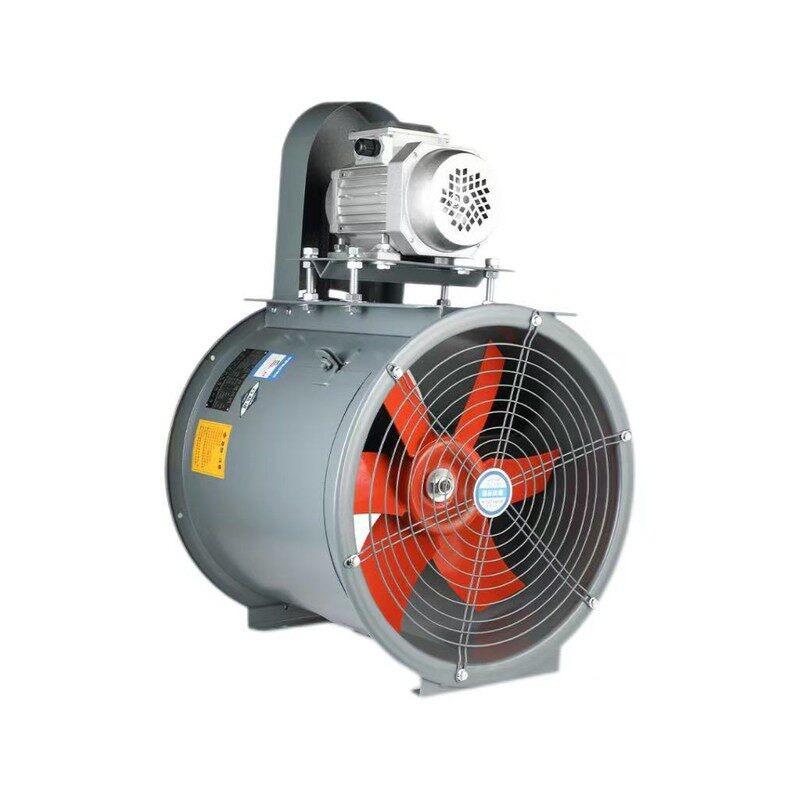
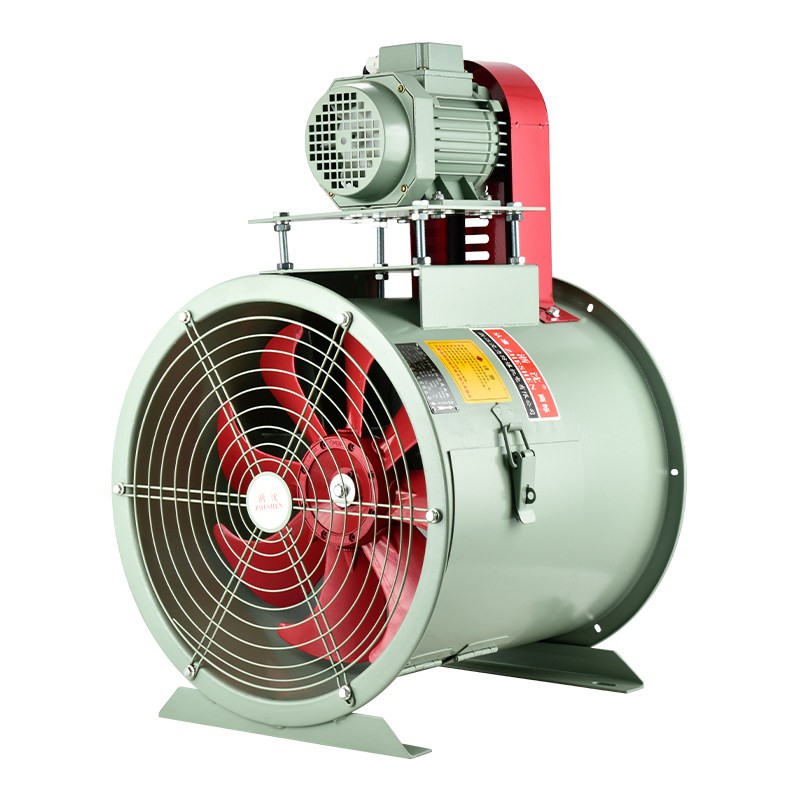
There is no one fan type for every job. A cabinet exhaust fan should match both airflow and pressure. Axial fans can suit short, open routes with low loss. Centrifugal fans are often reviewed when a cabinet exhaust fan must work with a long duct, filters, many fittings, or process equipment. The duct path decides more than a cabinet exhaust fan name does.
- Use airflow and static pressure together when you ask for a cabinet exhaust fan selection.
- Check the fan curve at the planned duty point. Peak flow and peak pressure are not the same point.
- Allow for service changes. A loaded filter can raise system resistance.
- Keep the duct route direct where possible. Sharp elbows can add loss and noise.
Check the Air and the Site
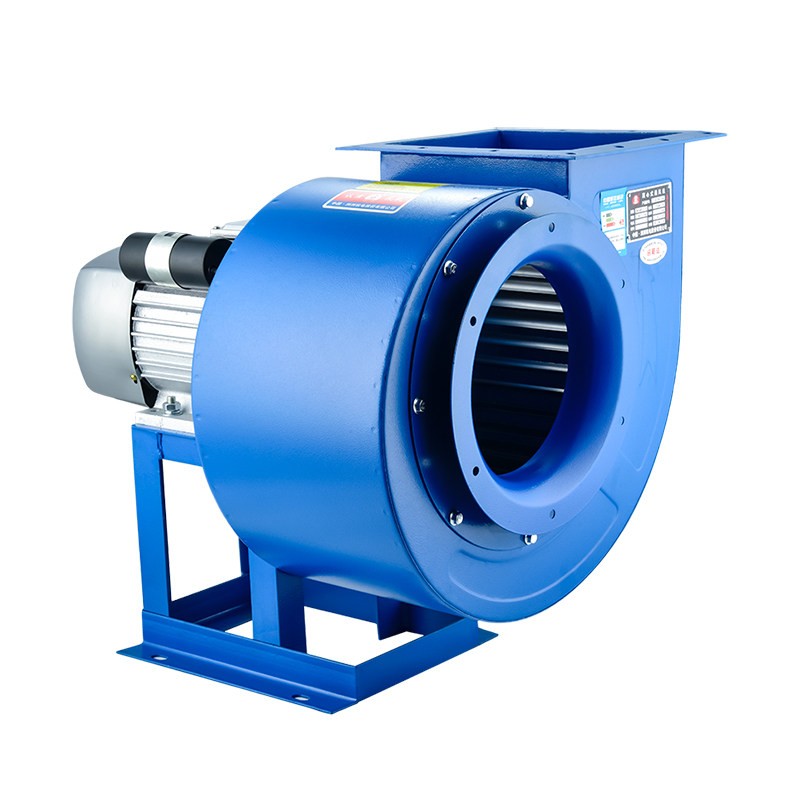
A cabinet exhaust fan needs materials that fit its air stream. The selected 304 Stainless 4-72A Centrifugal Fan is catalogued for chemicals. The Carbon Steel 4-72A Centrifugal Fan is catalogued for factories. Use the actual humidity, corrosion risk, dust, temperature, and cleaning method to guide the choice. Do not select material by looks alone.
The listed 4-72A product records state a maximum gas temperature of 80°C and a particulate limit of 150 mg/m³ within their stated use limits. Those figures are not a full project review. A cabinet exhaust fan near hot equipment needs a check of the worst normal inlet condition. Dust loading can also change over time. Measure or estimate those conditions before a final choice.
Lay Out the Cabinet for Service
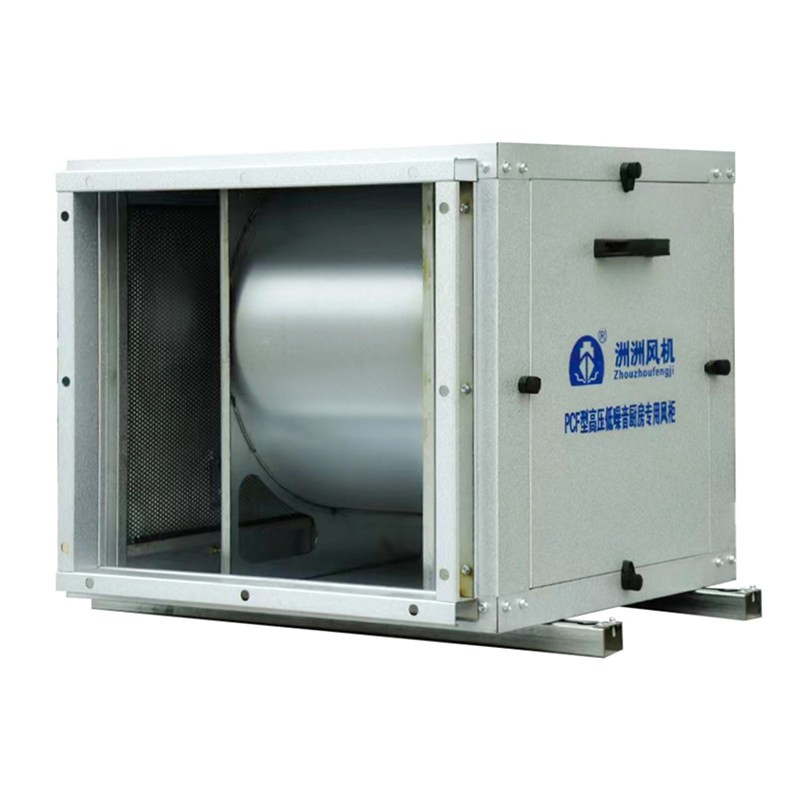
A cabinet exhaust fan needs a clear air path and safe service space. Do not place screens, filters, or baffles too close to the inlet. They can disturb cabinet exhaust fan inlet flow. Leave room to clean filters, inspect fasteners, check mounts, and review duct joints. If the cabinet has sound lining, keep it clear of moving parts and the planned inlet area.
Mounts and duct connections can affect vibration in the structure. Use suitable supports and align the duct with the cabinet exhaust fan connection. Flexible connectors may help reduce strain at the joints. These steps do not promise a noise result. For noise control, review fan speed, cabinet lining, duct breakout, nearby rooms, and the discharge route.
Compare the Listed Centrifugal Choices
The four products here are current catalog choices for industrial ventilation review. The two 4-72A choices show 2,500 Pa in their titles. The 9-19 and 9-26 choices are high-pressure centrifugal fans with 9,200 Pa in their titles. This is a starting point for a cabinet exhaust fan discussion. It is not a universal recommendation. A higher-pressure fan may be a poor fit for a low-loss route. A lower-pressure fan may not suit a long, restrictive route.
For a cabinet exhaust fan inquiry, provide target airflow, estimated static pressure, a duct sketch, air temperature, air description, electrical supply, cabinet size, and material preference. These inputs help determine whether one listed centrifugal option or another fan type should be reviewed for the project.

 EN