Start With the Plastic Blower Job
A plastic blower can do more than one job. It may move plastic granules. It may supply air to a work zone. It may draw air from a duct. These jobs need different fan types. Define the plastic blower job before you compare models. State what moves in the line. State where the air starts and ends. State if the fan must push or pull.
Give the needed air flow. Give the needed static pressure. Give the duct size and total length. Mark bends, filters, valves, and joints. Each part can add loss. A plastic blower that looks large at its outlet may not meet the duty point at the far end of a long line.
Use Pressure and Flow Together
For a ducted line, a plastic blower needs a pressure and flow match. Do not choose from flow alone. The 9-26 High-Pressure Centrifugal Fan is one plastic blower option for conveying. Its published data lists up to 9,200 Pa and 7,000 m³/h. It also lists motor power from 0.75 kW to 30 kW. The product data says it can work in suction or blowing mode.
For a plastic blower line, map each change in the duct. Long runs add loss. Tight bends add loss. A filter can add loss as it loads. A simple duct sketch is useful. It gives a centrifugal fan selection discussion a clear base. It also helps avoid a fan that is too small for the line.
- State the flow needed at the use point.
- State the pressure at that same flow.
- List all duct parts that add loss.
- State if the plastic blower will pull or push.
- Share the run time for each day.
Check the Air Stream First
A plastic blower must suit the stream it handles. The 9-26 product record states limits for its use. The medium should be non-corrosive, non-self-igniting, and non-viscous. The listed maximum medium temperature is 80°C. Dust and hard particles should not exceed 150 mg/m³. These facts apply to that listed plastic blower. They do not apply to all fans.
Do not guess if your stream falls outside these limits. Share the true temperature. Share the dust level. Share any gas or vapor in the line. This gives the supplier the facts needed for a plastic blower review. It also makes centrifugal fan selection more useful for the project team.
Compare Fan Types by Use
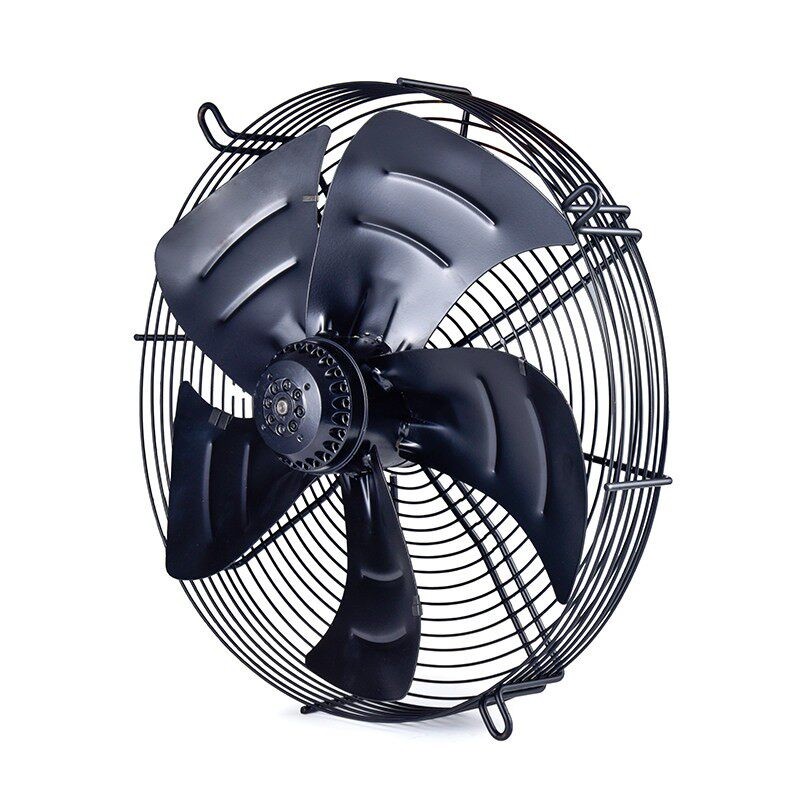
A centrifugal plastic blower may suit a fixed duct or conveying job. The selected 4-72A options offer another basis for ducted air work. The carbon steel and 304 stainless models both list up to 2,500 Pa and 20,000 m³/h. Material choice should match the real site and gas stream. Do not pick a housing only from the name of the process.
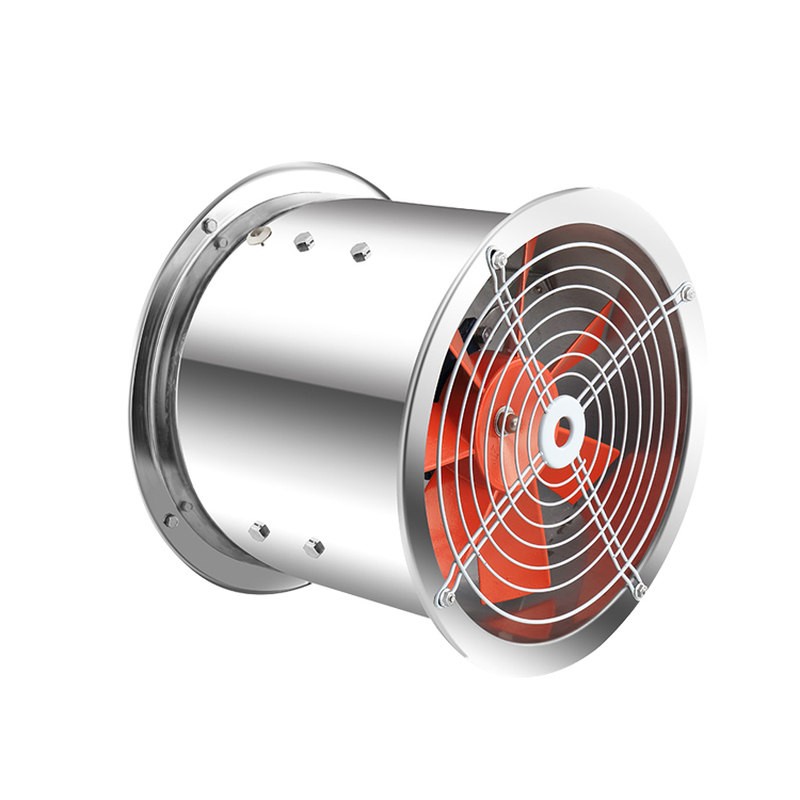
A portable axial fan solves a different need. The Portable Axial Flow Fan is listed at 3,000–10,000 m³/h. It can connect to telescopic air ducts. This can help with short-term air work in an enclosed space. It is not a direct swap for a fixed plastic blower on a material line. A permanent process line needs its own duty-point review.
Plan a Better Request
For a plastic blower quote, send the material name and process step. Send the airflow, pressure, duct sketch, heat, dust data, power supply, and site space. Tell the team if the need is conveying, air supply, or extraction. Include the run time. These inputs guide an industrial ventilation fan review. They also let the supplier compare a plastic blower option with a suitable fan type.
When a project has rules for safety, material, or use, identify the relevant standard category with the project team. Do not rely on an untested claim. A clear request makes plastic blower selection easier. It also gives the buyer a better basis for a quote and later system design.

 EN