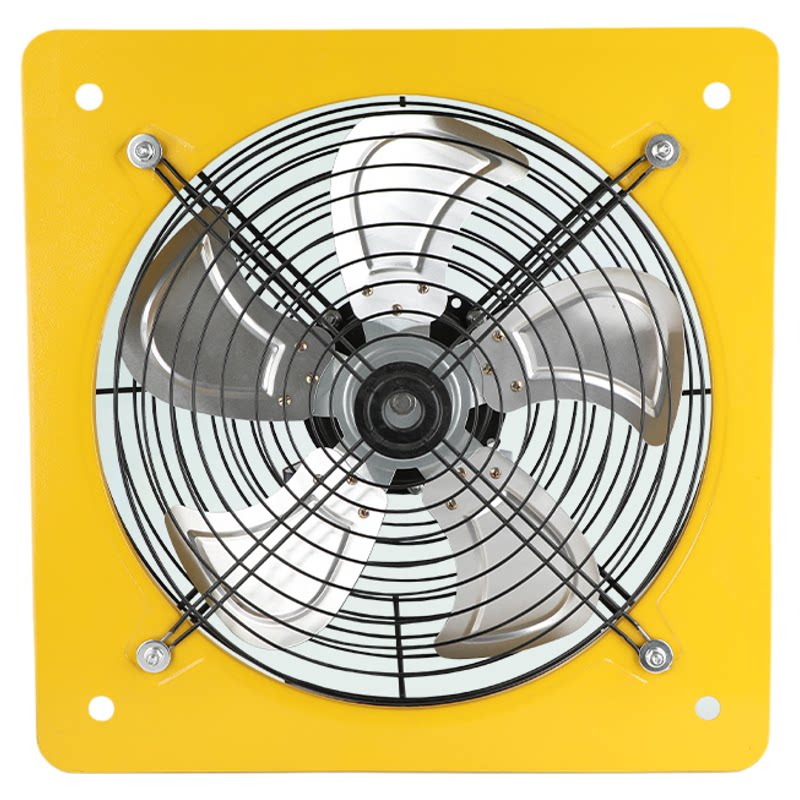
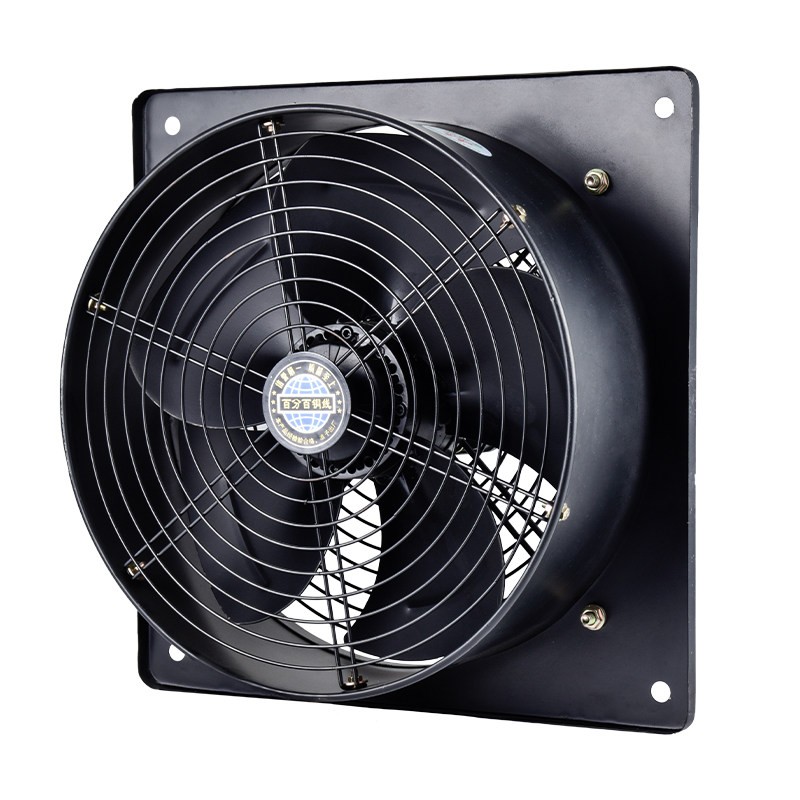
Set the Duty Point First
An industrial gas blower needs clear duty data. Start with the flow needed where the air is used. Then add the loss from each part of the system. Ducts add loss. Bends add loss. Filters add loss. Hoods and valves also add loss. These parts set the static pressure. The flow and pressure form the duty point. An industrial gas blower should be checked at that point.
Do not pick an industrial gas blower from free-air flow alone. Free-air flow does not show how the fan will act in a long duct run. A duct sketch helps. So does a list of duct size, length, bends, and filters. Say if the fan will pull air, push air, or move gas in a pipe. This gives a sound base for a fan talk.
Check the Gas Before You Select
Each industrial gas blower has an allowed gas range. The selected 4-72A records describe air and non-self-igniting gases. They list gas heat up to 80°C. They list dust and hard particles up to 150 mg/m³. An industrial gas blower for this range still needs a check against the real site data.
Do not treat a standard fan as a fit for all gas. A corrosive gas needs a full review. A flammable gas needs a full review. A hot gas needs a full review. A sticky gas needs a full review. High dust also needs a full review. Tell the supplier about peak heat, not just the usual heat. Tell them about a start-up, clean-out, or upset if it can change the gas stream.
Use Pressure to Narrow the Choice
Static pressure selection helps sort fan groups. The chosen 4-72A records list up to 2,500 Pa. The chosen 9-19 and 9-26 records list up to 9,200 Pa. This does not make one industrial gas blower best for all work. It shows that the fan group must match the real system load.
An industrial centrifugal fan can suit duct work that needs pressure at a set flow. Ask for data at the needed duty point. Do not use a peak rating as the only guide. The system may change over time. A new filter can raise loss. A longer duct can raise loss. A dirty filter can also raise loss. Plan for known changes before you set the motor and fan.
- List all duct runs, bends, hoods, dampers, and filters.
- State the flow needed at the use point.
- Say how and where pressure was measured or worked out.
- Note later changes that can add system loss.
Pick the Right Build and Layout
The selected range has a 304 stainless 4-72A fan and a carbon-steel 4-72A fan. An industrial gas blower material choice must be tied to the real gas and the site. Gas mix, wet air, wash-down, and access all matter. A material name alone does not prove that a fan is right for a process.
Layout matters too. The 4-72A records list A, B, C, and D forms. Give the inlet and outlet path. Give the space on each side. Give the duct size. Tell the supplier if a tech must reach the motor or wheel in a tight spot. An industrial gas blower that fits the flow but cannot be linked or serviced is not a full fit.
Send a Clear Request
A clear RFQ makes the review faster. State flow, static pressure, gas type, max gas heat, dust load, voltage, run time, and space. Add a simple duct plan. Add inlet and outlet sizes. If this is a swap, state the old fan model and the fault you see. An industrial gas blower quote is more useful when these facts are in the first request.
For a team that must keep a plant running, the duty point and access plan can matter more than a top flow number. Ask how the proposed industrial gas blower fits the listed conditions. Then check the final choice against the project needs before you buy.
Industrial Gas Blower Project Review
For each industrial gas blower project, confirm the duty point. An industrial gas blower needs the right flow. An industrial gas blower needs the right pressure. An industrial gas blower also needs a gas check. Use the industrial gas blower data sheet with the site data. Compare each industrial gas blower option with the duct plan. A project team can ask about an industrial gas blower before ordering. The industrial gas blower inquiry should state the gas type. The industrial gas blower inquiry should state the heat limit. The industrial gas blower inquiry should state the dust condition. This lets the industrial gas blower discussion stay tied to real conditions. It also helps compare an industrial gas blower with the planned layout. Check the industrial gas blower build and access plan. Check industrial gas blower voltage before the final choice. Keep the industrial gas blower request clear. A clear industrial gas blower request supports a sound review.

 EN