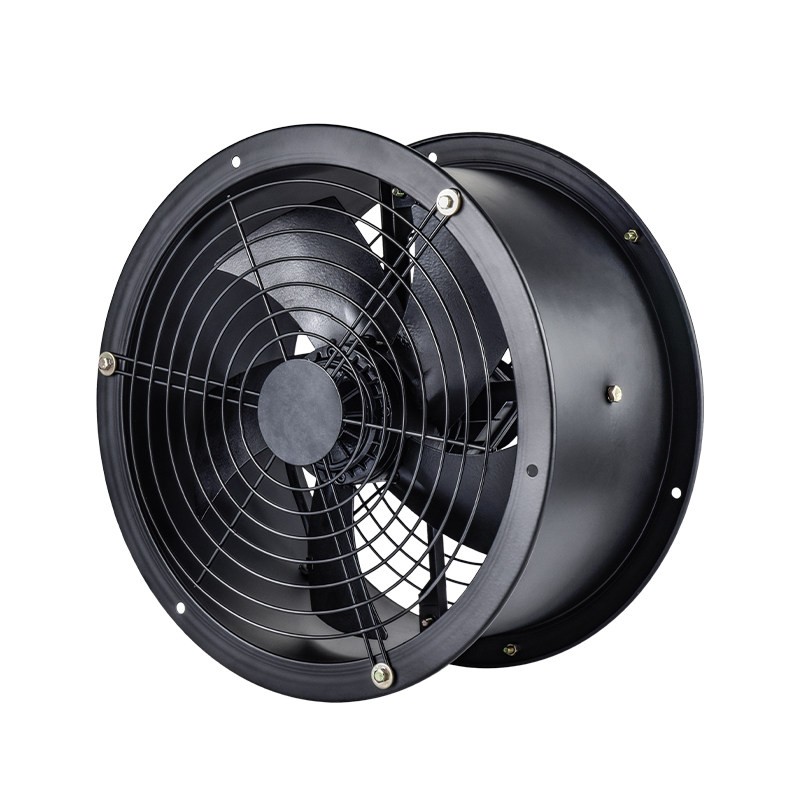
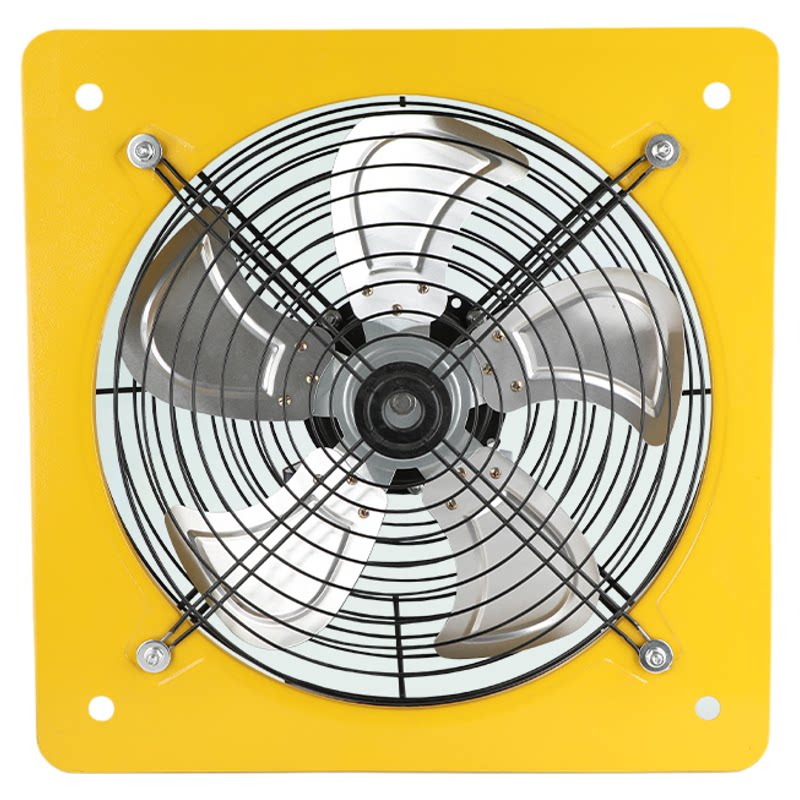
Dryer Booster Fans for Ducted Ventilation

Get a Free Quote

Our representative will contact you soon.
Email
Mobile/WhatsApp
Name
Company Name
Message
0/1000
Dryer Booster Fans for Ducted Airflow Projects

Dryer Booster Fans for Ducted Airflow Projects

Dryer booster fans help move air through a dryer duct when the route has added drag. They suit installers, plant teams, and equipment builders who need a clear view of the air path. Good dryer booster fans are chosen from airflow, duct size, duct length, bends, and the air at the fan inlet. This page compares centrifugal fan options for ducted ventilation. Taizhou Zicheng Electromechanical Co., Ltd. makes axial fans, centrifugal fans, kitchen exhaust fans, and vortex blowers. Use this page as a starting point for fan system selection. Send the airflow need, duct sketch, air heat, and site limits. A dryer booster fans inquiry can then focus on the right product data.
Get A Quote

Direct Manufacturer Context

Supply context for dryer booster fans and ducted ventilation work.

Direct Factory Production

Taizhou Zicheng Electromechanical Co., Ltd. is a maker with direct factory production for its fan products. This gives buyers a direct source for dryer booster fans questions, product checks, and fan system selection.

Broader Fan Product Range

The range includes axial fans, centrifugal fans, kitchen exhaust fans, and vortex blowers. This range gives a project team more than one starting point for ducted ventilation and dryer booster fans planning.

Related products

Pressure Margin for Duct Runs

Pressure Margin for Duct Runs

The Carbon Steel 4-72A Centrifugal Fan has a published maximum static pressure of 2,500 Pa. It is for air and non-self-igniting, non-corrosive, non-toxic gases within its stated limits. Dryer booster fans need a check of duct drag, inlet heat, and air type before a final choice. Use the product data as part of fan system selection, not as a stand-alone answer.

Map the Duct Before You Choose

Dryer booster fans can help when a dryer duct has a long run or many bends. Start with a simple duct map. Note the duct size, length, bends, filters, dampers, and outlet. Each part can add drag. Dryer booster fans should match the full route, not just the dryer name.

For ducted ventilation, ask for the needed airflow and the likely static pressure. These two values guide fan system selection. A fan may show a high peak flow but move less air in a real duct. Dryer booster fans work best when the duty point is clear. Do not use a peak number as the only guide.

Check the Air at the Fan

Dryer booster fans may see warm air, damp air, lint, or dust. Write down what the air holds and how hot it gets. This is a key part of ducted ventilation. It also helps with fan system selection. The 4-72A record says it is for air and other non-self-igniting, non-corrosive, non-toxic gases. Its stated gas heat limit is 80°C. Its stated dust limit is 150 mg/m³.

Those limits are not a pass for every site. Dryer booster fans should not be used for flammable, explosive, corrosive, or sticky air unless the product and site rules allow it. If the air is not known, say so in the inquiry. A clear note is better than a guess.

Use Pressure Data With Care

Ducted ventilation loses pressure in small ducts, long runs, sharp bends, and parts such as filters. This is why fan system selection needs more than airflow. The listed CF-11 and 11-62 products each publish up to 1,000 Pa. The listed 4-72A product publishes up to 2,500 Pa. These are published maximum values. They do not state what a fan will do in every dryer duct.

  • Give the duct size and route when you ask about dryer booster fans.
  • State the airflow goal and the pressure estimate for fan system selection.
  • List filters, dampers, and other parts in the ducted ventilation route.
  • Tell the supplier if the fan will run all day or only at set times.

Fit the Fan Into the Site

Dryer booster fans also need space, power, and a clear link to the duct. State the inlet and outlet direction. State the power supply. Give the space around the unit. The 4-72A is published with A, B, C, and D forms. The CF-11 record notes a flange for ducted ventilation. These facts may help fan system selection, but the final fit still depends on the site.

Do not add a larger fan just to solve a weak air path. A fan that is too large can add noise or shake. It can also be hard to control. A correct duct layout and a clear duty point are a better start for dryer booster fans.

Plan for Checks and Cleaning

Good ducted ventilation needs safe access. Leave room to inspect the fan, clean the route, and check bolts. In a lint or dust area, look at the system soon after start-up. The site may need more checks than a clean-air site. This is a practical part of fan system selection.

For dryer booster fans, keep a record of the model, duct map, and site notes. Check unusual noise, shake, or a drop in air flow. Ask for product data and size drawings before a final choice. If the job needs a formal rule check, use the relevant project and safety rules. A product page is useful for ducted ventilation, but it is not a final engineering sign-off.

Send a Clear Request

A good request speeds up fan system selection. Send airflow, pressure, a duct sketch, air heat, air type, power, run hours, and mount space. Add photos if they show the ducted ventilation route. Dryer booster fans can then be compared with the facts of the job. This makes it easier to discuss a suitable option without making claims that the site data does not support.

Dryer Booster Fan Selection FAQ

Short answers for dryer booster fans and ducted ventilation plans.

What information sizes a dryer booster fan?

For dryer booster fans, start with airflow and static pressure at the duty point. Then send duct size, route length, bends, filters, dampers, and outlet details. Also state air heat, moisture, lint, dust, run time, power, and mount space. This gives a sound base for fan system selection. A peak airflow figure is not enough. The ducted ventilation route changes how the fan works. A duct sketch helps show the whole route and any parts that add drag.
No. Dryer booster fans must fit the air and the site. A centrifugal fan can be useful for ducted ventilation when the system has pressure loss, but that alone does not prove it fits. The listed 4-72A is published for air and other non-self-igniting, non-corrosive, non-toxic gases within stated limits. Check heat, air type, duct drag, power, and local rules. Use fan system selection to compare the duty point with product data before you choose.
Duct drag sets the pressure that dryer booster fans must overcome. Long runs, bends, small ducts, filters, and dampers all add drag. This can cut the air that reaches the outlet. Good ducted ventilation uses both airflow and pressure data. Fan system selection should compare the estimated system curve with the product curve. Do not assume a product maximum pressure will apply to every route. A better duct route may solve part of the problem before a larger fan is needed.
For dryer booster fans, use product guidance, site rules, and the real state of the duct. Leave safe access for checks and cleaning. In a lint or dusty ducted ventilation route, inspect soon after start-up to see how fast material builds up. Check for odd noise, shake, or low flow. Keep the model and duct map in the service record. This helps later fan system selection if the route changes or a replacement is needed.

Related article

How to eliminate fan blower vibration during ventilation duct installation work?

24

Oct

How to eliminate fan blower vibration during ventilation duct installation work?

Identifying Root Causes of Fan Blower VibrationMechanical Imbalance and Bearing Degradation in Fan BlowersMechanical imbalance—often caused by dirt, ice, moisture, or blade damage—alters mass distribution in the rotating assembly, generating a domina...
View More
Centrifugal blower noise reduction modification meets indoor workplace standards.

25

Oct

Centrifugal blower noise reduction modification meets indoor workplace standards.

Understanding Centrifugal Blower Noise Sources and Workplace ImpactAerodynamic, mechanical, and structural origins of centrifugal blower noiseCentrifugal blower noise arises from three interdependent sources: aerodynamic, mechanical, and structural. ...
View More
How to Choose a Reliable Centrifugal Fan Manufacturer in China (2026 Buyer's Guide)

14

Sep

How to Choose a Reliable Centrifugal Fan Manufacturer in China (2026 Buyer's Guide)

A practical 2026 buyer's guide to choosing a trustworthy centrifugal fan manufacturer: certifications, quality control, SS304 materials, OEM support, MOQ and delivery.
View More
Industrial Ventilation Fan Selection Guide: Axial vs Centrifugal vs Mixed Flow

14

Sep

Industrial Ventilation Fan Selection Guide: Axial vs Centrifugal vs Mixed Flow

Compare axial, centrifugal and mixed flow industrial ventilation fans by pressure, airflow and noise, and learn how to buy direct from a factory.
View More

Get a Free Quote

Our representative will contact you soon.
Email
Mobile/WhatsApp
Name
Company Name
Message
0/1000