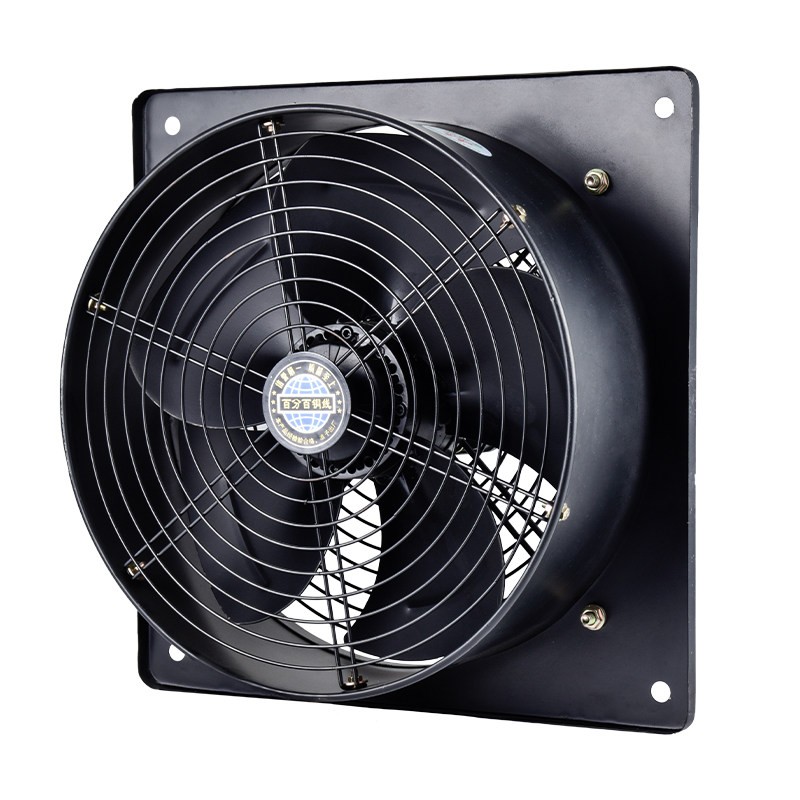
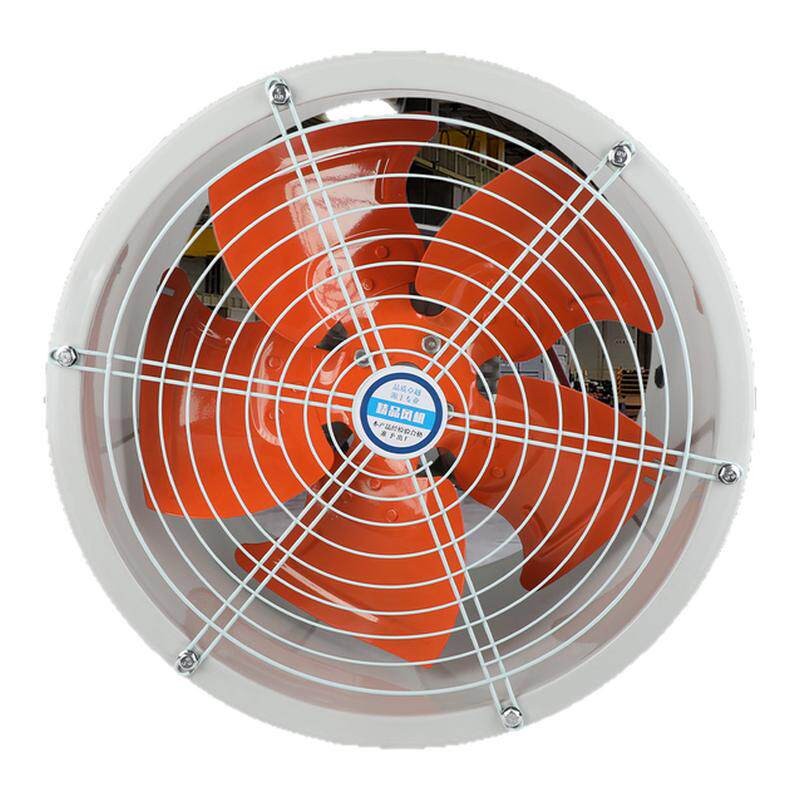
Thermal Blower for Industrial Ventilation

Get a Free Quote

Our representative will contact you soon.
Email
Mobile/WhatsApp
Name
Company Name
Message
0/1000
Thermal Blower Selection for Industrial Heat Management

Thermal Blower Selection for Industrial Heat Management

A thermal blower moves air when heat, moisture, or duct loss matters. This thermal blower page helps buyers compare axial and centrifugal choices for drying rooms, curing work, shops, and process vents. The range has an axial fan for drying rooms up to 200°C, an axial fan for tobacco curing, and high-pressure centrifugal fans for forging or conveying. For each thermal blower, start with air flow, static pressure, air heat, duct shape, power, and site needs. Taizhou Zicheng Electromechanical Co., Ltd. makes axial fans, centrifugal fans, kitchen exhaust fans, and vortex blowers. A buyer can talk through more than one thermal blower type for a job. Send the duty point and site data for a thermal blower quote.
Get A Quote

Factory-Based Fan Support

Direct manufacturing and a broad fan portfolio help project buyers review alternatives before selecting one configuration.

Direct Factory Production

Taizhou Zicheng Electromechanical Co., Ltd. is a maker, not a trading firm. Buyers can talk to the factory about a thermal blower and its setup.

Multiple Fan Types

The range has axial fans, centrifugal fans, kitchen exhaust fans, and vortex blowers. A buyer can compare a thermal blower with other fan types for a job.

Related products

Drying-Room Temperature Boundary

Drying-Room Temperature Boundary

The 304 Stainless Steel Axial Fan is listed for drying rooms up to 200°C. It has F-class or H-class motor insulation, 304 steel, and 220V or 380V power. For this thermal blower, check the real air heat, motor area, air flow, and mount point before choosing a model.

Set the Thermal Blower Duty

Pick a thermal blower for the job. Do not pick it only by outlet size. Start with air flow, pressure, air heat, and duct shape. A thermal blower in a drying room may face heat and wet air. A thermal blower in a long duct may need more pressure. The motor site also matters. List the normal site state and the peak site state before you ask for help.

For a thermal blower in a hot area, note both air heat and heat near the motor. The 304 Stainless Steel Axial Fan is listed for drying rooms up to 200°C. It has F-class or H-class insulation. This thermal blower record is a start. It is not a full site check. Heat source, roof height, wet air, and mount point can change the job. Ask for a new thermal blower setup if the site is past the listed limit.

Pick an Axial or Centrifugal Type

An axial thermal blower can suit a job with high air flow and a simple air path. The axial choices here are a steel drying-room fan and an aluminum blade fan listed at 39,000 m³/h for tobacco curing. These thermal blower choices can help start a talk on drying, curing, and hot-air vents.

A centrifugal thermal blower may fit when pressure is the main need. The 9-19 and 9-26 items are high-pressure centrifugal fan choices for forging and conveying work. The 9-19 record lists a top total pressure of 9,200 Pa. Its stated limit is non-corrosive, non-self-igniting, non-viscous air or gas. Its air heat must not pass 80°C. Dust or hard bits must not pass 150 mg/m³. Do not use this thermal blower limit for a new medium without a check.

Check Duct Loss

Duct loss can change thermal blower choice. Long ducts, bends, filters, guards, dampers, and outlet parts add loss. A thermal blower may move its stated air flow in open air. It may move less air in a real duct. Give the maker a duct sketch, duct size, duct run, and main fitting count. This helps match the thermal blower to the system, not just to a name.

  • State the air flow need. Say if the thermal blower supplies, vents, stirs, dries, cures, or conveys air.
  • List filters, heat sources, dampers, or dust gear in the air path.
  • State the air heat and the heat near the thermal blower motor.
  • Share the power, mount way, and free space near the thermal blower.

Check the Site Material Need

Match thermal blower material to the site. The drying-room axial fan has 304 steel. The high-pressure centrifugal items have their own stated limits. Tell the maker about wet air, dust, wash down, or process vapors. This can show if a listed thermal blower fits the job. It can also show if a new build should be checked.

Send Clear Job Data

A good thermal blower request has the duty point, job use, air heat, air or gas type, power, and mount limits. Say if the thermal blower takes the place of an old fan or serves a new system. Taizhou Zicheng Electromechanical Co., Ltd. makes axial fans, centrifugal fans, kitchen exhaust fans, and vortex blowers. Full job data helps compare thermal blower choices with the real site need.

Thermal Blower Selection FAQ

Questions to clarify before choosing equipment for heat-related airflow duties.

What information is needed to size a thermal blower?

For a thermal blower, give air flow, static pressure, air heat, motor-area heat, power, and the duct plan. Add duct size, duct run, bends, filters, dampers, hoods, and other parts that add loss. State if the thermal blower supplies air, vents air, stirs air, dries, cures, or conveys. These facts help sort a high-air-flow axial thermal blower job from a pressure-led centrifugal job. A name or outlet size alone cannot show that a thermal blower will fit the site.
Use a centrifugal thermal blower when ducts, filters, bends, process gear, or conveying lines add much static pressure. The selected 9-19 and 9-26 items are high-pressure centrifugal choices. The 9-19 record lists a top total pressure of 9,200 Pa. Final thermal blower choice still depends on the duty point and the air or gas. Its stated limit is non-corrosive, non-self-igniting, non-viscous air or gas, heat no more than 80°C, and limited dust.
An axial thermal blower can be used in a drying room if its stated heat and material facts fit the job. The selected steel axial thermal blower is listed for drying rooms up to 200°C. It has F-class or H-class insulation options. The selected aluminum blade axial fan is listed at 39,000 m³/h for tobacco curing. Check heat spread, wet air, air path, roof height, mount point, and the motor site before you choose a thermal blower model.
Duct shape changes the loss a thermal blower must beat. Length, bends, reducers, branches, filters, dampers, and outlets can all change the needed pressure. A thermal blower may work in a new way after it is put in place. Send a duct sketch and key sizes for a better thermal blower match. This also helps show if an axial or centrifugal thermal blower should be checked for the job.

Related article

How to eliminate fan blower vibration during ventilation duct installation work?

24

Oct

How to eliminate fan blower vibration during ventilation duct installation work?

Identifying Root Causes of Fan Blower VibrationMechanical Imbalance and Bearing Degradation in Fan BlowersMechanical imbalance—often caused by dirt, ice, moisture, or blade damage—alters mass distribution in the rotating assembly, generating a domina...
View More
Centrifugal blower noise reduction modification meets indoor workplace standards.

25

Oct

Centrifugal blower noise reduction modification meets indoor workplace standards.

Understanding Centrifugal Blower Noise Sources and Workplace ImpactAerodynamic, mechanical, and structural origins of centrifugal blower noiseCentrifugal blower noise arises from three interdependent sources: aerodynamic, mechanical, and structural. ...
View More
How to Choose a Reliable Centrifugal Fan Manufacturer in China (2026 Buyer's Guide)

14

Sep

How to Choose a Reliable Centrifugal Fan Manufacturer in China (2026 Buyer's Guide)

A practical 2026 buyer's guide to choosing a trustworthy centrifugal fan manufacturer: certifications, quality control, SS304 materials, OEM support, MOQ and delivery.
View More
Industrial Ventilation Fan Selection Guide: Axial vs Centrifugal vs Mixed Flow

14

Sep

Industrial Ventilation Fan Selection Guide: Axial vs Centrifugal vs Mixed Flow

Compare axial, centrifugal and mixed flow industrial ventilation fans by pressure, airflow and noise, and learn how to buy direct from a factory.
View More

Get a Free Quote

Our representative will contact you soon.
Email
Mobile/WhatsApp
Name
Company Name
Message
0/1000