Heavy Duty Industrial Blower Fan Selection

Get a Free Quote

Our representative will contact you soon.
Email
Mobile/WhatsApp
Name
Company Name
Message
0/1000
Heavy Duty Industrial Blower Fan Selection Guide

Heavy Duty Industrial Blower Fan Selection Guide

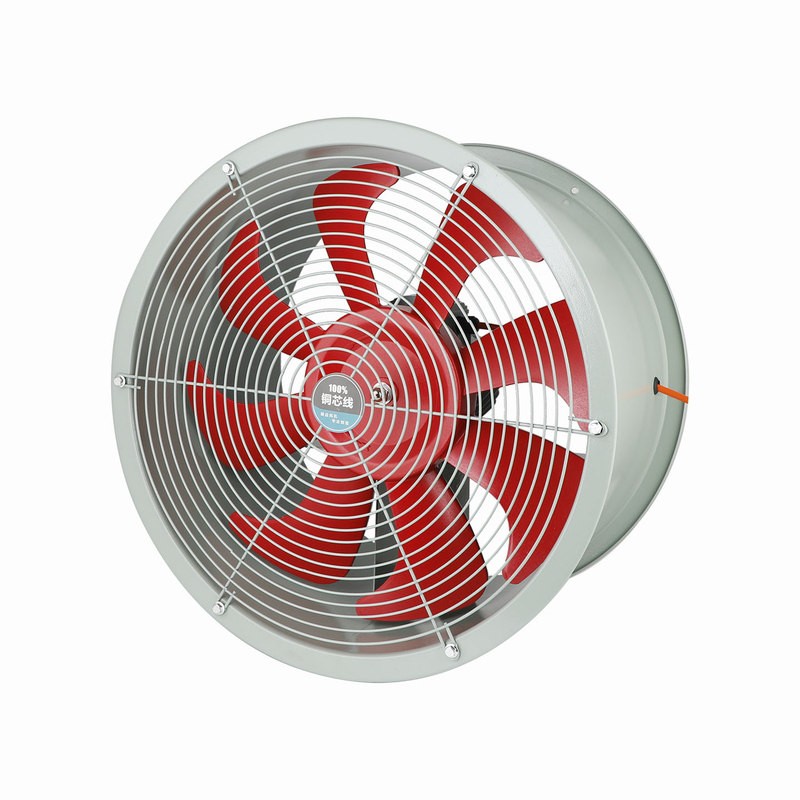
A heavy duty industrial blower fan should match the duty point, not just a large airflow figure. This page covers centrifugal, vortex, axial, and multi-wing options for process air, aeration, temporary air movement, and ducted exhaust. Start with airflow and static pressure. Then check the air stream, duct route, site, power supply, and service access. Taizhou Zicheng Electromechanical Co., Ltd. makes axial fans, centrifugal fans, kitchen exhaust fans, and vortex blowers. Its range lets buyers compare several fan types for one project. The listed products include high-pressure, oil-free, portable, and ducted options. Share the application, airflow, pressure, temperature, and installation details to discuss a heavy duty industrial blower fan. Ask for a quote after the duty point is clear.
Get A Quote

Factory-Direct Fan Support

Manufacturer context for buyers with industrial air-moving needs.

Direct Manufacturing

Taizhou Zicheng Electromechanical Co., Ltd. makes the fan products it offers. Buyers can discuss product needs, site limits, and application details directly with the manufacturer before they select a model.

Multi-Type Product Range

The range includes axial fans, centrifugal fans, kitchen exhaust fans, and vortex blowers. This gives projects several product types to compare when different zones need different kinds of air movement.

Related products

Pressure for Ducted Duty

Pressure for Ducted Duty

The 9-19 High-Pressure Centrifugal Fan is an option for a heavy duty industrial blower fan system with major duct resistance. Its catalog record lists up to 9,200 Pa total pressure for forced ventilation and material conveying. Check airflow, resistance, medium, temperature, and particulate limits before selecting a model. Those site conditions decide whether the fan fits the job.

Define the Duty Point

A heavy duty industrial blower fan works as part of a system. Start with airflow and static pressure at the same time. Duct length, bends, dampers, filters, hoods, and outlets add resistance. A fan can look right in open air but act differently after installation. Give the supplier a duty point, not only a fan size or motor preference.

For a replacement, note the nameplate data and the reason for replacement. Note low airflow, pressure loss, vibration, or poor access. A clear record helps match a heavy duty industrial blower fan to the real need. Use a heavy duty industrial blower fan only after the site data is checked. A heavy duty industrial blower fan needs a clear duty point. A heavy duty industrial blower fan is not chosen by motor power alone.

Choose the Fan Type

Fan type follows the job. A centrifugal fan is often worth reviewing when ducts and process gear add high resistance. The listed 9-19 High-Pressure Centrifugal Fan has a stated maximum total pressure of 9,200 Pa. This does not replace a system check. It shows that the product is for a pressure-focused review. Use centrifugal fan selection to compare the duty point with the product record. Centrifugal fan selection starts with pressure. Centrifugal fan selection should include airflow. Centrifugal fan selection should include the duct path. Centrifugal fan selection should check the medium. Centrifugal fan selection must use site data.

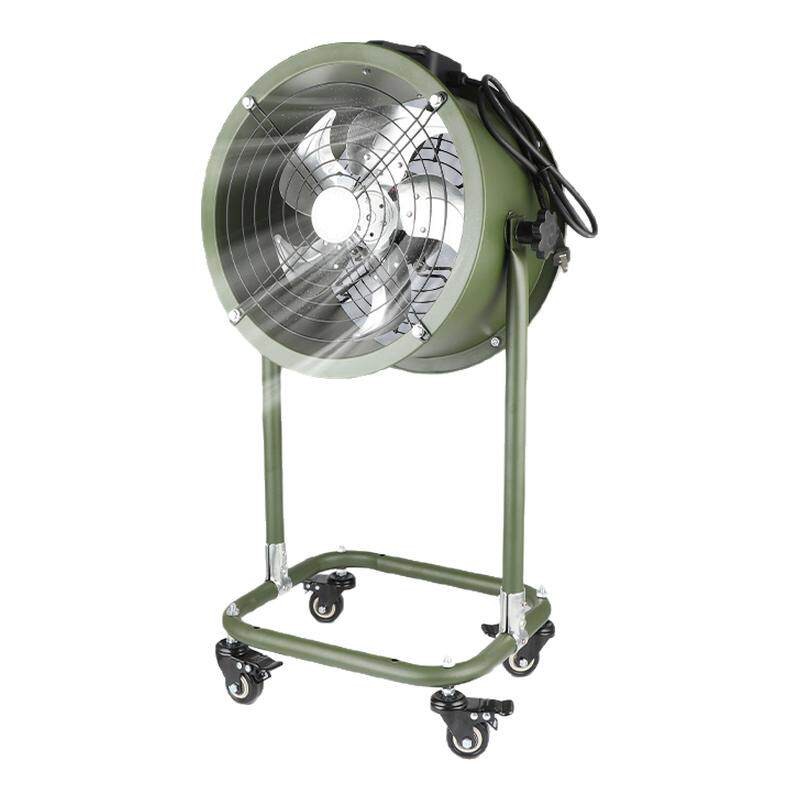
A vortex blower may fit jobs that need blowing or suction and oil-free air. The listed Oil-Free Aluminum Alloy Vortex Blower is catalogued for aeration and has a stated maximum pressure of 90 kPa. Discuss it after checking flow, pressure, site heat, and air cleanliness. A portable axial fan is a different choice. The listed Portable Axial Flow Fan is catalogued for confined spaces and up to 10,000 m³/h. It can help where fixed ducts are not practical.

Check the Site Conditions

Document the air stream and the area around the fan. State if the fan moves clean air, dust, heat, moisture, fumes, or material-laden air. Measure heat where the fan will sit. Do not use only a room reading. If the site falls outside a product record, ask for technical confirmation before ordering.

  • Measure ducts and note filters, bends, dampers, and grilles.
  • State if the fan will supply air, exhaust air, or do both jobs.
  • Check voltage, mounting position, service access, and inlet clearance.
  • Describe the work schedule and expected running time.

These details keep an industrial ventilation fan review tied to the site. Industrial ventilation fan selection needs duct data. Industrial ventilation fan selection needs air data. Industrial ventilation fan selection needs power data. Industrial ventilation fan selection needs access data. Industrial ventilation fan selection should include run time. Industrial ventilation fan selection should check local heat. Industrial ventilation fan selection should check dust and moisture. An industrial ventilation fan needs a fit check before ordering.

Review Ducted Exhaust Needs

For ducted exhaust, a multi-wing centrifugal fan is another category to compare. The listed CF-11 Multi-Wing Centrifugal Fan is catalogued with up to 20,000 m³/h airflow and 1,000 Pa maximum static pressure for kitchen use. Its record describes a multi-wing impeller and ducted interface. A second centrifugal fan selection check should include duct design, nearby surfaces, and the chosen configuration when noise is a concern. Centrifugal fan selection should not skip the duct route. Centrifugal fan selection should not rely on a headline value alone.

Do not use oversizing to hide missing duct data. An ill-matched fan can add noise and make control hard. A sound industrial ventilation fan request includes airflow, pressure, and a simple duct sketch. Send the application, medium, temperature, power supply, and old nameplate data where available. Taizhou Zicheng Electromechanical Co., Ltd. can review its axial, centrifugal, kitchen exhaust, and vortex blower range against those details. Final selection should be confirmed before order placement. A heavy duty industrial blower fan should be reviewed against the final site details. This heavy duty industrial blower fan guide supports the first discussion.

Heavy Duty Blower Fan FAQ

Answers for industrial buyers reviewing airflow, pressure, and installation.

What data is needed to select a blower fan?

Provide airflow and static pressure at the operating point. Also provide the air or process medium, temperature, dust or moisture, duct size, key restrictions, power supply, mounting position, and run time. For a replacement, include the current fan model and the issue it must solve. This information helps compare a centrifugal, axial, or vortex product against the job. A full duty point is more useful than choosing from motor power alone.
A centrifugal fan is often reviewed when ducts, bends, filters, hoods, or process gear create resistance. Compare the system curve and duty point with the product record. Axial fans can suit high-volume air movement at lower resistance. Centrifugal designs are often considered for pressure-focused ducted work. Neither type is right for all projects. Confirm airflow and static pressure before final selection.
A portable axial flow fan can support temporary ventilation when its airflow, duct connection, and site conditions fit the task. The listed portable model is catalogued for confined spaces and up to 10,000 m³/h. Check the space layout, duct length, intake, discharge route, and site procedures. Do not treat it as a replacement for required safety planning or a fixed extraction system where one is needed.
Plan service access around the operating site. Dusty, hot, humid, or corrosive areas may need a different inspection plan from clean, intermittent work. Make sure the inlet, outlet, motor area, and fasteners can be reached safely. Keep notes on vibration, noise, airflow changes, and filter or duct changes. Ask for product-specific maintenance guidance after the final model and configuration are confirmed.

Related article

How to eliminate fan blower vibration during ventilation duct installation work?

24

Oct

How to eliminate fan blower vibration during ventilation duct installation work?

Identifying Root Causes of Fan Blower VibrationMechanical Imbalance and Bearing Degradation in Fan BlowersMechanical imbalance—often caused by dirt, ice, moisture, or blade damage—alters mass distribution in the rotating assembly, generating a domina...
View More
Centrifugal blower noise reduction modification meets indoor workplace standards.

25

Oct

Centrifugal blower noise reduction modification meets indoor workplace standards.

Understanding Centrifugal Blower Noise Sources and Workplace ImpactAerodynamic, mechanical, and structural origins of centrifugal blower noiseCentrifugal blower noise arises from three interdependent sources: aerodynamic, mechanical, and structural. ...
View More
How to Choose a Reliable Centrifugal Fan Manufacturer in China (2026 Buyer's Guide)

14

Sep

How to Choose a Reliable Centrifugal Fan Manufacturer in China (2026 Buyer's Guide)

A practical 2026 buyer's guide to choosing a trustworthy centrifugal fan manufacturer: certifications, quality control, SS304 materials, OEM support, MOQ and delivery.
View More
Industrial Ventilation Fan Selection Guide: Axial vs Centrifugal vs Mixed Flow

14

Sep

Industrial Ventilation Fan Selection Guide: Axial vs Centrifugal vs Mixed Flow

Compare axial, centrifugal and mixed flow industrial ventilation fans by pressure, airflow and noise, and learn how to buy direct from a factory.
View More

Get a Free Quote

Our representative will contact you soon.
Email
Mobile/WhatsApp
Name
Company Name
Message
0/1000