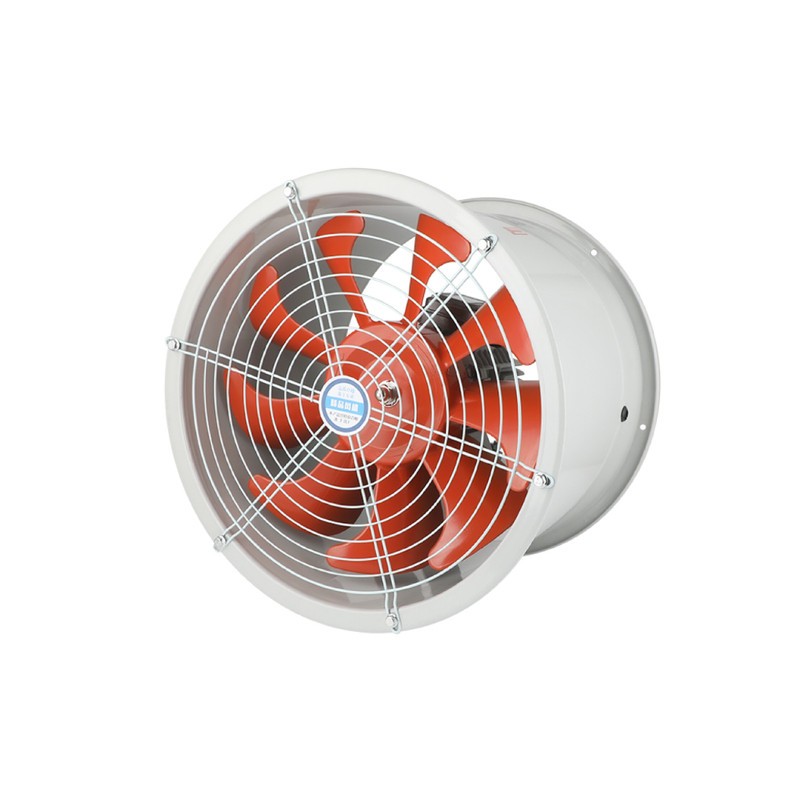
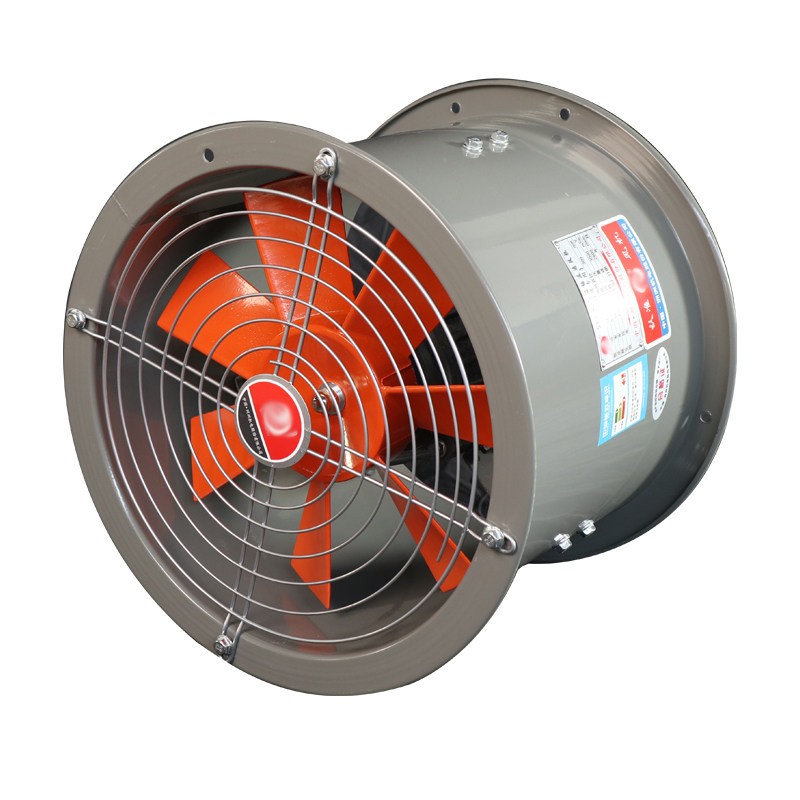
Set the HVAC Duct Blower Duty Point
An HVAC duct blower needs two linked values: airflow and static pressure. Do not select an HVAC duct blower from a peak airflow number alone. State the airflow needed at the point of use. Then estimate the static pressure for the same condition. This is the basic step in fan system selection.
For fan system selection, map the whole route. Note duct size, duct length, elbows, branches, filters, dampers, hoods, and terminals. Each part adds resistance. A good HVAC duct blower choice matches the system curve at the required airflow. It does not just use the largest motor or the highest free-air result.
Review Ducted Ventilation Fan Types
Multi-wing centrifugal fans can suit ducted ventilation when the route needs pressure support. The listed 11-62 and CF-11 models are centrifugal options for kitchen use. Their product records list up to 20,000 m³/h and up to 1,000 Pa. Check the exact variant against the real duty point. This is important for an HVAC duct blower in a long route or a route with filters.
A cabinet unit can fit a ducted ventilation layout where an enclosed form helps the mechanical plan. The listed cabinet smoke exhaust fan has an IP65 motor rating and up to 1,000 Pa in its record. Check the use case and local project rules before use. The listed 4-72A fan has up to 2,500 Pa for factory work. It may be a better HVAC duct blower candidate where a duct route has more resistance. Its record states limits for air type, inlet temperature, and particle content.
Check the Air and the Installation
Describe the air before fan system selection. Tell the supplier if the air has heat, moisture, grease, dust, or a risk of corrosion. A kitchen HVAC duct blower has different needs from one that moves clean air. A process line may need an HVAC duct blower that stays within the selected product conditions. Do not treat a general fan as a fit for every air stream.
Measure the site as well. Check space, service room, duct connection direction, support points, power supply, and voltage. For an HVAC duct blower near people, review noise as part of the full ducted ventilation system. Fan speed, duct speed, mounts, and terminals all affect sound. This part of fan system selection can avoid changes after installation.
Use a Clear Project Checklist
- For an HVAC duct blower, state the required airflow and static pressure at one operating point.
- For ducted ventilation, list duct sizes, lengths, bends, filters, dampers, and linked equipment.
- For fan system selection, describe air temperature, moisture, grease, dust, and corrosion concerns.
- For an HVAC duct blower, confirm space, connection direction, voltage, and service access.
- For ducted ventilation, review the proposed fan curve before the order is placed.
An HVAC duct blower with a low first price may cost more if it does not match the route. Early fan system selection makes the project easier to review. Send the airflow, static pressure, duct layout, and air conditions. Taizhou Zicheng Electromechanical Co., Ltd. can discuss an HVAC duct blower from its stated fan range.

 EN