Air Mover Industrial Options for Ventilation

Get a Free Quote

Our representative will contact you soon.
Email
Mobile/WhatsApp
Name
Company Name
Message
0/1000
Air Mover Industrial Options for Ventilation Projects

Air Mover Industrial Options for Ventilation Projects

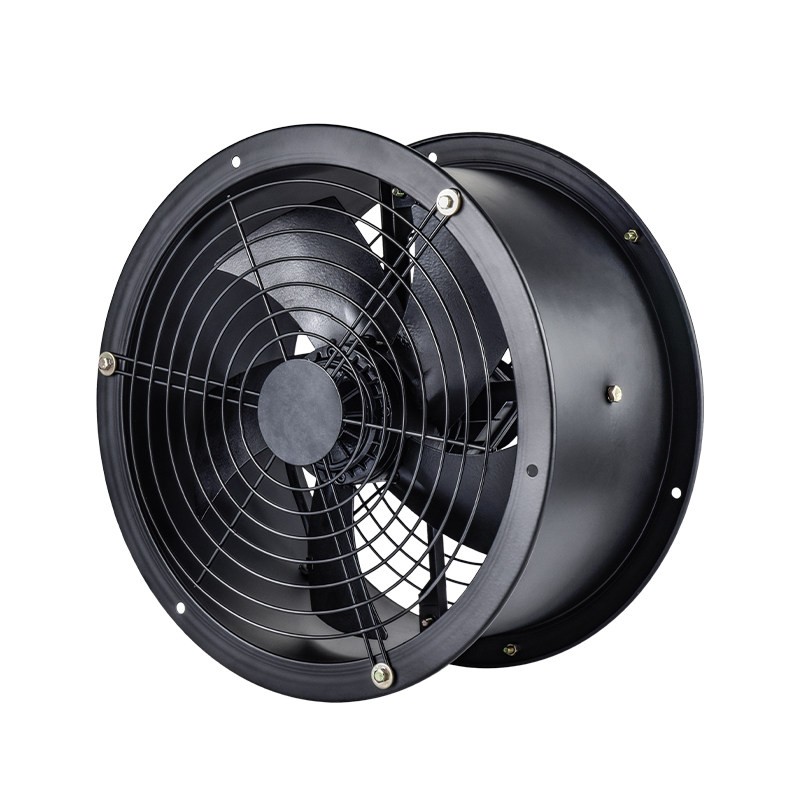
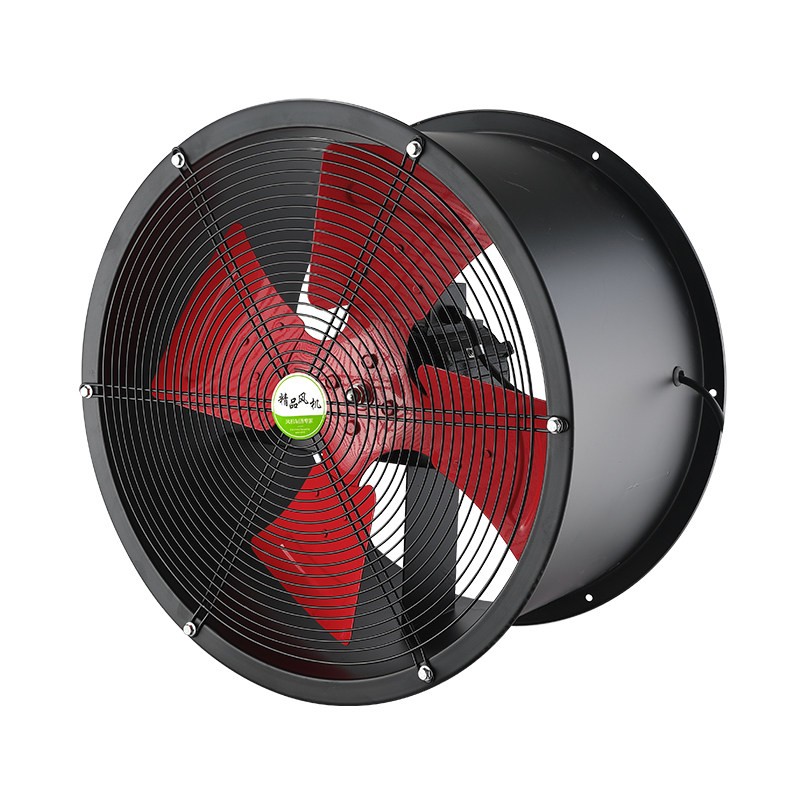
An air mover industrial project needs more than a large airflow figure. It needs a fan type that fits the route, resistance, air, and work area. This page shows portable axial and centrifugal options from Taizhou Zicheng Electromechanical Co., Ltd. Use an air mover industrial unit for temporary ventilation, factory air exchange, duct supply, exhaust, or pressure work. The range includes a portable axial flow fan for confined-space ventilation, a 4-72A fan for factories, and 9-19 and 9-26 high-pressure models for forging and conveying. Zicheng makes axial fans, centrifugal fans, kitchen exhaust fans, and vortex blowers. Share airflow, pressure, air conditions, duct details, voltage, and space. This helps Zicheng discuss an air mover industrial option and prepare a quotation. A portable axial flow fan may suit a short temporary route. Confined-space ventilation needs the real space and duct details.
Get A Quote

Manufacturer Context for Fan Buyers

Direct product discussion can help procurement teams connect fan selection with the actual application rather than choosing only by a headline capacity.

Direct Manufacturing Source

Taizhou Zicheng Electromechanical Co., Ltd. is a manufacturer with direct factory production capability for the fan products it offers. This gives buyers a source-level contact for an air mover industrial project and its product discussion.

Multiple Fan Types

The product portfolio covers axial and centrifugal fan types, plus smoke exhaust fans. Buyers can compare fan approaches for an air mover industrial project that has more than one air path.

Related products

Portable Air Delivery Where Needed

Portable Air Delivery Where Needed

The Portable Axial Flow Fan 10,000 m³/h for Confined Spaces is for jobs where fixed ducts are not practical. Its product record says it can connect to telescopic air ducts. This can route fresh air or exhaust air from an access point to an enclosed work area. For confined-space ventilation, confirm the space shape and airflow need before choosing a model. A portable axial flow fan is useful when the job needs a movable air source.

Start With the Air Duty

An air mover industrial project starts with the air duty. Ask if the system needs high airflow, high pressure, or both. An air mover industrial unit can be an axial or centrifugal fan. A portable axial flow fan can move air in a short, temporary route. A centrifugal fan can suit a duct system with bends, filters, and other pressure loss. Give the supplier the airflow, static pressure, air temperature, dust level, duct layout, voltage, and space for the unit. The fan name alone does not show if it fits the job.

Choose a Fan for the Air Path

A portable axial flow fan can suit confined-space ventilation and other field jobs. The selected portable product is listed at up to 10,000 m³/h. It can connect to telescopic air ducts. This allows the unit to stay near an access point while air moves through a duct. A long duct adds resistance. For an air mover industrial plan, check duct length, bends, duct size, and discharge point. Do not assume that free-air flow is the same as flow at the work area.

The selected 4-72A centrifugal fan is listed at up to 2,500 Pa for factories. It can suit ducted ventilation where pressure loss matters. Its record is for air and gases that are non-self-igniting, non-toxic, and non-corrosive to steel. The gas temperature must not exceed 80°C. Dust and hard particles must not exceed 150 mg/m³. These are limits for this product. Tell the supplier if the job has corrosive vapor, flammable conditions, sticky material, or higher temperatures.

Check Pressure Before Selecting

The selected 9-19 and 9-26 options are high-pressure centrifugal fans. Their product records state up to 9,200 Pa. They can be considered for an air mover industrial system with a long duct route or conveying line. High pressure is not always better. A fan that does not match the duty can add noise, use more energy, or run poorly. Ask for the curve for the chosen model. Compare it with the system curve at the needed airflow.

  • Give the airflow needed at the point of use, not only the room size.
  • List duct length, size, branches, bends, dampers, filters, and discharge details.
  • Describe air temperature, dust, moisture, and any corrosive or combustible condition.
  • Confirm voltage, mounting space, service access, and air direction.

Plan Installation and Service

Installation affects the result. Put the fan where duct links are simple and service access is safe. Allow access to the motor, impeller, guards, and joints. Use suitable supports and flexible links where the system calls for them. In dusty work areas, set an inspection plan based on actual use and the model guidance. A schedule used in a clean shop may not suit a high-dust site. Good access makes it easier to inspect parts and keep the air mover industrial system in working order.

Send a Clear Project Inquiry

Taizhou Zicheng Electromechanical Co., Ltd. makes axial fans, centrifugal fans, kitchen exhaust fans, and vortex blowers. Send the duty point and job details to discuss an air mover industrial option. A sketch or route photos can help. Include fan type needs, size limits, and electrical details. This gives the supplier facts to discuss the right product without guessing about the work site. For confined-space ventilation, include the space size and the planned duct route. For a portable axial flow fan, state whether the unit will supply fresh air or remove air.

Industrial Air Mover FAQ

Questions to prepare before selecting an air mover industrial fan for ventilation or air handling.

How should I size an industrial air mover?

Start with airflow at the work area and the resistance in the air path. Include duct length, size, bends, filters, dampers, and discharge details. Give the air temperature, dust level, voltage, and mounting space. An air mover industrial unit may be centrifugal when duct resistance is high. A portable axial flow fan may suit a short, temporary job. Check the fan curve for the selected model before making a final choice.
A portable axial flow fan can help when the unit must move between work areas or fixed ducts are not practical. The selected product is for confined spaces and can connect with telescopic air ducts. This can support confined-space ventilation. Check the real duct route and space shape because resistance changes delivered airflow. For a permanent air mover industrial system with higher resistance, compare a centrifugal option.
Report the job, needed airflow, static pressure, air or gas temperature, dust level, duct details, voltage, and space limits. State if the medium is corrosive, combustible, viscous, or outside normal clean-air conditions. These facts matter because the selected 4-72A and high-pressure products have stated limits. Match each air mover industrial product to the real job. Do not infer suitability from the product name alone.
They can be considered, but select them for system resistance, not the largest pressure number. The selected 9-19 and 9-26 products are high-pressure centrifugal options with records stating up to 9,200 Pa. For a short, open air path, a lower-pressure air mover industrial option may fit better. Compare the duty point with the fan curve. This helps avoid capacity the system does not need.

Related article

How to eliminate fan blower vibration during ventilation duct installation work?

24

Oct

How to eliminate fan blower vibration during ventilation duct installation work?

Identifying Root Causes of Fan Blower VibrationMechanical Imbalance and Bearing Degradation in Fan BlowersMechanical imbalance—often caused by dirt, ice, moisture, or blade damage—alters mass distribution in the rotating assembly, generating a domina...
View More
Centrifugal blower noise reduction modification meets indoor workplace standards.

25

Oct

Centrifugal blower noise reduction modification meets indoor workplace standards.

Understanding Centrifugal Blower Noise Sources and Workplace ImpactAerodynamic, mechanical, and structural origins of centrifugal blower noiseCentrifugal blower noise arises from three interdependent sources: aerodynamic, mechanical, and structural. ...
View More
How to Choose a Reliable Centrifugal Fan Manufacturer in China (2026 Buyer's Guide)

14

Sep

How to Choose a Reliable Centrifugal Fan Manufacturer in China (2026 Buyer's Guide)

A practical 2026 buyer's guide to choosing a trustworthy centrifugal fan manufacturer: certifications, quality control, SS304 materials, OEM support, MOQ and delivery.
View More
Industrial Ventilation Fan Selection Guide: Axial vs Centrifugal vs Mixed Flow

14

Sep

Industrial Ventilation Fan Selection Guide: Axial vs Centrifugal vs Mixed Flow

Compare axial, centrifugal and mixed flow industrial ventilation fans by pressure, airflow and noise, and learn how to buy direct from a factory.
View More

Get a Free Quote

Our representative will contact you soon.
Email
Mobile/WhatsApp
Name
Company Name
Message
0/1000