Define the Duty Point
Fans & blowers ltd searches can cover many types of equipment. Start with the system facts. Write down airflow, static pressure, temperature, voltage, space, and the job the fan must do. An industrial ventilation fan needs more than a product name. It must suit the air path and the work area.
For fans & blowers ltd replacement work, note the old model and the problem. Is airflow low? Is the fan loud? Has the duct changed? These details help with centrifugal fan selection. They also show if the issue comes from the system, not just the fan.
Fans & blowers ltd buyers can use industrial ventilation fan data to guide centrifugal fan selection. Fans & blowers ltd work in drying rooms needs industrial ventilation fan temperature details before centrifugal fan selection. Fans & blowers ltd kitchen projects need industrial ventilation fan duct details for centrifugal fan selection. Fans & blowers ltd conveying duties need industrial ventilation fan pressure data before centrifugal fan selection. Fans & blowers ltd replacement work needs industrial ventilation fan system data for centrifugal fan selection. Fans & blowers ltd planning needs industrial ventilation fan power data before centrifugal fan selection. Fans & blowers ltd comparisons need industrial ventilation fan application data for centrifugal fan selection.
Check Duct Resistance First
Fans & blowers ltd buyers should map the duct route. Long runs, bends, filters, dampers, and transitions all add resistance. This changes the duty point. A fan may move air well in open space but deliver less air after it enters a duct. An industrial ventilation fan should be selected for the installed system.
For fans & blowers ltd projects with higher resistance, centrifugal fan selection may be useful. The selected 9-26 centrifugal fan has a listed maximum static pressure of 9,200 Pa and a listed maximum flow rate of 7,000 m³/h. The selected 11-62 model has a listed maximum flow rate of 20,000 m³/h and a listed maximum static pressure of 1,000 Pa. These are product facts, not a final system recommendation.
Compare Fan Types by Use
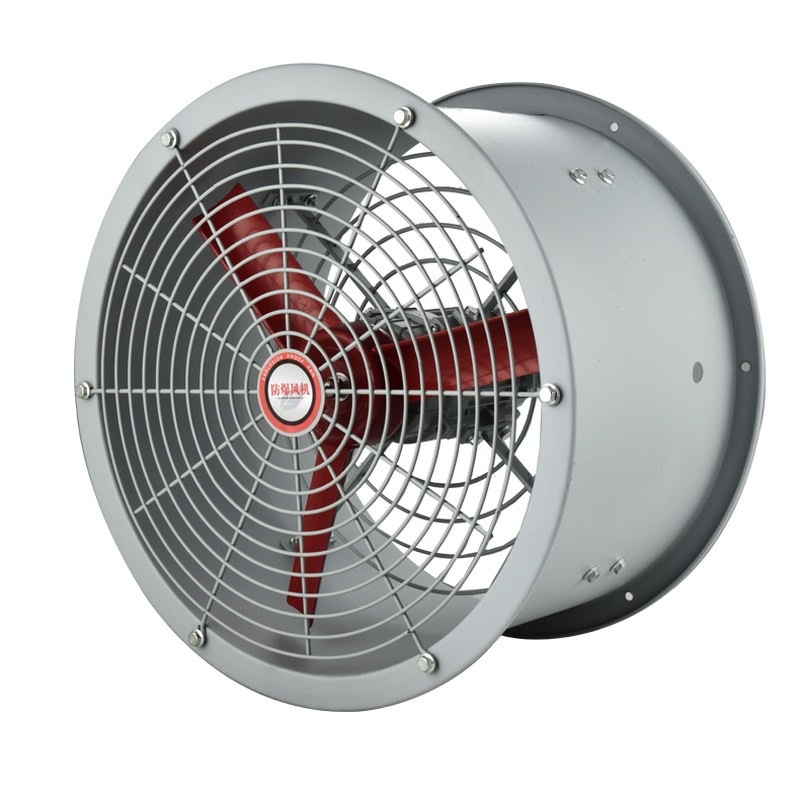
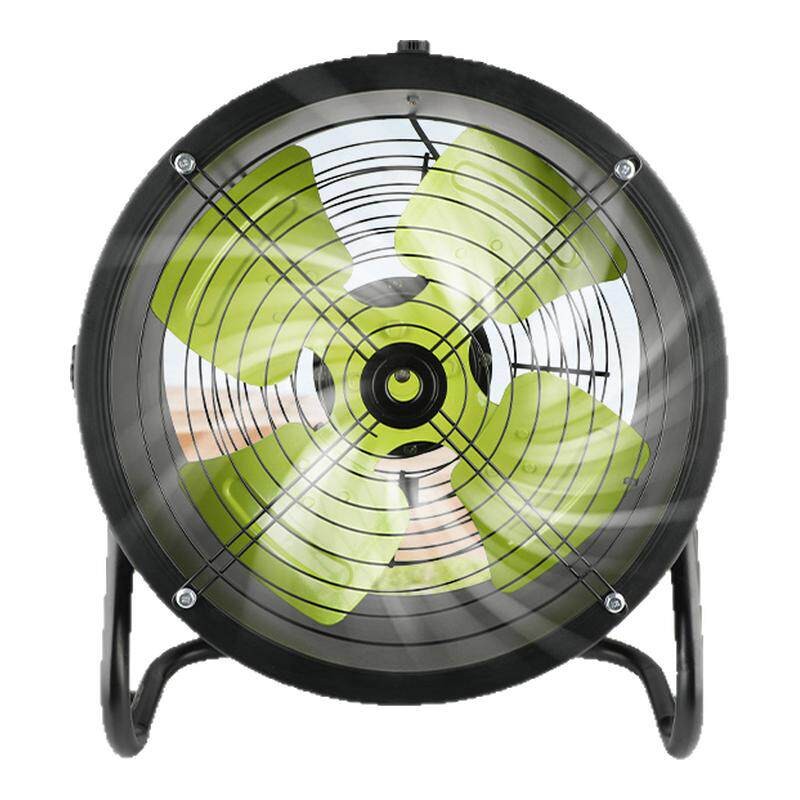
Fans & blowers ltd sourcing can include axial and centrifugal fan types. An axial fan can suit a direct air path. The selected stainless steel axial fan is listed for drying rooms and has a recorded 200°C rating. Check the real temperature at the motor. Check humidity and the fan location too.
Fans & blowers ltd applications with ducts may need a centrifugal fan. Centrifugal fan selection should use the needed pressure and flow together. Do not choose from pressure alone. Do not choose from flow alone. The product curve and actual system conditions must work together.
Review the Air and Environment
Fans & blowers ltd selection also depends on the air. State if it is clean, hot, humid, greasy, or dusty. State if it carries particles. These facts affect the product family and the materials to review. An industrial ventilation fan for a drying room has different conditions from a fan for a kitchen.
For fans & blowers ltd kitchen work, review hood layout, grease filters, duct bends, and service access. The selected cabinet smoke exhaust fan has a recorded IP65 motor rating, high-temperature coils and bearings, and a listed maximum static pressure of 1,000 Pa. Project rules still need review by the responsible team.
- List the airflow and static pressure needed at the installation point.
- List duct length, bends, filters, dampers, and discharge details.
- State the air temperature, humidity, dust, and grease conditions.
- Confirm voltage, mounting space, and access for service.
Consider Noise and Service
Fans & blowers ltd buyers should assess noise as part of the full installation. Fan location, ducts, mounts, and nearby rooms all matter. The selected 11-62 product is named as a low-noise centrifugal fan for hotel kitchens. Ask for the conditions used for any proposed configuration.
Fans & blowers ltd projects also need service access. Filters, drives, dampers, and inspection points must remain reachable. This is important in ceiling spaces and compact cabinet layouts. A suitable industrial ventilation fan can still be hard to maintain if access was not planned.
Send Useful Project Details
Fans & blowers ltd inquiries work best when they include the duty point, application, power supply, air conditions, and a duct sketch or photos. This gives a clear basis for centrifugal fan selection. Zicheng states that it supports airflow and static-pressure sizing, model selection, and material and voltage advice before an order. Share the operating data to discuss an industrial ventilation fan configuration that fits the project.

 EN