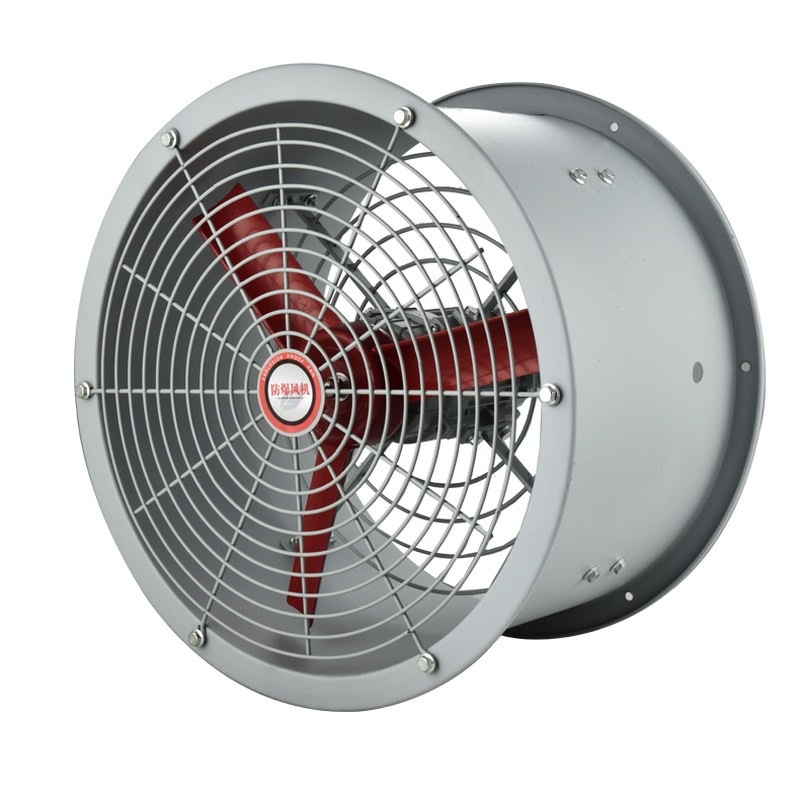
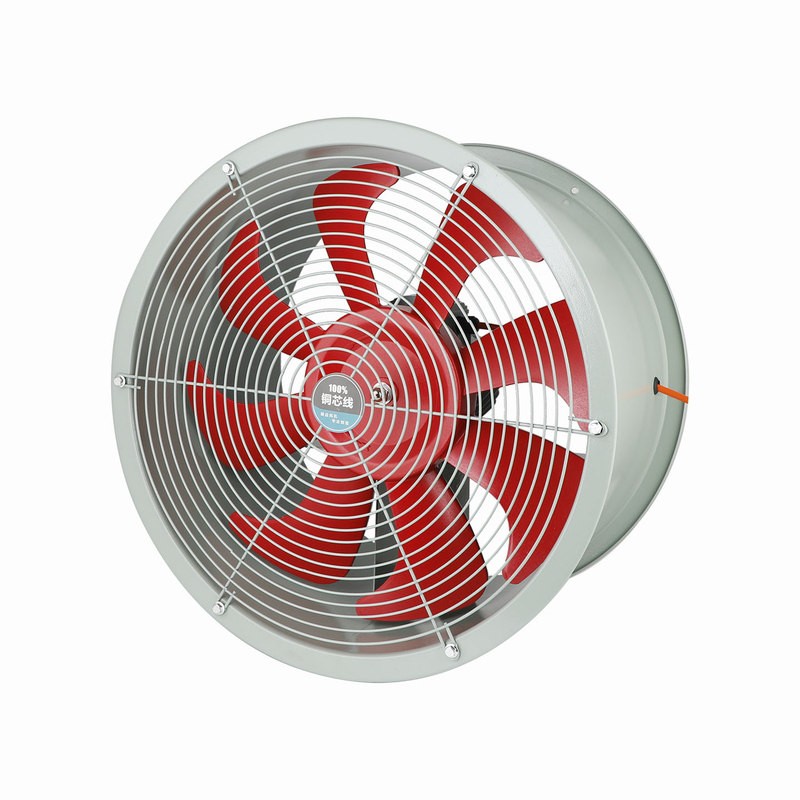
Define the Air Handler Blower Duty
An air handler blower works with a duct system. Start with the airflow needed at the point of use. Then list the resistance in the route. Include duct size, length, bends, filters, coils, grilles, and dampers. This is the base for fan system selection. An air handler blower chosen from a free-air number may deliver less air after those parts are installed.
For ducted ventilation, also state air temperature, air condition, voltage, frequency, and mounting space. Say if the unit handles clean air, humid air, process air, or kitchen exhaust. These facts help define whether an air handler blower fits the task. They also help show when a centrifugal fan may suit ducted ventilation better than an axial fan.
Compare Published Product Limits
The selected 11-62 and CF-11 multi-wing products each publish maximum values of 20,000 m³/h and 1,000 Pa. The 4-72A centrifugal fan publishes up to 2,500 Pa. It also states limits for gas temperature, particulate content, and gas condition. The cabinet product records an IP65 motor rating plus high-temperature coils and bearings. These facts support fan system selection, but they do not replace a project calculation.
- Use an air handler blower with a curve that reaches the required airflow at the expected resistance.
- Use ducted ventilation drawings to check every fitting, filter, coil, and damper.
- Use the published limits to rule out an air handler blower that does not fit the air stream.
Check the System Curve
Ducted ventilation can change during installation. An extra bend, a loaded filter, or a longer route adds resistance. That changes the point where the fan curve meets the system curve. A complete fan system selection therefore needs more than one headline airflow value.
Give the supplier the target airflow and calculated static pressure. Add the duct plan when it is available. For an air handler blower with changing loads, describe the normal and peak conditions. This makes fan system selection more useful than a choice based on nameplate data alone. It also helps avoid a ducted ventilation design that is hard to adjust later.
Review Air Conditions and Access
Air conditions set limits for an air handler blower. The 4-72A record is for non-self-igniting, non-toxic gas that is non-corrosive to steel. It states a gas temperature limit of 80°C and a particulate limit of 150 mg/m³. Confirm these limits before using that product in ducted ventilation. Do not assume that a fan for one duty fits every air stream.
Plan service access as well. Leave room for filter work, inspection, and nearby duct joints. Confirm the electrical supply, support structure, vibration control, and connection size. These checks form part of fan system selection for an air handler blower.
Send a Clear Project Request
For an air handler blower quotation, send airflow, static pressure, temperature, medium, voltage, frequency, and installation direction. Include the duct layout, noise concern, and size limit. State every part that adds pressure loss. This gives a sound basis for ducted ventilation review. Taizhou Zicheng Electromechanical Co., Ltd. can discuss fan system selection from its documented fan range.

 EN