Ceiling Attic Fan Planning for Ducted Systems

Get a Free Quote

Our representative will contact you soon.
Email
Mobile/WhatsApp
Name
Company Name
Message
0/1000
Ceiling Attic Fan Planning for Ducted Air Systems

Ceiling Attic Fan Planning for Ducted Air Systems

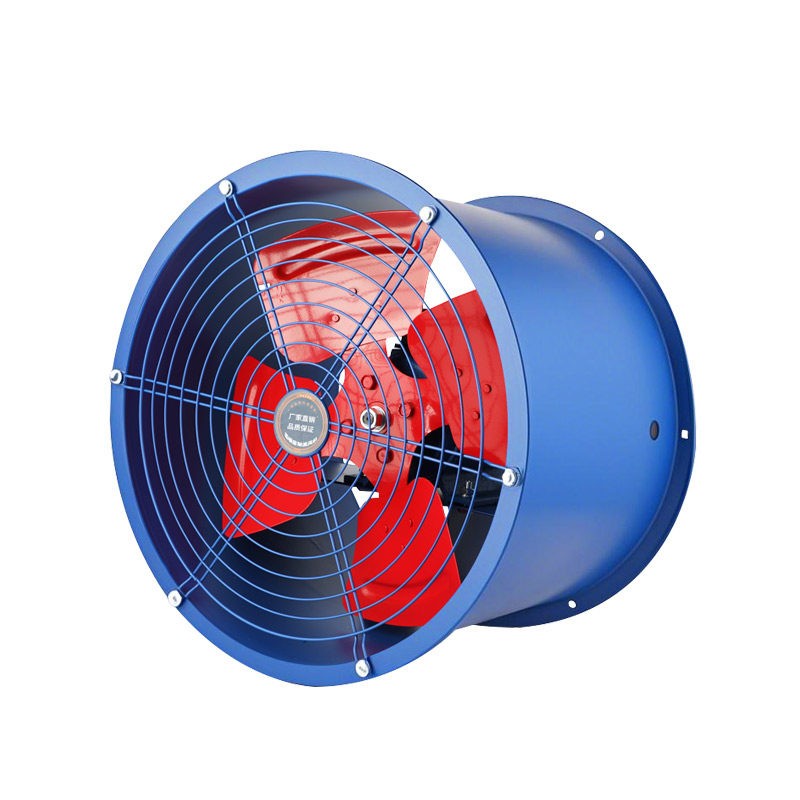
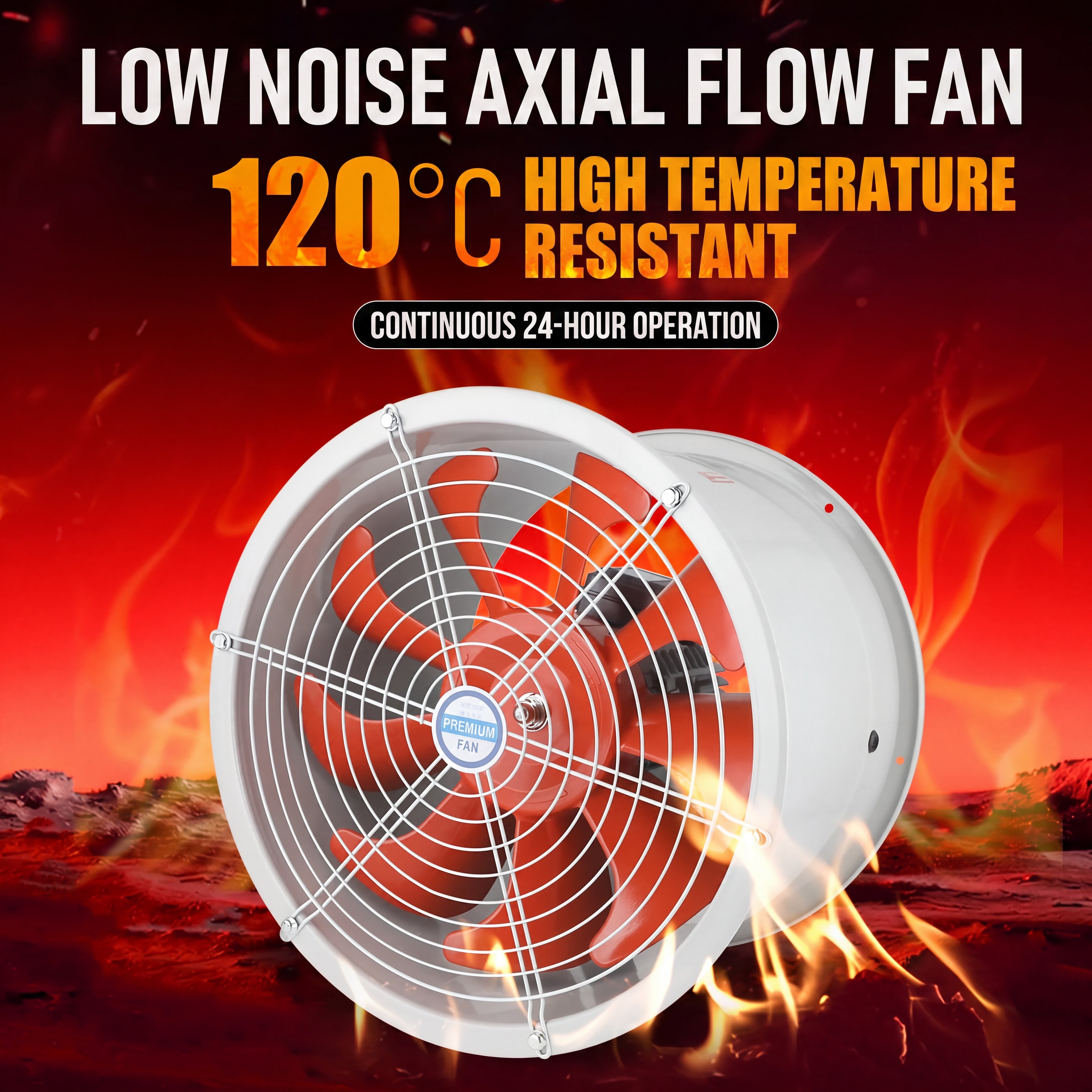
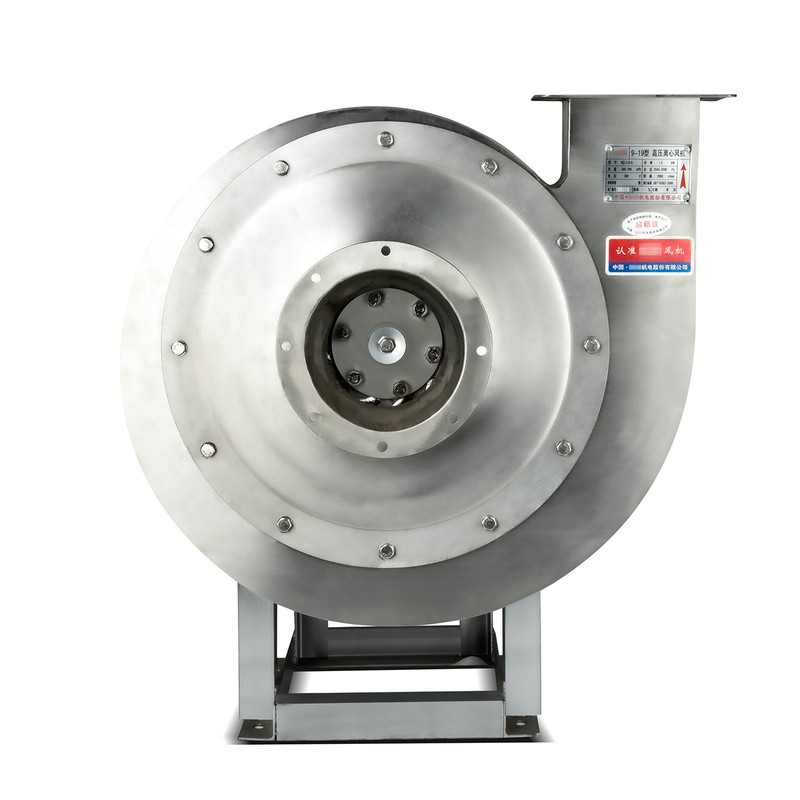
A ceiling attic fan can serve more than one job. It may move warm air from an attic. It may pull air from a ceiling grille and send it through a duct. It may also serve a plant room or other work space. A ceiling attic fan must match the airflow need, duct route, pressure, mounting space, power supply, and air conditions. Taizhou Zicheng Electromechanical Co., Ltd. makes axial fans, centrifugal fans, kitchen exhaust fans, and aeration blowers. The listed products are centrifugal models, not exact attic-fan matches. They may be useful when duct resistance is part of the project. Send the airflow need, duct layout, inlet conditions, and installation space for a ceiling attic fan discussion and quote.
Get A Quote

Manufacturer Context for Fan Projects

Direct factory discussions can help buyers define a practical fan configuration.

Direct Factory Production

Taizhou Zicheng Electromechanical Co., Ltd. is a manufacturer, not a trading company. Direct factory production gives buyers a source-level starting point for quality-control and supplier-qualification discussions about a ceiling attic fan project.

Multi-Type Fan Portfolio

The documented range includes standard and handheld axial fans, CF-11 and 11-62 centrifugal fans, and PCF smoke exhaust fans. This range can help projects that need more than one fan type from one supplier.

Related products

Check Duct Resistance First

Check Duct Resistance First

A ceiling attic fan with ducts should be chosen for the full system, not for a free-air rating alone. Bends, grilles, filters, and long runs add resistance. The listed centrifugal models are closest available choices only when their documented pressure and air limits fit the project.

Define the Ceiling Attic Fan Job

A ceiling attic fan can do several jobs. One ceiling attic fan may remove hot air from an attic. Another ceiling attic fan may pull air through a ceiling grille and a duct. A third ceiling attic fan may support air exchange in a plant room. Start by naming the source space and the discharge point. Then state if the ceiling attic fan is for exhaust, supply, or general air exchange. This simple step avoids choosing a product by mounting place alone.

For a ceiling attic fan in an attic, record the roof shape, ceiling opening, service access, and intake vents. A ceiling attic fan needs a clear path for replacement air. Without that path, the space may not get the air movement you expect. Also state if the ceiling attic fan is for a home, a shop, or an industrial site. The products on this page are industrial centrifugal fans. They are not exact ceiling attic fan models. Use them only when the duty and site conditions fit.

Set the Airflow Need

Size a ceiling attic fan from the space, heat load, use pattern, and goal. A first airflow number helps, but it is not the whole answer. Ask if the ceiling attic fan must work through a roof cap, louver, grille, or duct. Each part can reduce the air that reaches the target point.

  • For a ceiling attic fan, record the room size and air volume.
  • For a ceiling attic fan, state if it runs all day, on a timer, or by a control signal.
  • For a ceiling attic fan, identify intake vents or other air paths.
  • For a ceiling attic fan, note seasonal heat and air temperature near the inlet.

These details help an engineer compare a ceiling attic fan with the project. They are more useful than a free-air rating by itself.

Check the Duct Route

Duct resistance is a key part of ceiling attic fan selection. Long runs, elbows, size changes, filters, dampers, and grilles add resistance. Together, they set the system load. A ceiling attic fan should be checked at the required airflow and pressure, not at airflow alone.

The listed 4-72A centrifugal models document up to 2,500 Pa static pressure. The listed 9-19 and 9-26 models document up to 9,200 Pa. These values are stated product limits or maxima. They do not mean that the highest-pressure unit is right for every ceiling attic fan. A short, open discharge may need a different fan class than a long duct route. If the route is not final, send a sketch with duct size, length, bends, and filters. It can help check the ceiling attic fan operating point.

Review the Air and Materials

Before you select a ceiling attic fan, define the air stream. The chosen products have stated limits for temperature and particles. Fit depends on those limits. The stainless 4-72A product, for example, has documented limits for the air it can handle. The carbon-steel 4-72A model has its own stated range. Do not assume that a general ceiling attic fan can handle corrosive, flammable, viscous, or special air streams.

Material also matters. Humidity, salt, cleaning chemicals, and process contaminants can change what is suitable. Ask if the casing, motor, impeller, and electrical design fit the site. If a ceiling attic fan must meet a safety, smoke-control, or protection need, confirm the applicable standard category and final design with the project team. A general page cannot replace that review.

Plan the Installation

A ceiling attic fan also needs a sound mounting and service plan. Confirm the support point, access panel, clear space, power supply, and discharge direction. The fan and duct should not block roof work or make service hard. Supports and flexible links may help manage vibration, but the final choice belongs to the installation design.

  • For a ceiling attic fan, confirm voltage and phase before comparing motors.
  • For a ceiling attic fan, allow space for cleaning and inspection.
  • For a ceiling attic fan, check the duct joint and support layout.
  • For a ceiling attic fan, include controls and isolation as required by the project.

Send a ceiling attic fan application with photos or a simple layout when possible. Taizhou Zicheng Electromechanical Co., Ltd. can discuss airflow, static pressure, material, voltage, and model selection for a stated duty point. This is useful when the closest catalog product is not an exact ceiling attic fan match.

Ceiling Attic Fan Buying Questions

Questions to clarify before selecting a ceiling-level ventilation fan.

Is a ceiling attic fan always centrifugal?

No. A ceiling attic fan may use a different fan type based on airflow, duct resistance, mounting space, discharge path, and air conditions. Axial and centrifugal fans have different uses. The products on this page are the closest available centrifugal models. They do not mean every ceiling attic fan needs a centrifugal fan. Share the duty point and layout before selecting a type.
For a ceiling attic fan, provide the space size, air goal, run time, inlet and discharge points, duct diameter, duct length, bends, filters, temperature, and power supply. This data helps define the operating point. If the route is not final, a sketch and photos can still show key limits. The ceiling attic fan should be checked for airflow and resistance together.
Ducts and connected parts add resistance. Bends, filters, dampers, grilles, and long runs can shift the operating point. A ceiling attic fan with the right free-air rating may not fit the full system. Compare the fan curve with the estimated system need. This gives a better basis for a ceiling attic fan choice than airflow alone.
No. Check the actual air stream, temperature, particle level, humidity, mounting plan, voltage, and safety needs. Product records list operating limits that must fit the project. A ceiling attic fan for corrosive, flammable, or unusual air should not be assumed to match a general ventilation product. Request a review with the site details before selection.

Related article

Centrifugal blower noise reduction modification meets indoor workplace standards.

25

Oct

Centrifugal blower noise reduction modification meets indoor workplace standards.

Understanding Centrifugal Blower Noise Sources and Workplace ImpactAerodynamic, mechanical, and structural origins of centrifugal blower noiseCentrifugal blower noise arises from three interdependent sources: aerodynamic, mechanical, and structural. ...
View More
6 inch extractor fan power and noise parameters need checking before ordering.

27

Oct

6 inch extractor fan power and noise parameters need checking before ordering.

Why Noise Performance Is Critical for 6 Inch Extractor Fan SelectionA quiet fan is not just a convenience—it determines whether users keep ventilation running. Because a 6 inch extractor fan often operates in bathrooms, kitchens, and laundry rooms, p...
View More
How to Choose a Reliable Centrifugal Fan Manufacturer in China (2026 Buyer's Guide)

14

Sep

How to Choose a Reliable Centrifugal Fan Manufacturer in China (2026 Buyer's Guide)

A practical 2026 buyer's guide to choosing a trustworthy centrifugal fan manufacturer: certifications, quality control, SS304 materials, OEM support, MOQ and delivery.
View More
How to Choose the Right Aquaculture Aerator for Your Fish Farm (2026 Buying Guide)

14

Sep

How to Choose the Right Aquaculture Aerator for Your Fish Farm (2026 Buying Guide)

Paddle wheel, impeller or vortex? Learn how to size a pond aerator, cut energy costs and find a reliable aquaculture aerator manufacturer for your farm.
View More

Get a Free Quote

Our representative will contact you soon.
Email
Mobile/WhatsApp
Name
Company Name
Message
0/1000