Define the Roof Attic Fan Job
Start with the job, not only a product name. A roof attic fan may remove heat, replace stale air, serve an enclosure, or connect an attic to a duct. Write down attic size, roof pitch, heat sources, insulation, and the intake and outlet openings. These facts show how air can move. If fresh air cannot enter the space, the fan cannot move the planned amount.
For a retrofit, note the roof hole, curb size, duct size, and power supply. For a new build, plan where air enters and leaves before you choose a roof attic fan. This can avoid problems with the outlet, flashing, rain cover, and service access.
Use Airflow and Pressure Together
Airflow is only part of roof attic fan selection. The fan must also overcome system resistance. A short, straight outlet is not the same as a route with long ducts, elbows, dampers, screens, or filters. Each part changes the working point.
- Set an airflow goal based on the use of the space and confirm the basis with the project engineer or local rules.
- List every duct, bend, change in size, louver, damper, and guard so the system resistance can be reviewed at the target airflow.
- Use the fan curve with the system curve. Do not choose a roof attic fan only by its maximum airflow figure.
- Allow for changes in use, such as dirty screens, roof outlet fittings, or later duct changes.
A fan can look too small when the real issue is missing resistance data. A data sheet states a test condition. It does not describe the full air path in every building.
Choose a Fan Type
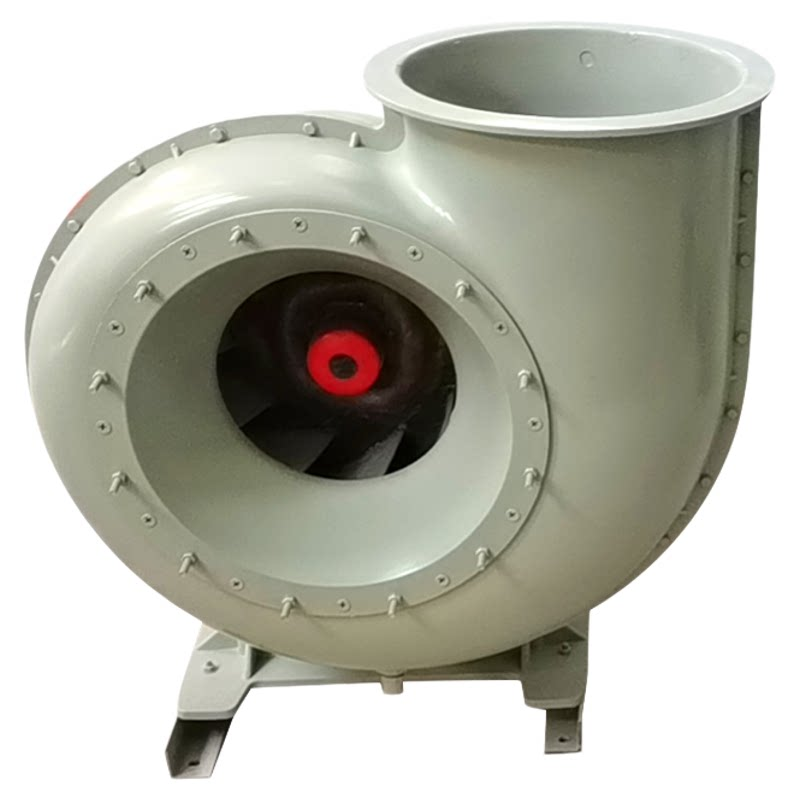
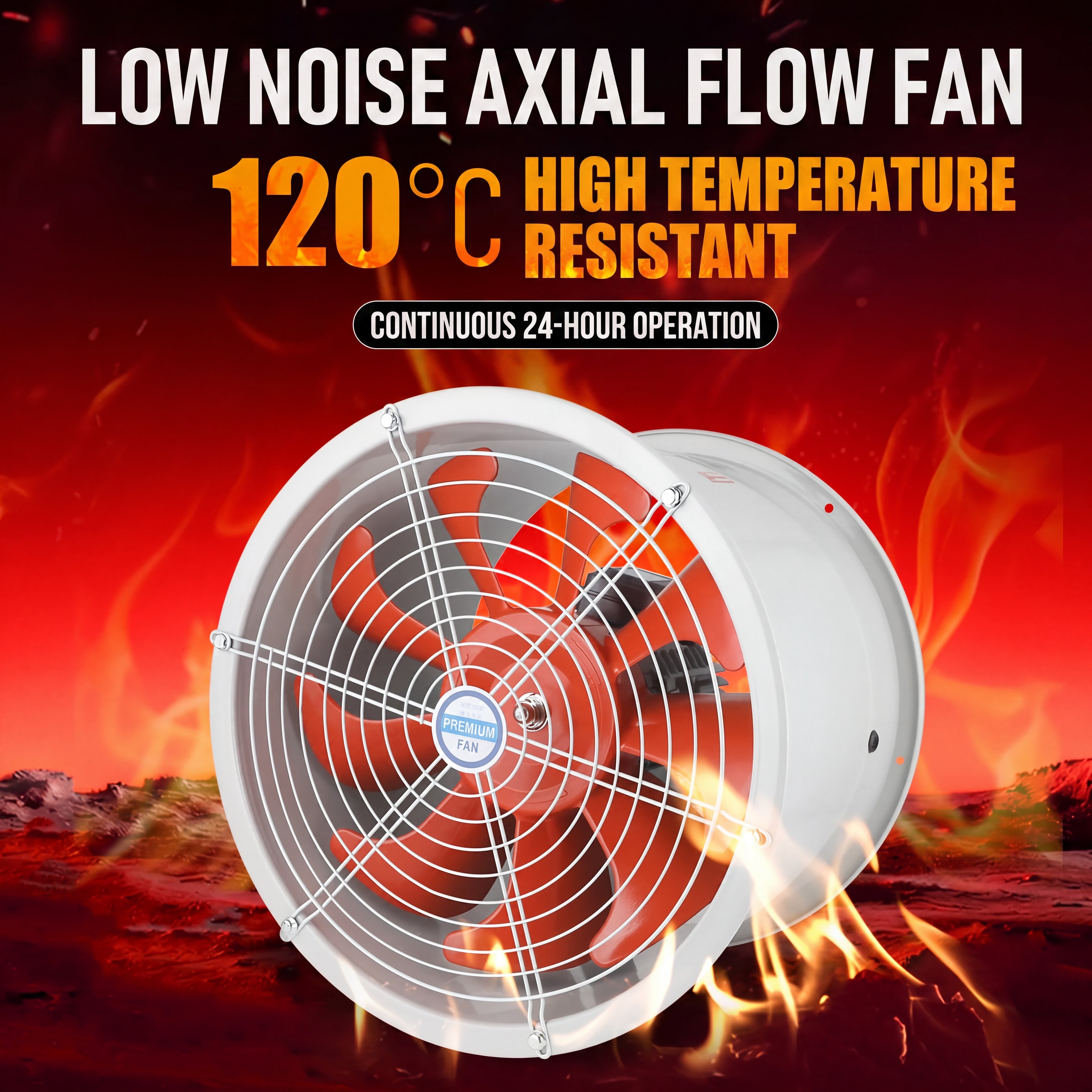
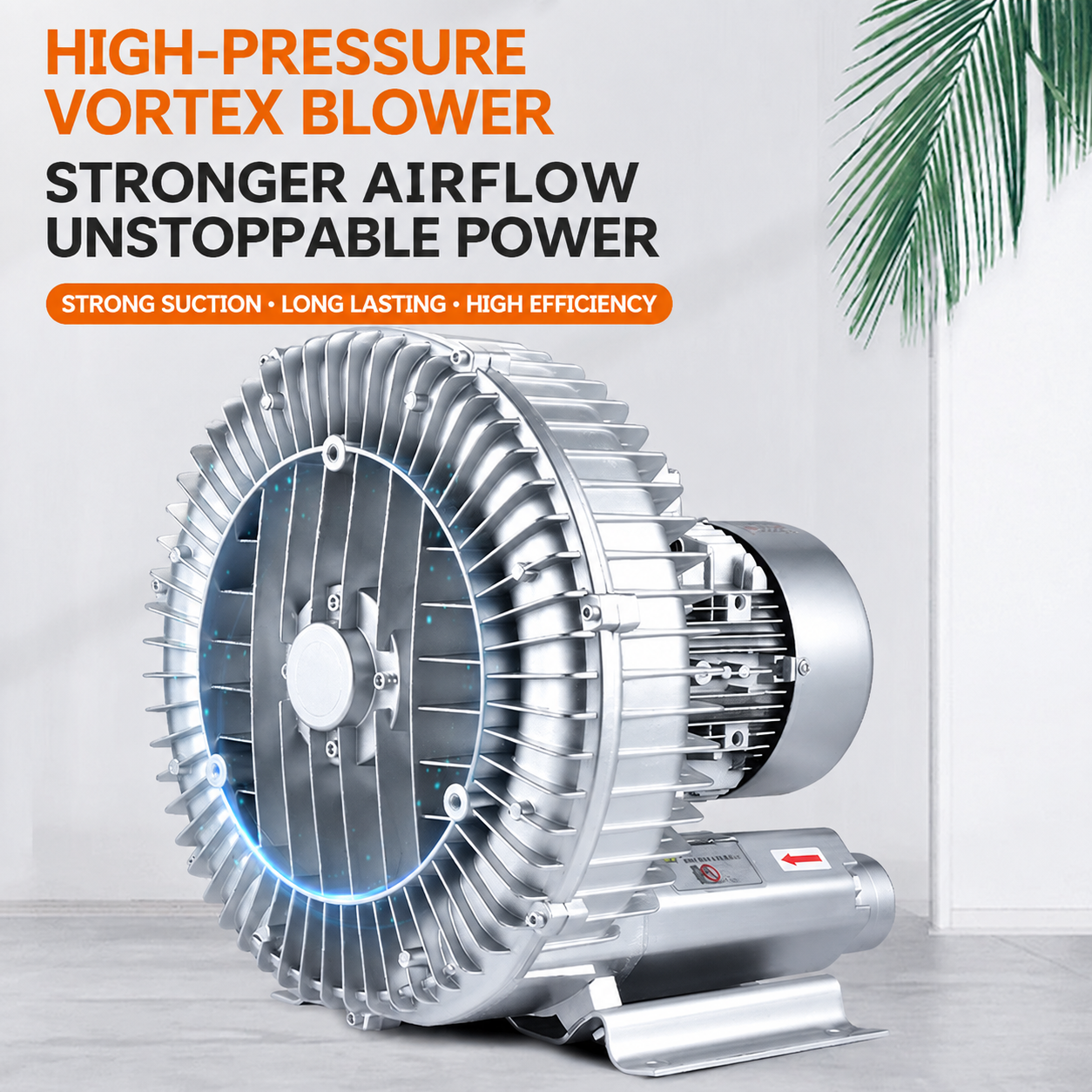
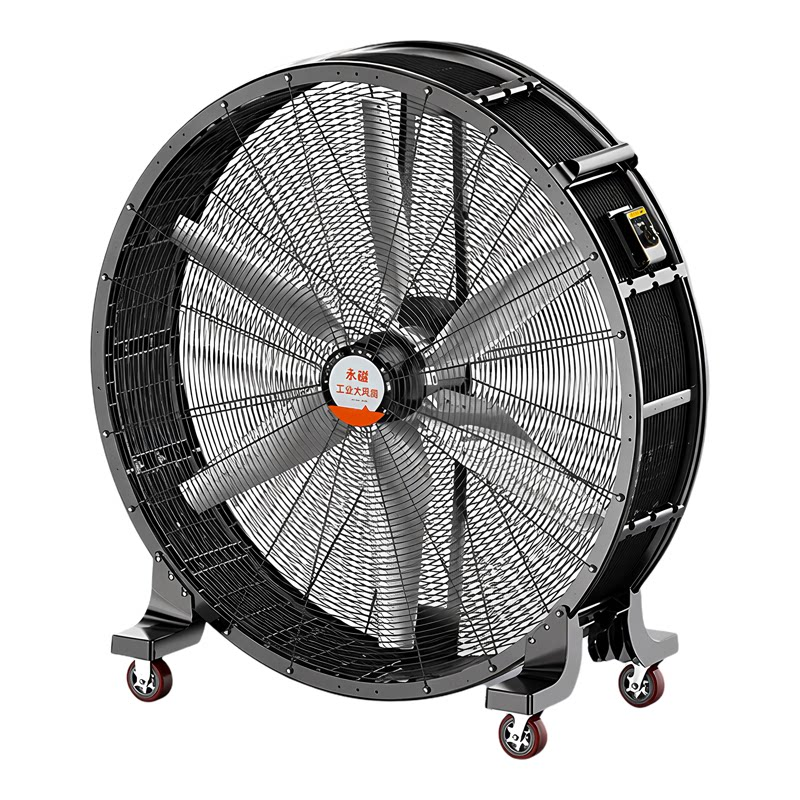
For a short and open air path, an axial fan may be a good starting point. When a roof attic fan must push through more resistance, compare a centrifugal design. It is selected for pressure as well as airflow. The four catalog products on this page are centrifugal options. They are the closest published products for this topic. They are not claims that the catalog has a dedicated roof attic fan.
The 4-72A products list up to 2,500 Pa maximum static pressure and several structures. The 9-19 and 9-26 products are high-pressure options. A project team must still check airflow, pressure, air medium, mounting, and power before it chooses a fan.
Check the Site Conditions
Roof spaces can be hot, dusty, damp, and exposed near the roof opening. Check air temperature at the fan inlet. Do not use only the outdoor weather report. Check if the air is clean or has dust, moisture, fumes, or other material. Do not assume a fan made for one air medium suits another.
- Check power supply, voltage, phase, and control needs before ordering a roof attic fan.
- Plan roof flashing, drainage, guards, and a roof outlet that fits the building design.
- Plan safe access for checks, cleaning, and electrical isolation.
- Review supports and vibration control with the roof structure and duct joints in mind.
If the system supports smoke control, safety, or a regulated use, ask the responsible professional to check local design and install rules. This page is general guidance, not a project code review.
Prepare a Clear RFQ
A clear request helps the supplier discuss a roof attic fan configuration. Send the airflow goal, estimated static pressure, duct sketch, roof or curb size, inlet and outlet conditions, power supply, and site environment. Photos can show clearances and connection issues. If you do not have pressure data, state the longest duct run, number of bends, and air-path parts. The project team can then start with useful assumptions.
Roof Attic Fan Project Checklist
- A roof attic fan needs a stated airflow goal.
- A roof attic fan needs a clear intake route.
- A roof attic fan needs a clear discharge route.
- A roof attic fan needs duct dimensions.
- A roof attic fan needs bend details.
- A roof attic fan needs louver details.
- A roof attic fan needs guard details.
- A roof attic fan needs damper details.
- A roof attic fan needs roof opening dimensions.
- A roof attic fan needs curb dimensions where used.
- A roof attic fan needs the power supply details.
- A roof attic fan needs the voltage details.
- A roof attic fan needs the phase details.
- A roof attic fan needs the inlet air temperature.
- A roof attic fan needs the expected dust condition.
- A roof attic fan needs the expected moisture condition.
- A roof attic fan needs a mounting plan.
- A roof attic fan needs a support plan.
- A roof attic fan needs safe service access.
- A roof attic fan needs a safe isolation plan.
- A roof attic fan needs roof flashing details.
- A roof attic fan needs drainage details.
- A roof attic fan needs a system-curve review.

 EN