Powerful Extractor Fan Selection Guide

Get a Free Quote

Our representative will contact you soon.
Email
Mobile/WhatsApp
Name
Company Name
Message
0/1000
Powerful Extractor Fan Choices for Work Sites

Powerful Extractor Fan Choices for Work Sites

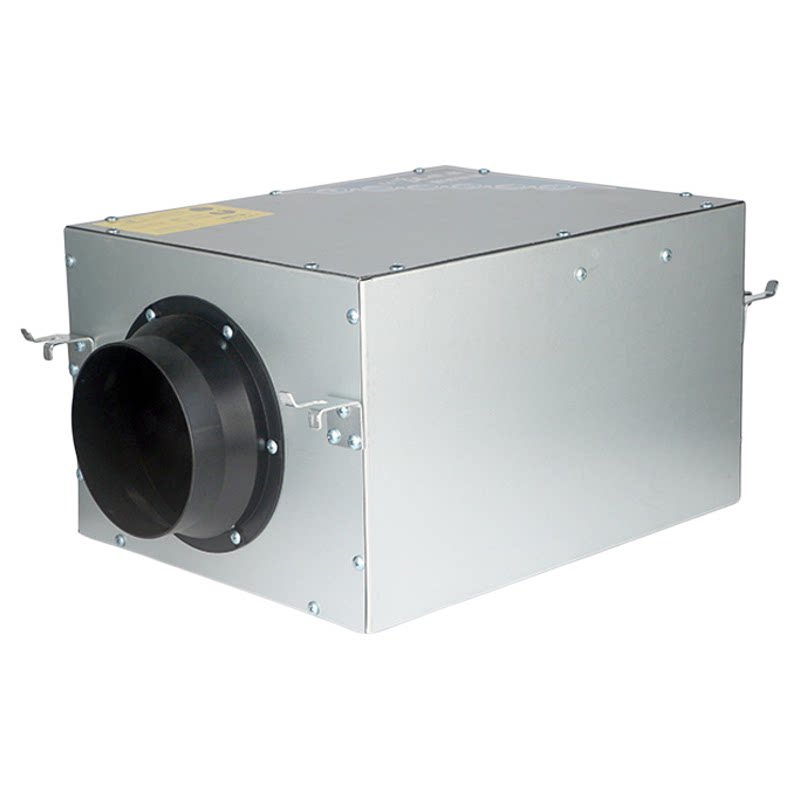
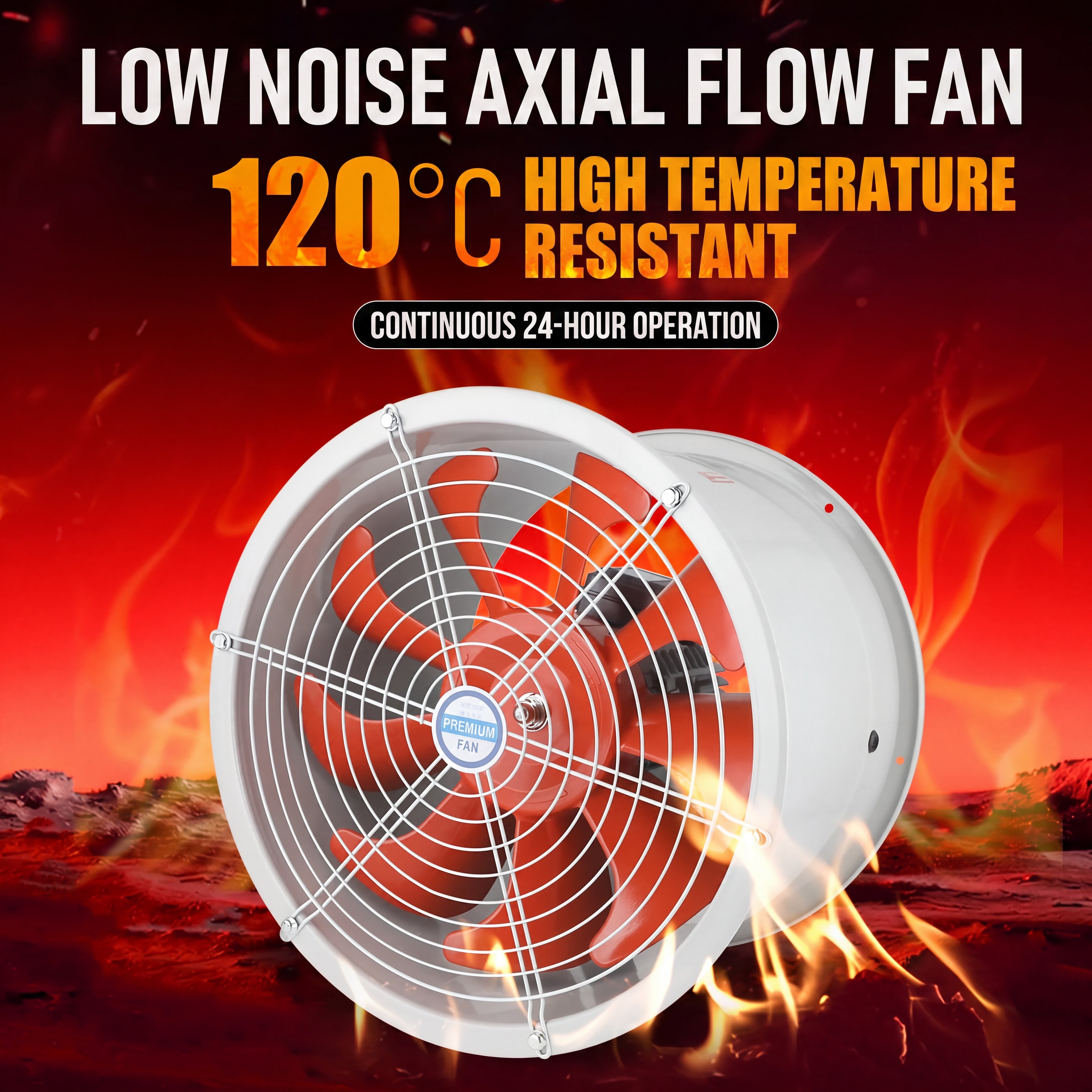
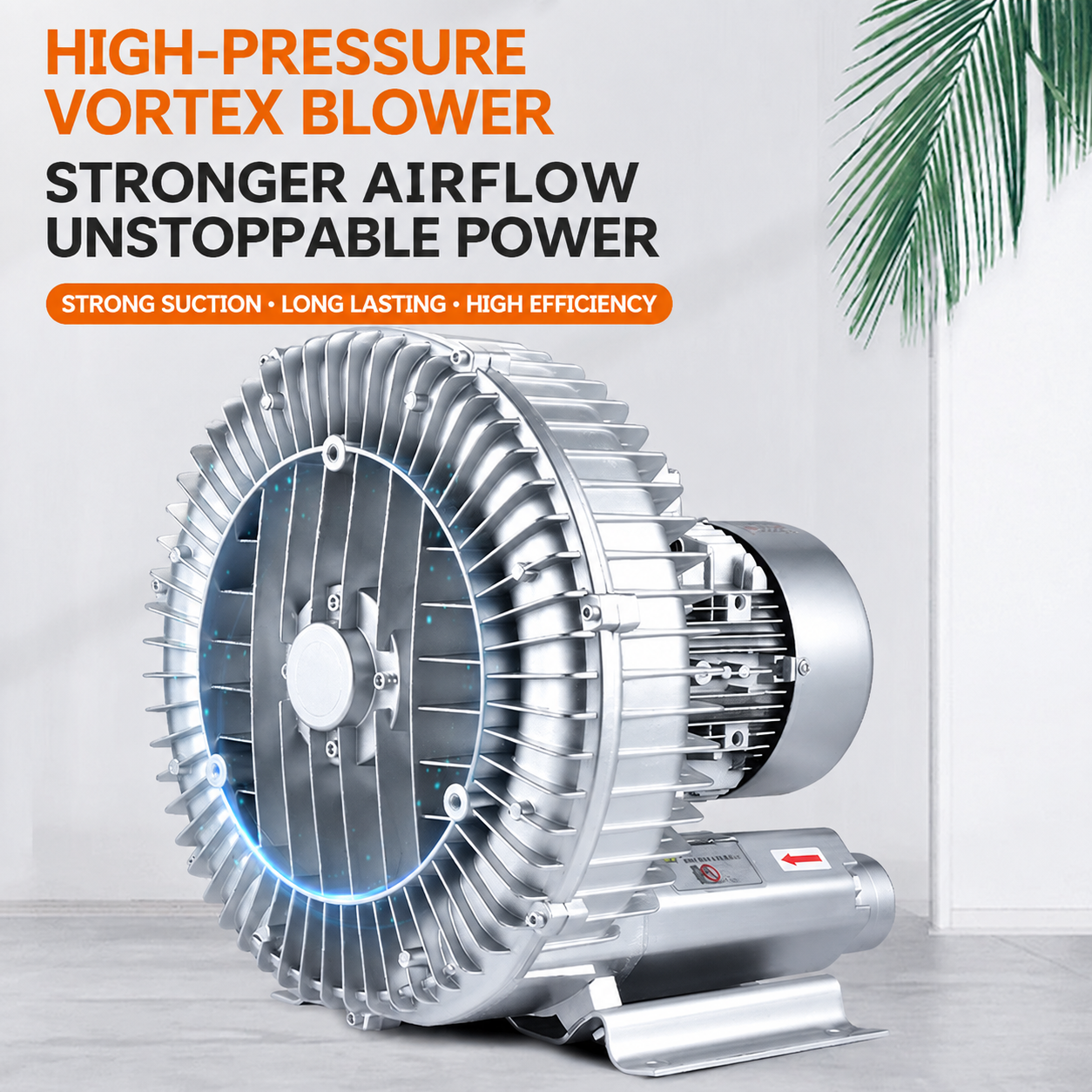
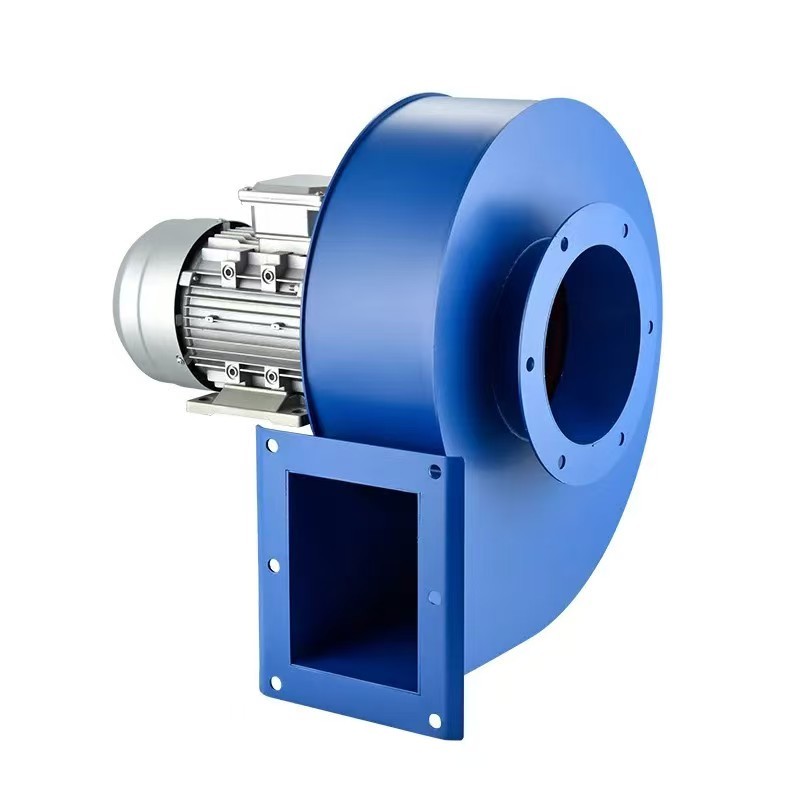
A powerful extractor fan must suit the air path, not just show a large air rating. This guide helps contractors, plant teams, and dealers compare fan types for drying rooms, work shops, kitchens, and short-term jobs. A powerful extractor fan may be an axial unit for a direct air path, a portable axial unit for a work site, or a centrifugal unit for a duct run. The available range has a steel axial fan for drying rooms, a high-airflow axial fan, a portable fan for enclosed spaces, and a low-noise centrifugal fan for kitchen exhaust. Zicheng makes axial fans, centrifugal fans, kitchen exhaust fans, and vortex blowers. Send the air flow, duct plan, heat, and work use for a model discussion and a quote.
Get A Quote

Manufacturer Context

Direct factory work and a broad fan range give buyers a clear starting point for a project talk.

Direct Fan Production

Taizhou Zicheng Electromechanical Co., Ltd. is a maker, not a trading firm. It has direct factory production for the fan products it offers. This gives a project buyer a direct way to discuss product needs and quality-control needs at the production source.

Multi-Type Fan Portfolio

The range has standard and handheld axial fan types, CF-11 and 11-62 centrifugal fan types, and PCF-series smoke exhaust fans. This lets buyers compare fan types when one job has more than one air zone or one kind of duty.

Related products

Match Pressure to the Duct

Match Pressure to the Duct

A powerful extractor fan is not only an air volume number. Bends, filters, hoods, dampers, duct length, and outlet parts add drag. For a long or tight duct path, a centrifugal unit may fit better than an axial unit. Check the fan curve and the real duct load before you pick a model.

What a Powerful Extractor Fan Must Do

A powerful extractor fan must move air at the job site, not just in an open test area. Start with the air you need to take out. It may be heat, wet air, dust, fumes, smoke, or cooking vapour. Next, map the air path. Note where the air starts, where it goes, and where it leaves the site. A powerful extractor fan in an open wall can face a much lighter load than one linked to a long duct.

Ask for the air flow need, power supply, run time, and heat near the motor. A powerful extractor fan also needs a safe place to mount. These facts turn a broad web search into a useful model talk. They help you tell a room-air need from a process or fume task.

Choose the Fan Type

A powerful extractor fan can be an axial fan when the air path is short and direct. The product range has an aluminum blade axial fan listed at 39,000 m³/h for tobacco curing. It also has a 304 steel axial fan listed for drying rooms. A powerful extractor fan for these jobs must still match the room heat, damp air, and site plan.

A powerful extractor fan can be a centrifugal fan when the duct path has more drag. Long ducts, bends, filters, hoods, and dampers can all add drag. The 11-62 low-noise centrifugal fan is listed for hotel kitchens. A powerful extractor fan should be picked by its duty point, not by the idea that one fan type fits all work.

  • A powerful extractor fan with an axial design can suit high air flow through a direct route.
  • A powerful extractor fan with a centrifugal design may suit a route with more duct drag.
  • A powerful extractor fan for a drying room may not suit grease air from a kitchen hood.

Map the Duct Route

A powerful extractor fan can lose useful air flow when the duct route is not clear. List the duct size, full length, bends, inlet, outlet, grilles, filters, and dampers. Draw the route if you can. A powerful extractor fan should be chosen after this map is made. It helps the supplier see where the air load comes from.

A powerful extractor fan also works in a real air setting. A drying room, a hot kitchen roof void, and a work shop do not have the same heat or wet air. The steel axial fan is listed for drying rooms. The portable axial flow fan is listed for enclosed spaces. A powerful extractor fan needs a use check before its listed product facts are used on a new job.

Plan Fixed or Mobile Use

A powerful extractor fan may be part of a fixed system or a short-term work plan. The portable axial flow fan is listed for enclosed spaces. It can be a fit when the work point moves. A powerful extractor fan for a fixed system needs a planned duct route and a set discharge point. A mobile unit should not take the place of a designed fixed system when the job needs nonstop air draw.

A powerful extractor fan also needs room for checks and care. Plan access to the fan, motor, guard, filters, and duct joints. A powerful extractor fan needs the right mount space and air direction. A powerful extractor fan may need vibration control. These steps are much easier before the duct is put in place.

Send Useful Job Facts

A powerful extractor fan quote needs clear job facts. Send the use, air flow, duct plan, heat, voltage, mount place, and air type. For a kitchen, add hood size and the way to the outlet. For a drying room, add room form and heat. For an enclosed space, add the space size and duct length.

A powerful extractor fan is best discussed with its real duty point. Zicheng offers axial fans, centrifugal fans, kitchen exhaust fans, and vortex blowers. Send the work facts so a powerful extractor fan talk can focus on the real system, not only a nameplate air number.

Powerful Extractor Fan FAQ

Basic questions for comparing extractor fan options.

How do I size a powerful extractor fan?

A powerful extractor fan should be sized from the job facts. State the air flow you need. Then add duct size, duct length, bends, filters, hood or inlet details, outlet plan, heat, and voltage. These details show the load that the fan must meet. A powerful extractor fan with a high free-air rating may give less air once the duct load is added. Compare the needed duty point with the product data before you select a model.
A powerful extractor fan with a centrifugal design is often checked when the job has long ducts, bends, filters, hoods, dampers, or other parts that add drag. It is not the right choice just because there is ductwork. The real air flow and duct load still matter. A powerful extractor fan should be compared with the product data for that duty point. The 11-62 fan is listed for hotel kitchens, but the final choice must fit the actual layout and air type.
A powerful extractor fan with an axial design can work with a duct route when the site load fits its product data. A short, direct route does not act like a long route with bends, grilles, filters, and joins. A powerful extractor fan must be checked with the full air path in mind. The selected axial products are listed for drying-room and curing work. Their listed uses are a start for a talk, not a promise for all ducted jobs.
Send the job use, air flow, duct sketch or size, heat, voltage, mount spot, and air type. Say if the fan will run all day or only at set times. Say if you need a fixed or mobile unit. A powerful extractor fan quote for a kitchen also needs the hood size and outlet route. A powerful extractor fan quote for a drying room needs the room shape and heat. Clear facts help the supplier discuss a fan type without guessing.

Related article

Centrifugal blower noise reduction modification meets indoor workplace standards.

25

Oct

Centrifugal blower noise reduction modification meets indoor workplace standards.

Understanding Centrifugal Blower Noise Sources and Workplace ImpactAerodynamic, mechanical, and structural origins of centrifugal blower noiseCentrifugal blower noise arises from three interdependent sources: aerodynamic, mechanical, and structural. ...
View More
6 inch extractor fan power and noise parameters need checking before ordering.

27

Oct

6 inch extractor fan power and noise parameters need checking before ordering.

Why Noise Performance Is Critical for 6 Inch Extractor Fan SelectionA quiet fan is not just a convenience—it determines whether users keep ventilation running. Because a 6 inch extractor fan often operates in bathrooms, kitchens, and laundry rooms, p...
View More
How to Choose a Reliable Centrifugal Fan Manufacturer in China (2026 Buyer's Guide)

14

Sep

How to Choose a Reliable Centrifugal Fan Manufacturer in China (2026 Buyer's Guide)

A practical 2026 buyer's guide to choosing a trustworthy centrifugal fan manufacturer: certifications, quality control, SS304 materials, OEM support, MOQ and delivery.
View More
How to Choose the Right Aquaculture Aerator for Your Fish Farm (2026 Buying Guide)

14

Sep

How to Choose the Right Aquaculture Aerator for Your Fish Farm (2026 Buying Guide)

Paddle wheel, impeller or vortex? Learn how to size a pond aerator, cut energy costs and find a reliable aquaculture aerator manufacturer for your farm.
View More

Get a Free Quote

Our representative will contact you soon.
Email
Mobile/WhatsApp
Name
Company Name
Message
0/1000