Define the BBQ Range Hood Job
A bbq range hood is one part of an exhaust system. Start with the cooking line. List the hood size, the number of grills, the fuel type, and the busy cooking hours. This helps you describe the heat, smoke, and grease load. A bbq range hood for a new kitchen may have a very different duct plan from a bbq range hood that replaces an old unit.
For a new bbq range hood, plan the hood, fan, duct, service space, and power supply at the same time. For a replacement bbq range hood, inspect the old duct route first. The old route may limit where the fan can sit or where air can leave the building.
Check the Whole Duct Route
A bbq range hood fan rating is only one part of the choice. In a ducted bbq range hood system, the air delivered at the hood depends on the whole route. Duct length, size changes, elbows, filters, dampers, and the outlet can each slow air down. A high airflow number may not give the result you want if these parts are left out of the plan.
- For each bbq range hood, note the straight duct length and every elbow or branch.
- For each bbq range hood, list filters, grease units, dampers, and louvers.
- For each bbq range hood, show where the fan will sit and where air will leave.
- For each bbq range hood, confirm the power supply and any limits on noise or space.
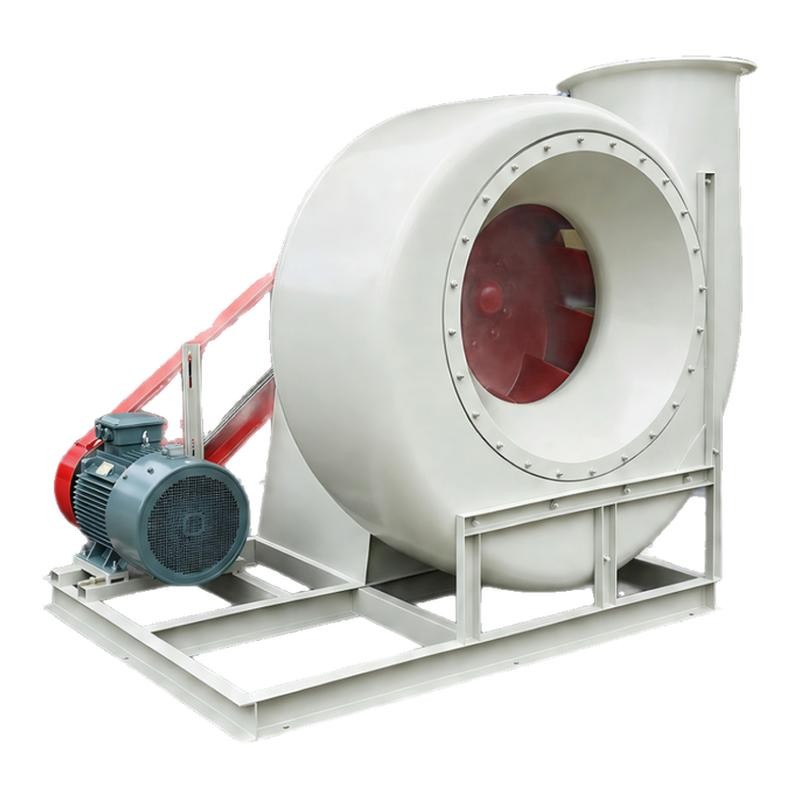
For a long route with more resistance, a centrifugal fan may suit a bbq range hood better than a fan picked only for free-air flow. The CF-11 and 11-62 records list multi-wing centrifugal designs with a published maximum static pressure of up to 1,000 Pa. Those limits do not replace a system check. Compare the planned bbq range hood duty point with the fan curve and the actual site conditions.
Review the Available Fan Types
The three catalog products on this page are close options for a bbq range hood plan. They are not a claim that they are full bbq range hood sets. The 11-62 low-noise centrifugal fan is listed for hotel kitchens. Its record lists motor options from 0.75 kW to 5.5 kW, up to 20,000 m³/h, and up to 1,000 Pa. It has a multi-wing centrifugal impeller and a belt drive.
The CF-11 is another multi-wing centrifugal fan for kitchen use. Its record lists a flange for duct work, several motor power options, a maximum of 20,000 m³/h, and a maximum of 1,000 Pa. If a bbq range hood sits near diners or staff, ask how the noise figure was measured. Check the full bbq range hood system as well, since ducts and mounts can add noise.
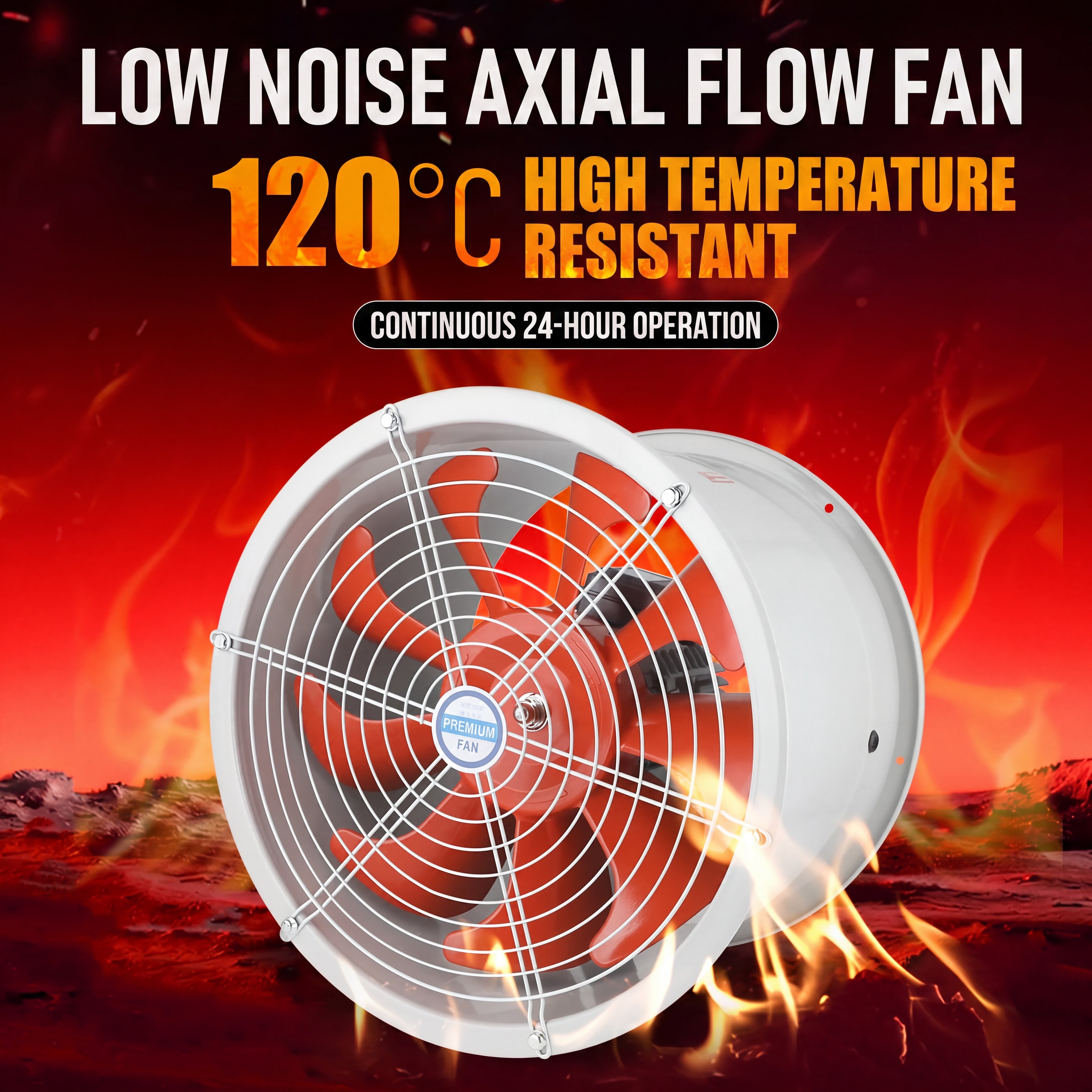
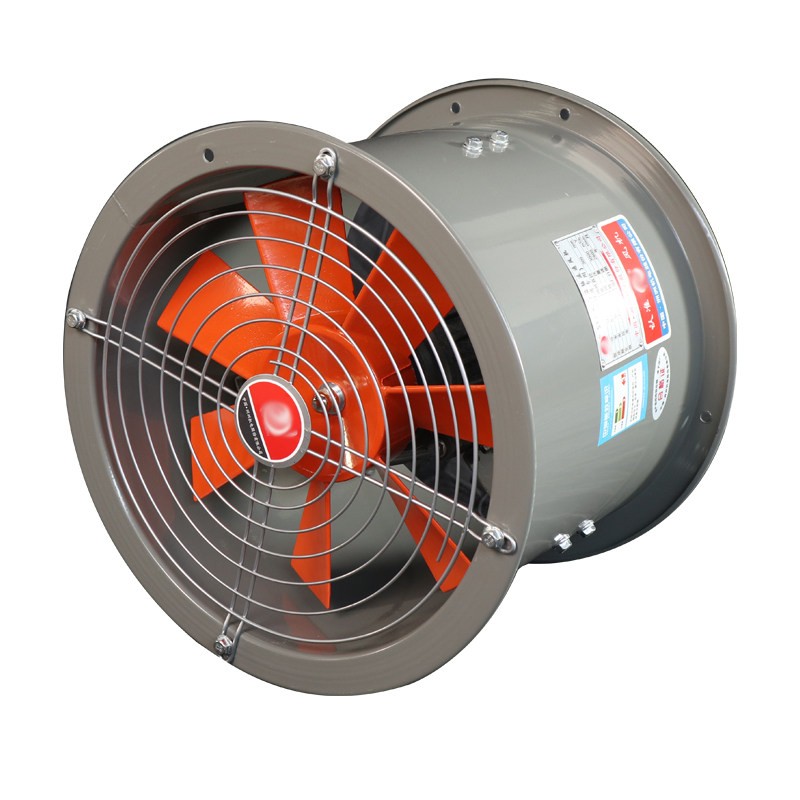
The cabinet smoke exhaust fan is a compact option for a bbq range hood project with limited space. Its record lists a cabinet form, direct drive, IP65 motor protection, high-temperature coils, and high-temperature bearings. Use it only when it fits the project design and local rules. A product page does not replace the work of the fire or ventilation engineer.
Make Space for Service
A bbq range hood system needs access for routine work. Leave space to inspect the fan, change or clean filters, and check grease units. Plan the supports, duct joints, vibration parts, and weather cover where needed. A bbq range hood layout that is easy to reach is easier to inspect over time.
Cooking loads can change with the menu, hours, and cleaning practice. Check filters, ducts, joints, and the fan on a regular plan. If a bbq range hood lets smoke out or seems too loud, review the duct layout and the real working conditions before you blame the fan alone.
Ask for a Project-Based Proposal
For a bbq range hood proposal, send the hood size, grill list, duct sketch, duct sizes, duct lengths, elbows, filters, dampers, outlet plan, voltage, and any limits on noise or space. Add photos or drawings if you have them. These facts help ZICHENG discuss a standard fan or a non-standard bbq range hood need. They also help avoid a fan choice that looks right in a catalog but does not fit the installed system.

 EN