Definire Munus Ventilatoris Attici in Tecto
Ventilator atticum in tecto plura officia implere potest. Unus ventilator atticum in tecto aerem calidum ex attico removere potest. Alius ventilator atticum in tecto aerem per gratiam in tecto et ductum trahere potest. Tertius ventilator atticum in tecto intermutationem aeris in camera plantae adiuvare potest. Incipe nomen spatii fontis et puncti effluentis indicando. Deinde statue utrum ventilator atticum in tecto pro exhaustu, pro suppeditatione, an pro intermutatione generali aeris sit. Hoc simplicissimum gradum evitare potest ut productum solum propter locum fixationis eligatur.
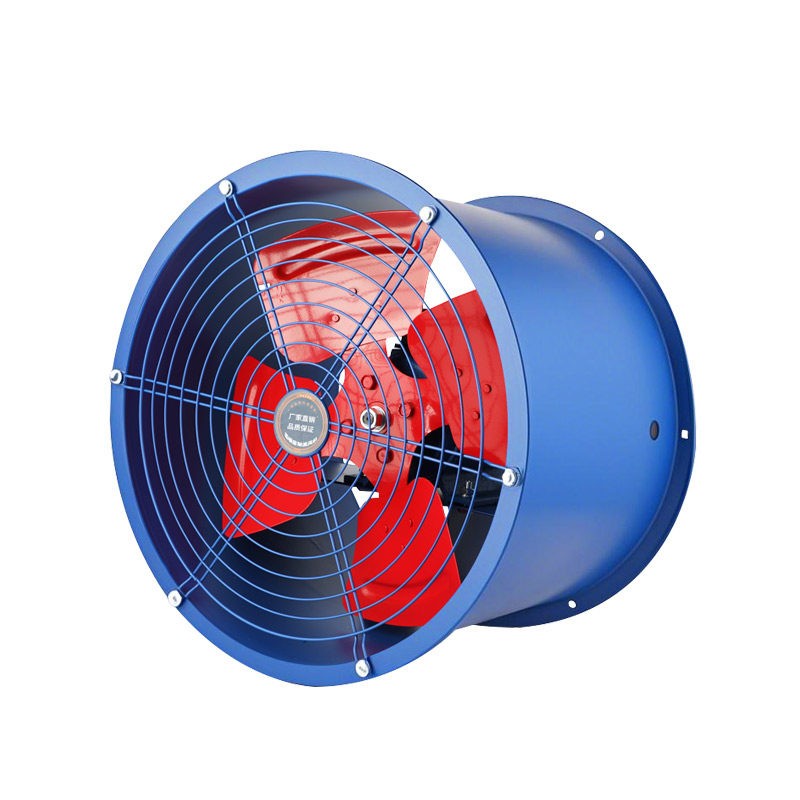
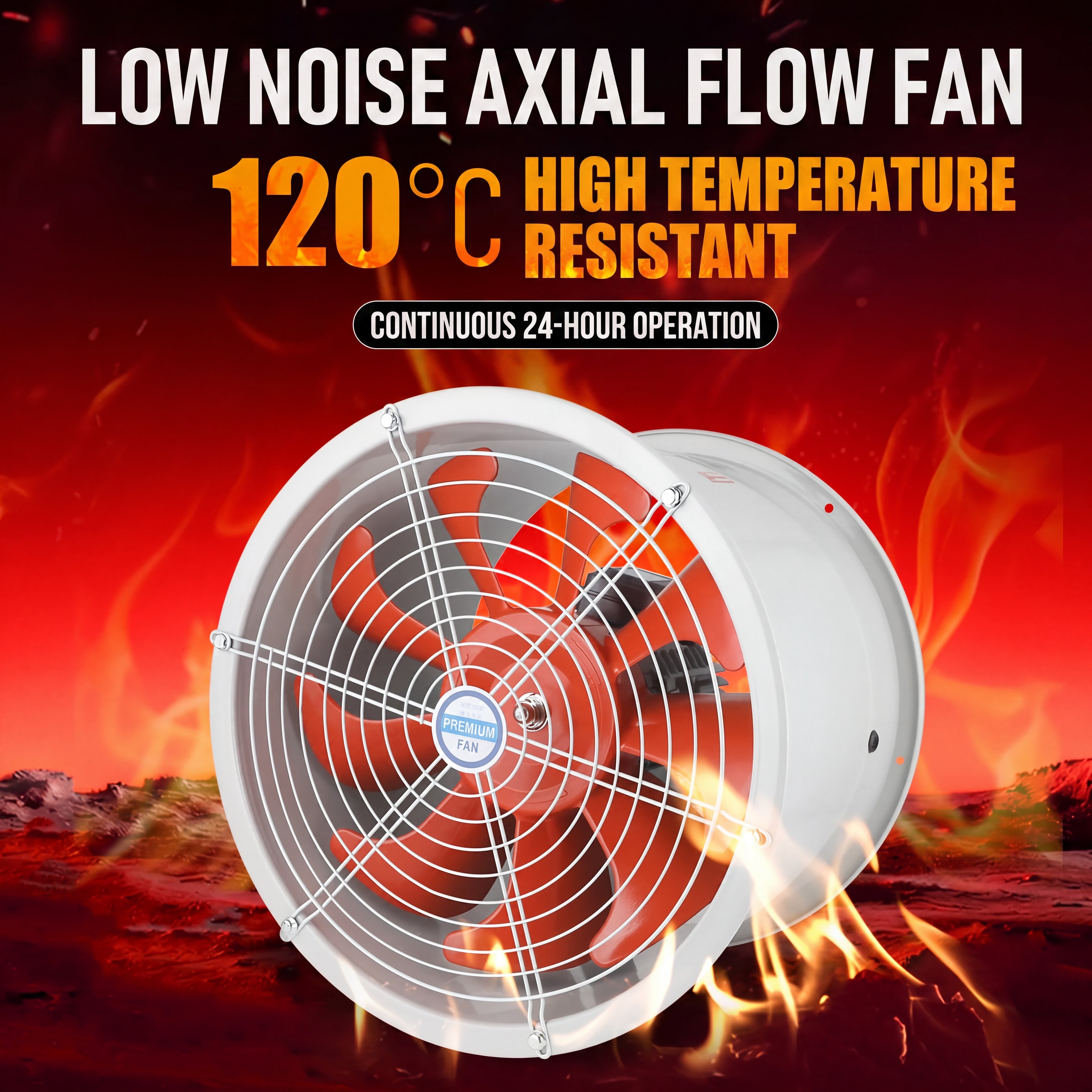
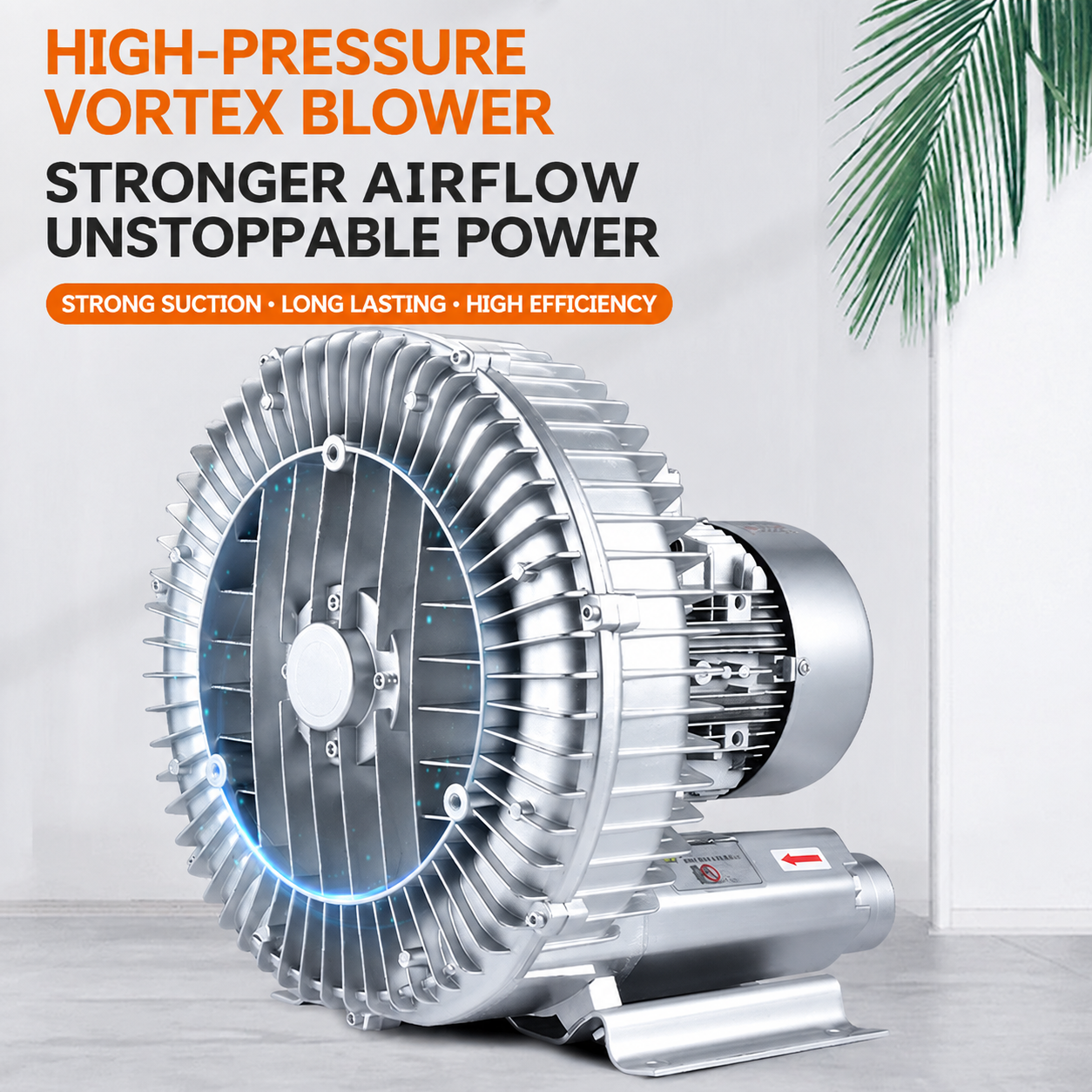
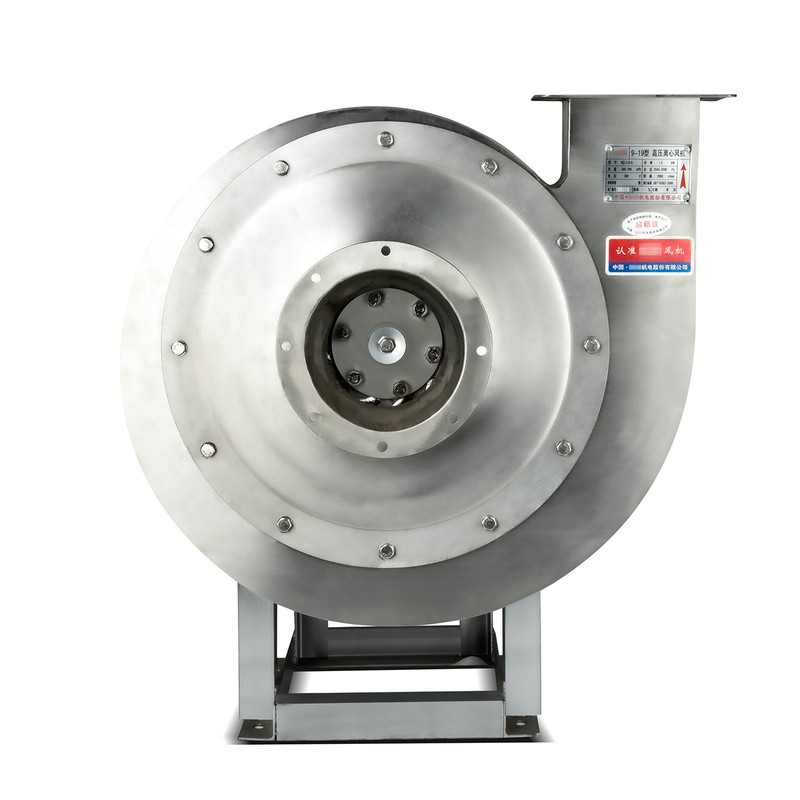
Pro ventilatore atticum in tecto in attico, figuram tecti, aperturam in tecto, accessum ad servitium et ventiles introductores annota. Ventilator atticum in tecto viam claram pro aere substitutionis requirit. Sine hac via spatium fortasse non habebit motum aeris quem exspectas. Etiam statue utrum ventilator atticum in tecto pro domo, pro officina, an pro loco industriali sit. Producta in hac pagina sunt ventiles centrifugales industriales. Non sunt exacti modelli ventilatorum atticorum in tecto. Hos tantum utere cum officium et conditio loci conveniunt.
Stabili le Necesse de Fluxu de Aer
Dimensiona un ventilator de tect pentru pod din spațiu, încărcarea termică, tipul de utilizare și obiectiv. Un prim număr de debit de aer ajută, dar nu este întreaga soluție. Întreabă dacă ventilatorul de tect pentru pod trebuie să funcționeze printr-o capotă de acoperiș, o jaluzea, o grilă sau un canal. Fiecare componentă poate reduce aerul care ajunge la punctul țintă.
- Pentru un ventilator de tect pentru pod, înregistrează dimensiunea încăperii și volumul de aer.
- Pentru un ventilator de tect pentru pod, specifică dacă funcționează non-stop, pe baza unui cronometru sau printr-un semnal de comandă.
- Pentru un ventilator de tect pentru pod, identifică orificiile de admisie sau alte trasee ale aerului.
- Pentru un ventilator de tect pentru pod, notează temperatura sezonieră și temperatura aerului în apropierea intrării.
Aceste detalii ajută un inginer să compare un ventilator de tect pentru pod cu proiectul. Sunt mai utile decât o valoare nominală de debit liber, luată izolat.
Check the Duct Route
Rezistența canalelor este o componentă esențială în alegerea unui ventilator de tect pentru pod. Traseele lungi, coturile, schimbările de dimensiune, filtrele, clapetele și grilele adaugă rezistență. Împreună, ele stabilesc sarcina sistemului. Un ventilator de tect pentru pod trebuie verificat la debitul de aer și presiunea cerute, nu doar la debitul de aer.
The listed 4-72A centrifugal models document up to 2,500 Pa static pressure. The listed 9-19 and 9-26 models document up to 9,200 Pa. These values are stated product limits or maxima. They do not mean that the highest-pressure unit is right for every ceiling attic fan. A short, open discharge may need a different fan class than a long duct route. If the route is not final, send a sketch with duct size, length, bends, and filters. It can help check the ceiling attic fan operating point.
Review the Air and Materials
Before you select a ceiling attic fan, define the air stream. The chosen products have stated limits for temperature and particles. Fit depends on those limits. The stainless 4-72A product, for example, has documented limits for the air it can handle. The carbon-steel 4-72A model has its own stated range. Do not assume that a general ceiling attic fan can handle corrosive, flammable, viscous, or special air streams.
Material also matters. Humidity, salt, cleaning chemicals, and process contaminants can change what is suitable. Ask if the casing, motor, impeller, and electrical design fit the site. If a ceiling attic fan must meet a safety, smoke-control, or protection need, confirm the applicable standard category and final design with the project team. A general page cannot replace that review.
Installationem Planificare
A ceiling attic fan also needs a sound mounting and service plan. Confirm the support point, access panel, clear space, power supply, and discharge direction. The fan and duct should not block roof work or make service hard. Supports and flexible links may help manage vibration, but the final choice belongs to the installation design.
- For a ceiling attic fan, confirm voltage and phase before comparing motors.
- For a ceiling attic fan, allow space for cleaning and inspection.
- For a ceiling attic fan, check the duct joint and support layout.
- Pro unum tecti ventilaorem, includere controles et isolationem ut requiritur a proiecto.
Mitte applicationem pro tecti ventilaore cum photographiis vel simplici schemate, ubi possibile est. Taizhou Zicheng Electromechanical Co., Ltd. potest disserere de fluxu aeris, pressione statica, materia, voltatione, et selectione modello pro definito puncto officii. Hoc utile est ubi proximum productum in catalogo non est exacta congruentia pro tecti ventilaore.

 EN