Define the Job for a 10 Exhaust Fan
A 10 exhaust fan is often requested for a nominal opening or mount. That size can start the search, but it does not confirm a working choice. Start with the air path. Note where fresh air enters, where heat, dust, or fumes begin, and where exhaust will leave. A short open route has a different demand from a route with filters, hoods, elbows, or a long duct.
For a new installation, record the space size, heat source, air direction, and material in the air stream. For a replacement, record the fan location, duct size, power supply, and issue with the old system. A poor 10 exhaust fan result may come from resistance, a blocked inlet, or the wrong fan type. A larger opening may not fix the issue.
Check Airflow and System Resistance
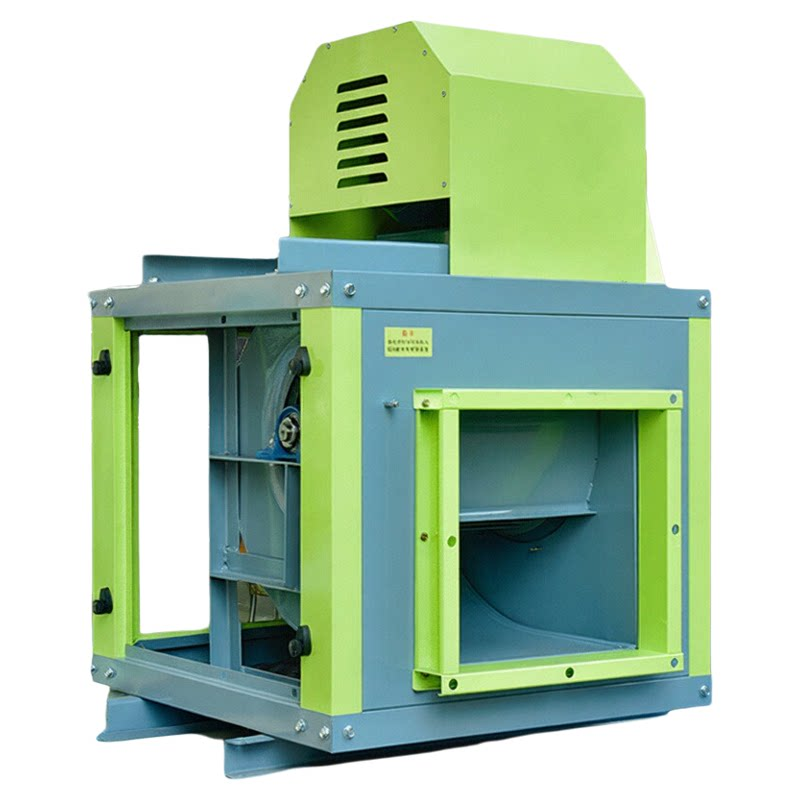
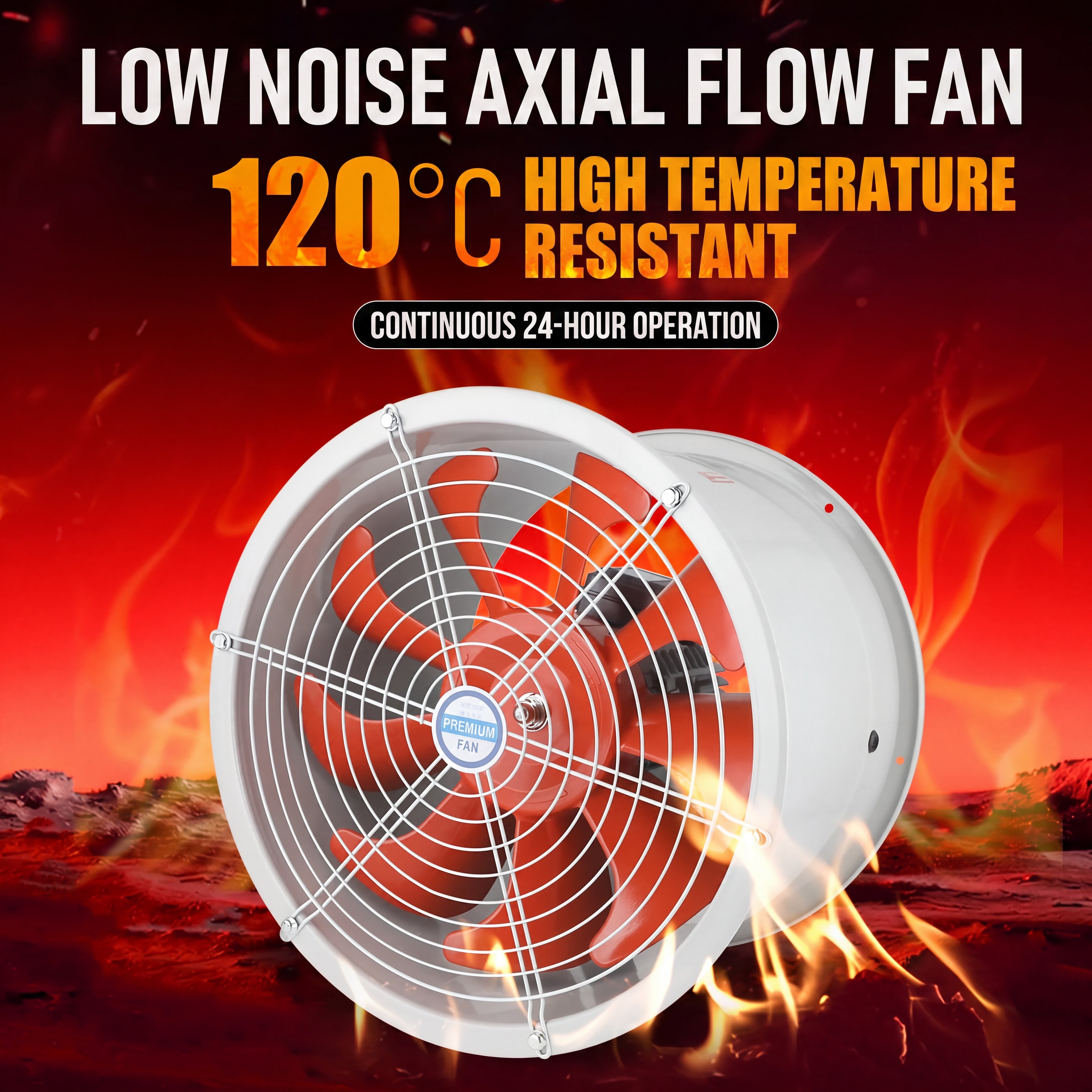
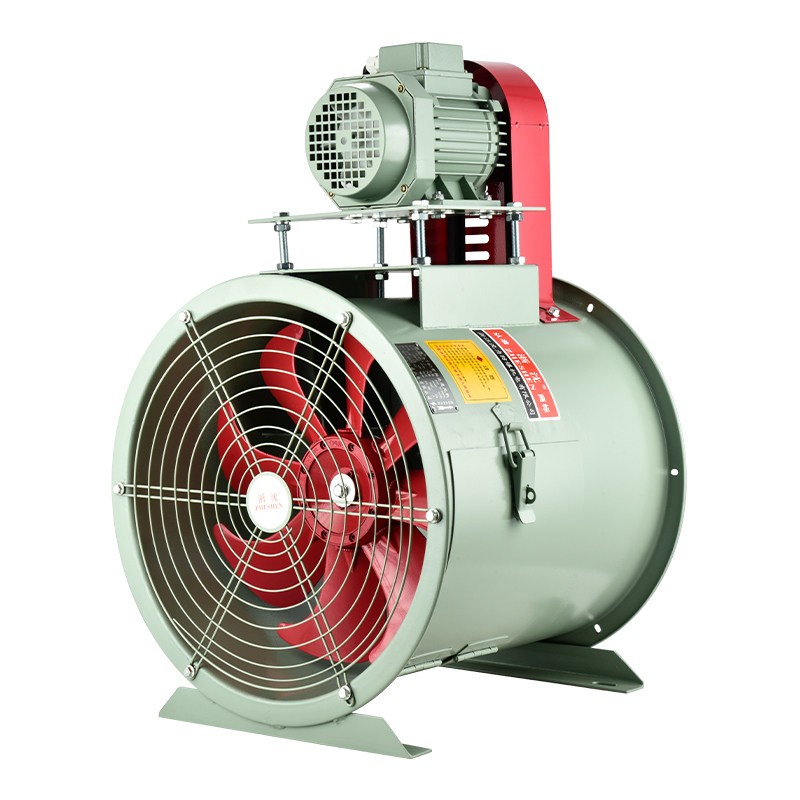
Airflow tells you how much air the fan moves. Static pressure shows the resistance it must overcome. A 10 exhaust fan needs both values. Axial fans often suit high-airflow work with open paths. Centrifugal fans can suit systems with more ducting, filters, or process equipment. The final choice depends on the duty point and the curve for the proposed model.
- List duct length, bends, transitions, filters, dampers, hoods, and discharge details before requesting a 10 exhaust fan recommendation.
- State if the fan will supply, extract, or circulate air, because air direction affects the layout.
- Choose between a fixed 10 exhaust fan installation and a portable unit after you review the work pattern.
- Ask for the fan curve when a long duct or other restriction may reduce delivered airflow.
- Check the inlet area before fitting a 10 exhaust fan, because a blocked inlet limits the air it can draw.
- Check the outlet route for a 10 exhaust fan so discharged air does not return to the work area.
The catalog includes a portable axial-flow fan with a stated airflow range up to 10,000 m³/h for confined-space work. It connects with telescopic air ducts. It is a related option, not a claim that it is an exact 10-inch replacement. Select a 10 exhaust fan only after checking the real conditions and connection details.
Review the Operating Environment
The environment can change the best 10 exhaust fan construction. A dry workshop, humid drying room, commercial kitchen, and maintenance area have different needs. Describe temperature, moisture, dust, grease, fumes, and cleaning exposure. When heat or corrosion matters, review material and motor insulation as well as airflow.
The listed 304 Stainless Steel Axial Fan 200°C for Drying Rooms is a catalog product for drying work. Its record states 220V and 380V options. The aluminum-blade axial fan is a higher-volume catalog option for tobacco-curing work. These examples show the range of related products. They do not prove that either product is right for every 10 exhaust fan job. Confirm voltage, phase, mounting, guard, and site conditions before ordering.
Plan the Mounting and Discharge
Mounting affects airflow and service access. A wall-mounted 10 exhaust fan needs a secure opening and a clear discharge route. A ducted unit needs matching connections and enough space to avoid sharp turns. A portable fan can help with local work, but it does not replace a fixed extraction system when continuous capture is needed.
- Keep the inlet clear so the 10 exhaust fan can draw air without obstruction.
- Use duct sizes and fittings that match the proposed 10 exhaust fan and review tight bends or reducers.
- Allow access for cleaning, checks, and safe work around guards and electrical connections.
- Plan the discharge location so air from the 10 exhaust fan does not return to the intake area.
Prepare a Clear Quote Request
Send the application, opening or duct size, duct length, fittings, power supply, operating temperature, and any dust, moisture, grease, fumes, or corrosion concern. Add a photo or a simple layout if available. For a 10 exhaust fan inquiry, these details help separate axial, centrifugal, kitchen-exhaust, and portable options. They also support a discussion about mounting and discharge before a configuration is chosen.
A clear 10 exhaust fan request saves time at the start. It gives the supplier facts to review. It also helps the buyer compare suitable fan types. If the duty changes, update the 10 exhaust fan details before placing an order.

 EN