Define the Airhood Portable Range Hood Job
First, state what the unit must capture. A counter cooker, demo kitchen, service area, or prep zone can have different heat, vapor, and grease loads. An airhood portable range hood may be a movable or self-contained capture unit. Its setup still depends on the cooker, its position, and local rules. Do not choose a fan from an airflow headline alone. Note the cooker, hours of use, plume direction, room layout, and whether air goes outside through a duct or stays in an allowed treatment system.
For a business project, name the final decision maker. The operator may care about comfort and cleaning. The installer may care about the duct route. The engineer may need airflow and pressure data. One shared brief helps stop an airhood portable range hood from being compared with a fixed fan as if both products do the same job.
Separate the Capture Unit From the Fan
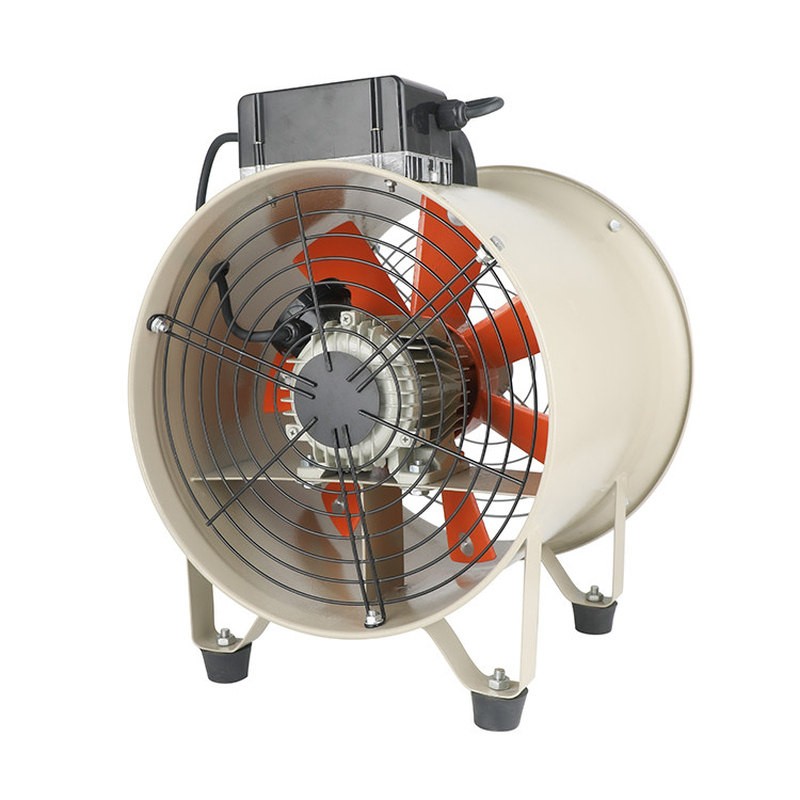
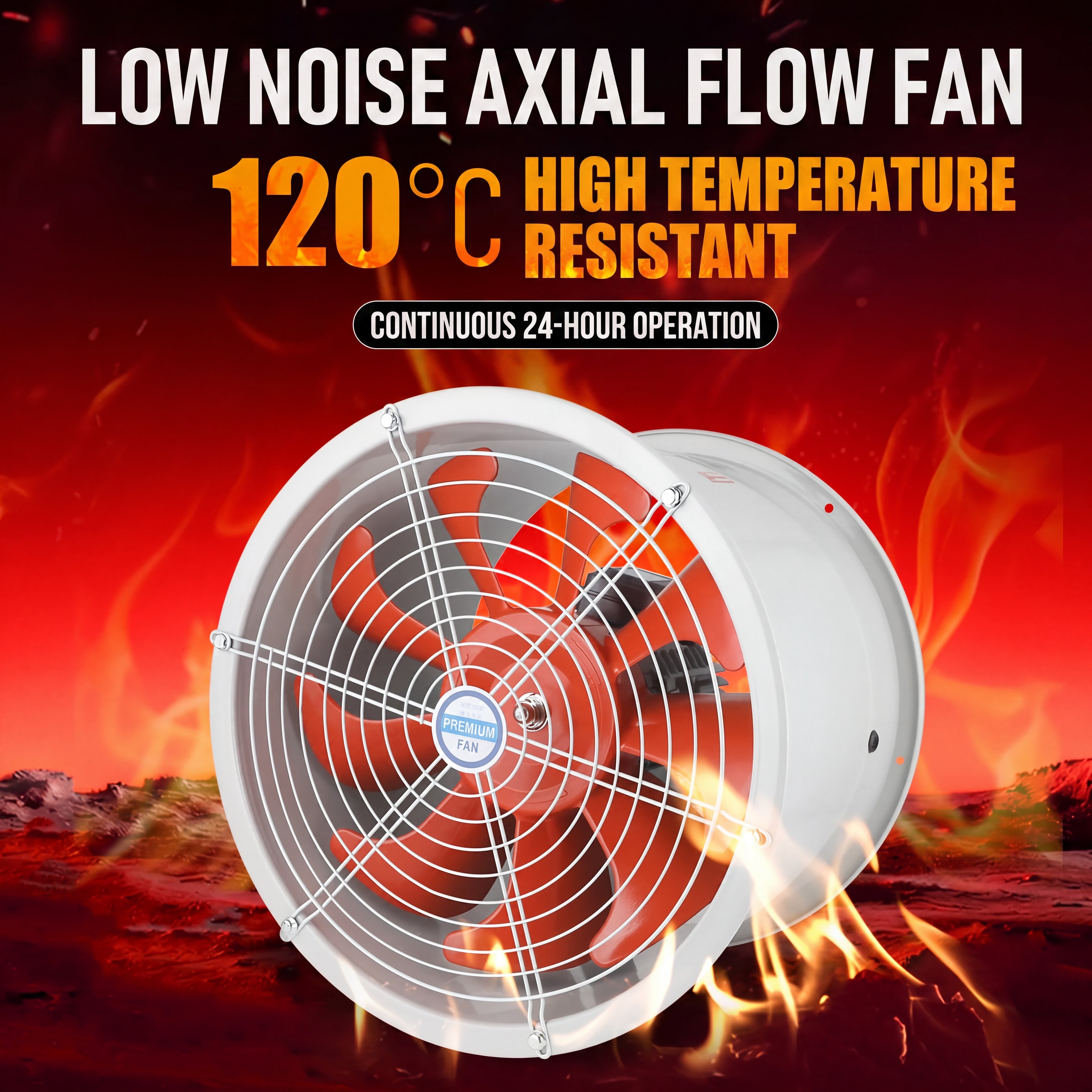
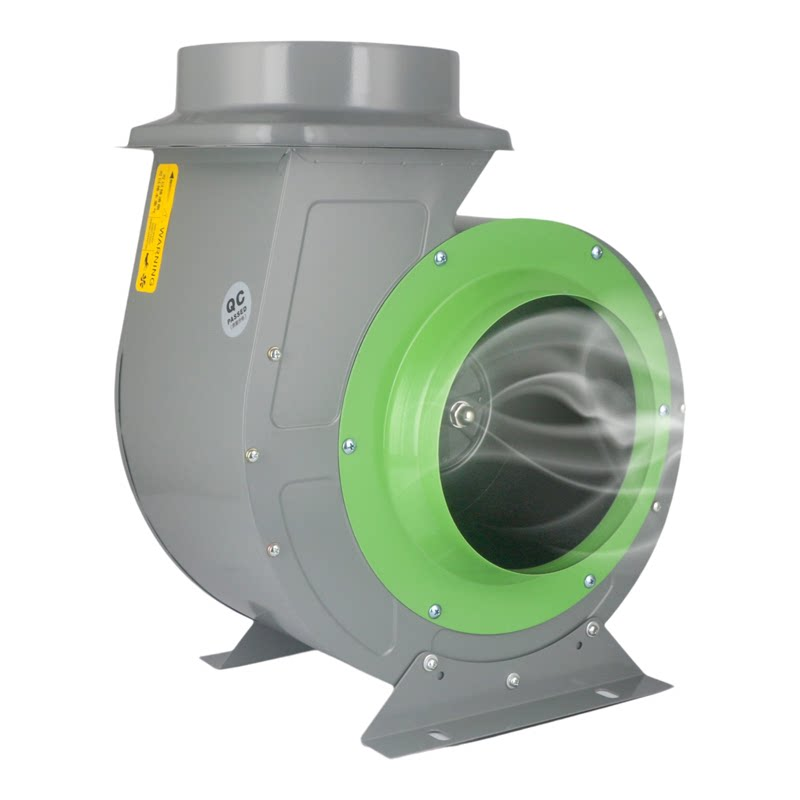
The three listed products are the closest kitchen fan options. They are not exact airhood portable range hood matches. The 11-62 and CF-11 are multi-wing centrifugal fans for kitchen exhaust. The PCF cabinet smoke exhaust fan has published kitchen-use information and a cabinet form. Each option needs a full system check. Check the hood body, duct connection, controls, filter, mounting space, and duty point.
- Discuss a portable capture unit when mobility, counter use, or a compact setup is the main need.
- Discuss a centrifugal fan when a ducted system needs a fan matched to resistance, airflow, and space.
- Check if grease control, make-up air, cleaning access, and outlet rules change the equipment class.
Calculate System Resistance
In a ducted system, air moves through more than the fan outlet. Duct size, duct length, elbows, transitions, filters, dampers, and outside outlets add resistance. A fan may look adequate in open air but move less air through a long or tight duct path. Add a route sketch and component list to an airhood portable range hood inquiry.
When the route has several bends or a filter, compare the duty point with the maker’s published fan data. Do not assume the maximum rated value will apply. The CF-11 product is published with up to 20,000 m³/h and 1,000 Pa maximum static pressure. The cabinet smoke exhaust product is published with up to 10,000 m³/h and 1,000 Pa maximum static pressure. These are product limits, not a promise of site results. Check the final choice against site conditions.
Review Access and Site Conditions
Portable and fixed systems need a service plan. Check where the unit can sit or mount, how power will be protected, and whether staff can reach filters, impellers, and duct joints. A tight ceiling void or back-of-house area can change the fan form. Humidity, cooking vapor, and cleaning also affect the enclosure, motor, and upkeep choice.
The published PCF cabinet fan lists an IP65 motor, high-temperature coils, and high-temperature ball bearings. These facts may help when the product’s published conditions fit the job. They do not replace a check of building, fire, electrical, or ventilation rules. For regulated work, confirm the system design and approvals with the local professional or authority.
Send Details for a Configuration Discussion
A clear inquiry helps the supplier review if an available fan is a sound component. Include the appliance type, kitchen size, capture area, duct route, elbow count, filter type, outlet point, power needs, ambient conditions, and preferred position. If no duct route exists, state that early. An airhood portable range hood project may need another hood or air-treatment approach, not a larger fan.
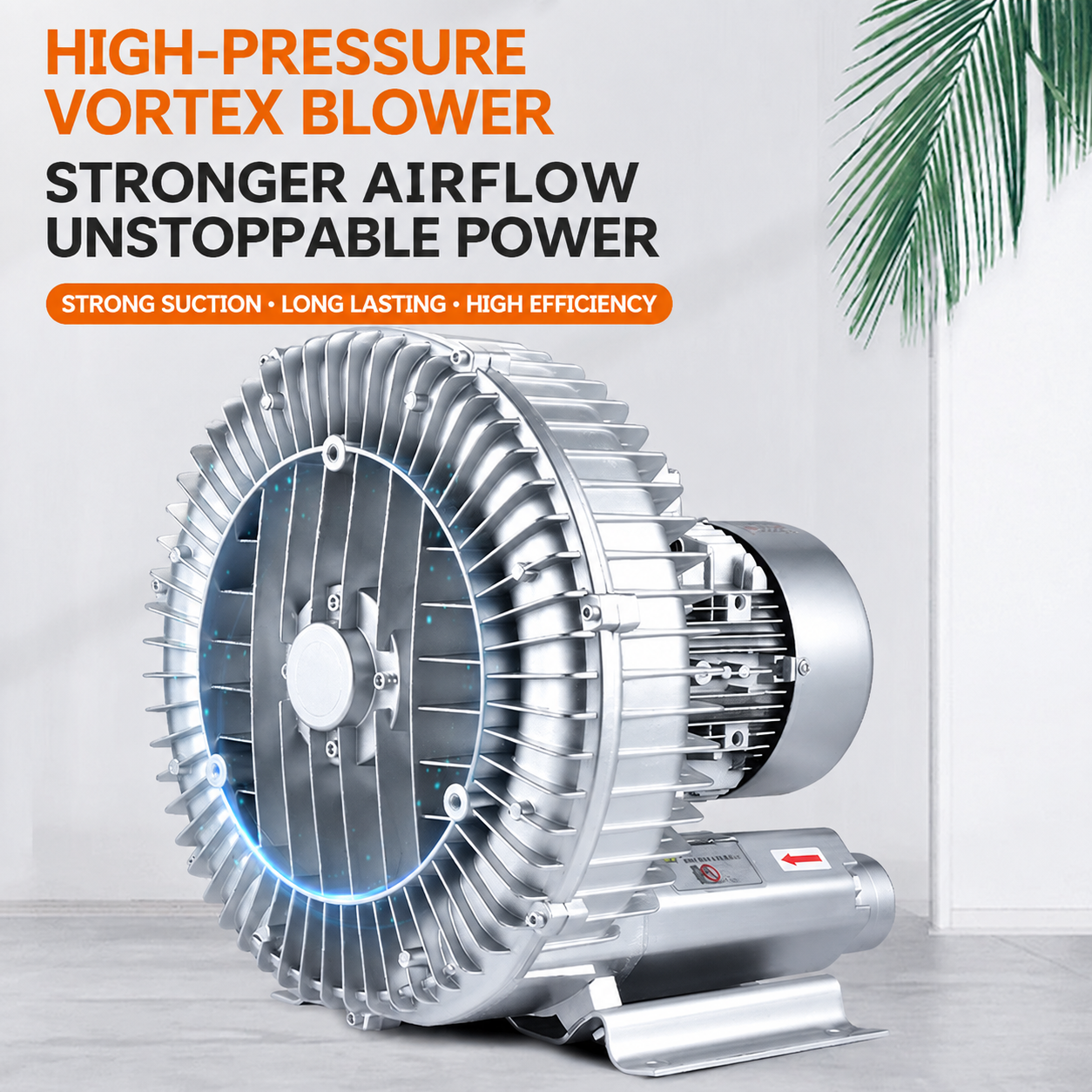
Taizhou Zicheng Electromechanical makes axial fans, centrifugal fans, kitchen exhaust fans, and vortex blowers. The company can discuss airflow and static-pressure sizing, model choice, material, and voltage before an order. This page narrows the discussion. It does not claim that one fan setup fits every airhood portable range hood application.

 EN