Define the Job First
Start an 8 exhaust fan request with the job, not the product name. Where will the 8 exhaust fan sit? What air must it remove? Where will that air go? These simple questions help define the duty. An 8 exhaust fan for a small room may have a very different duty from an 8 exhaust fan near a machine, a drying area, or a work bench. Write the 8 exhaust fan use in clear terms before you compare models.
Measure the room or enclosure. Note the heat, dust, vapor, or moisture source. Mark the air inlet and the outlet. If you know the airflow target, add it to the request. If you do not know it, give the room size and use. This gives a better base for an 8 exhaust fan review. It also helps the supplier check if an 8 exhaust fan is the correct product class for the job.
Look at the Whole Air Path
An 8 exhaust fan can move air only through the path that is available. A short wall outlet is not the same as a long duct. A bend, a filter, a guard, a louver, or a hood can slow the air. This is why an 8 exhaust fan may seem weak after it is installed, even when the label looked right.
List the duct size and its straight length. Count bends. Note any filter, damper, grille, or weather hood. Also say if the 8 exhaust fan will pull air through the duct or push air into it. These details show how much resistance the system has. They also help a buyer compare an axial unit with a higher-pressure option. A simple sketch can make an 8 exhaust fan review faster.
- Give the opening size for the 8 exhaust fan and the free area around it.
- Give the duct diameter, length, and bend count for the 8 exhaust fan.
- State if filters or grilles are part of the 8 exhaust fan air path.
- Describe where the 8 exhaust fan will send the air after discharge.
Choose a Fan Type for the Duty
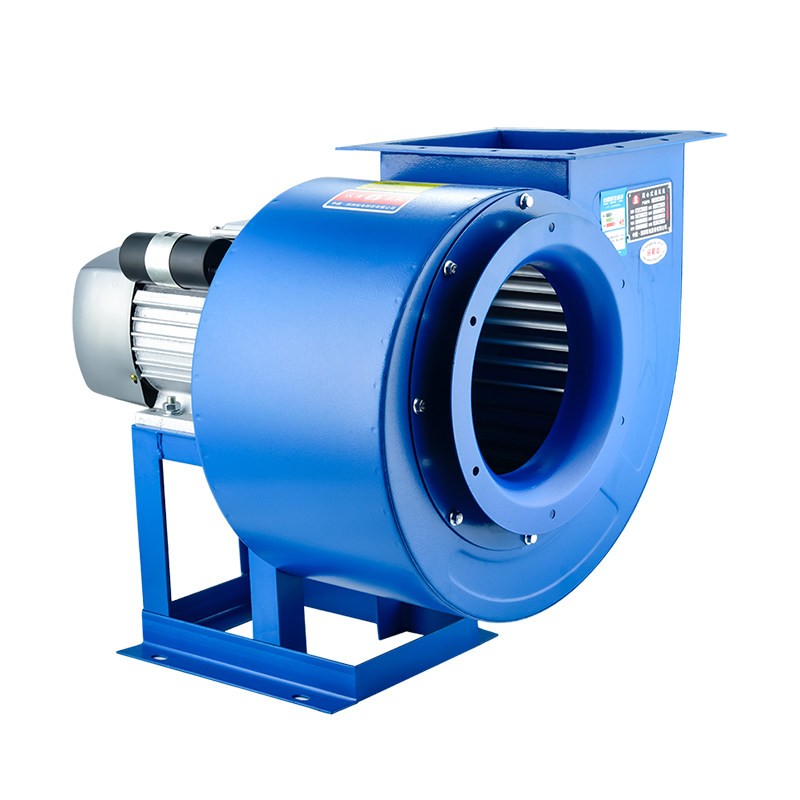
An axial fan moves air in line with its axis. It can be a useful choice for an 8 exhaust fan duty with a short and open path. When the duct is long or the path has more resistance, a centrifugal or mixed-flow type may need review. Do not assume that a larger 8 exhaust fan always solves a pressure problem. The right answer depends on delivered airflow at the installed resistance. For that reason, compare the 8 exhaust fan with the full air path before buying.
The site has a published article that compares axial, centrifugal, and mixed-flow fan designs. It can help a team discuss fan type before it settles on an 8 exhaust fan. Use the article as a guide, then compare the final application with current product details. This is useful when an 8 exhaust fan request changes from an open outlet to a ducted system.
Check the Site Conditions
Site conditions matter for each 8 exhaust fan. Check temperature near the mounting point, not just the general room temperature. Check humidity, dust, vapor, and cleaning methods. Also check the power supply and the mounting surface. These facts can affect material, motor, and enclosure choices. They also show whether an 8 exhaust fan will face a normal room condition or a harder process condition.
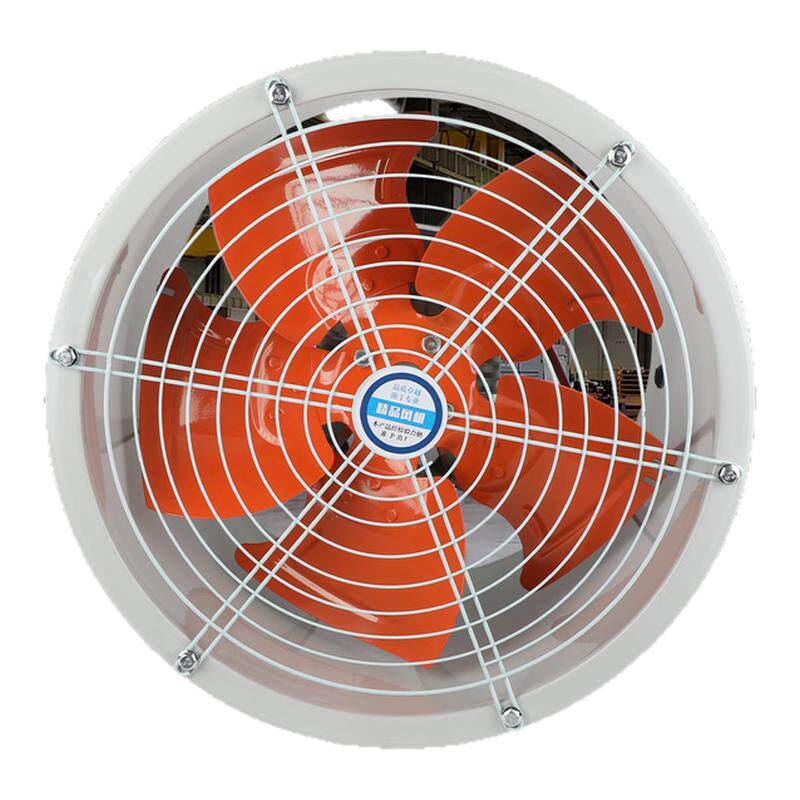
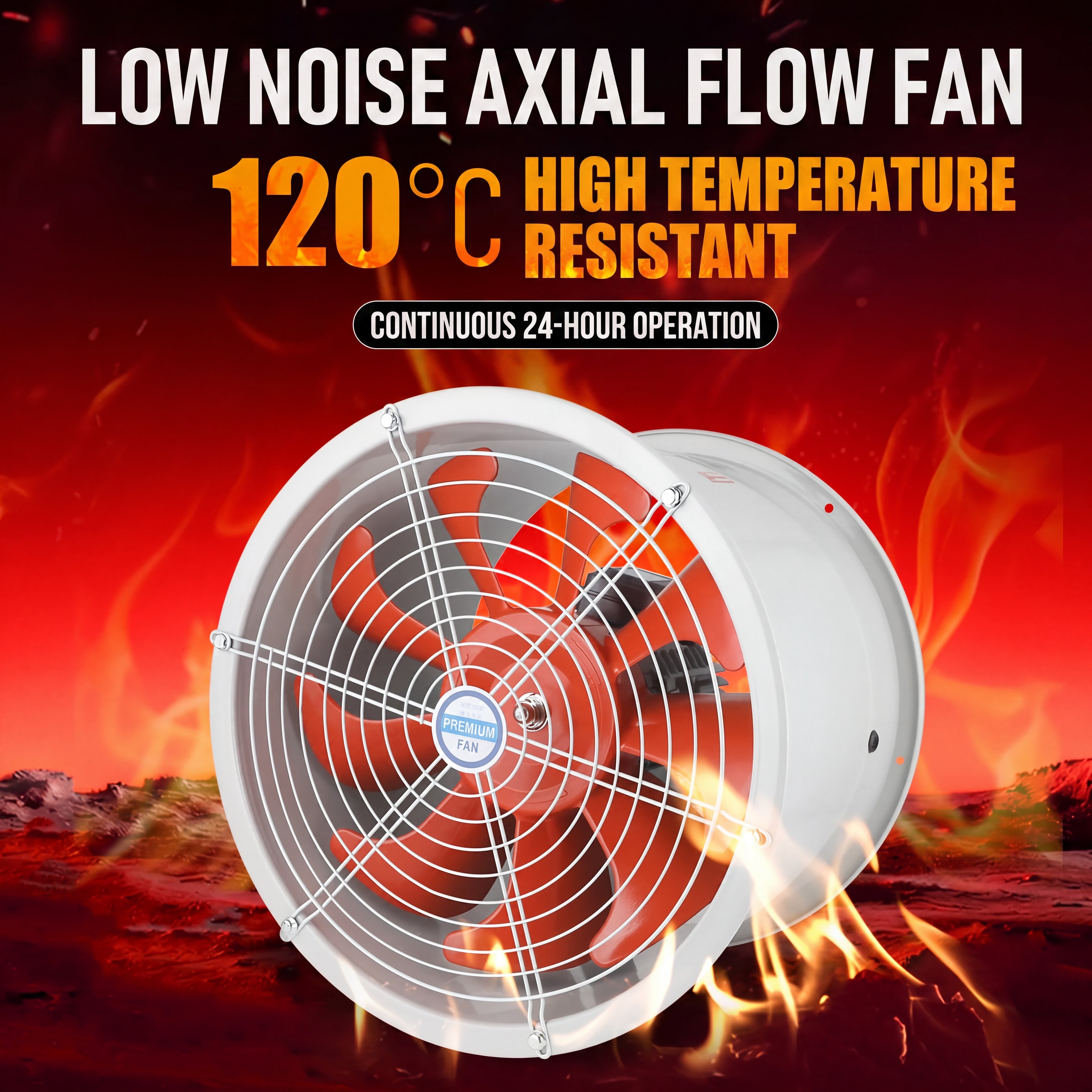
The closest catalog products on this page show why conditions matter. The 304 stainless steel axial fan is listed for drying rooms and its product record states use up to 200°C. That fact applies to that product record. It does not mean every 8 exhaust fan has the same limit. The aluminum blade axial fan is listed for tobacco curing. The portable axial flow fan is listed for confined spaces and can connect with telescopic air ducts. Do not use those product facts as general limits for another 8 exhaust fan.
Use Catalog Products With Care
The listed products are close published options for this 8 exhaust fan topic. They do not prove an exact 8-inch match. Check dimensions, airflow, pressure, voltage, material, and mounting before using a product as a replacement choice. An 8 exhaust fan request may lead to a standard model, another fan type, or a non-standard discussion. A final 8 exhaust fan choice should match a verified product record.
The drying-room fan has a published title that names 304 stainless steel and 200°C. The tobacco-curing fan has a published title with 39,000 m³/h. The portable fan has a published title with 10,000 m³/h. These are separate applications. A buyer should not transfer one product fact to another 8 exhaust fan without confirmation. Ask whether the listed model fits the specific 8 exhaust fan mounting and air path.
Send a Useful Inquiry
A clear request saves time. Include the use of the 8 exhaust fan, room size, opening size, duct size, duct length, bends, outlet point, temperature, humidity, power, and mounting position. Add photos of an old 8 exhaust fan and its nameplate when it is a replacement. This can help confirm the next step. A complete 8 exhaust fan inquiry gives the team a better starting point.
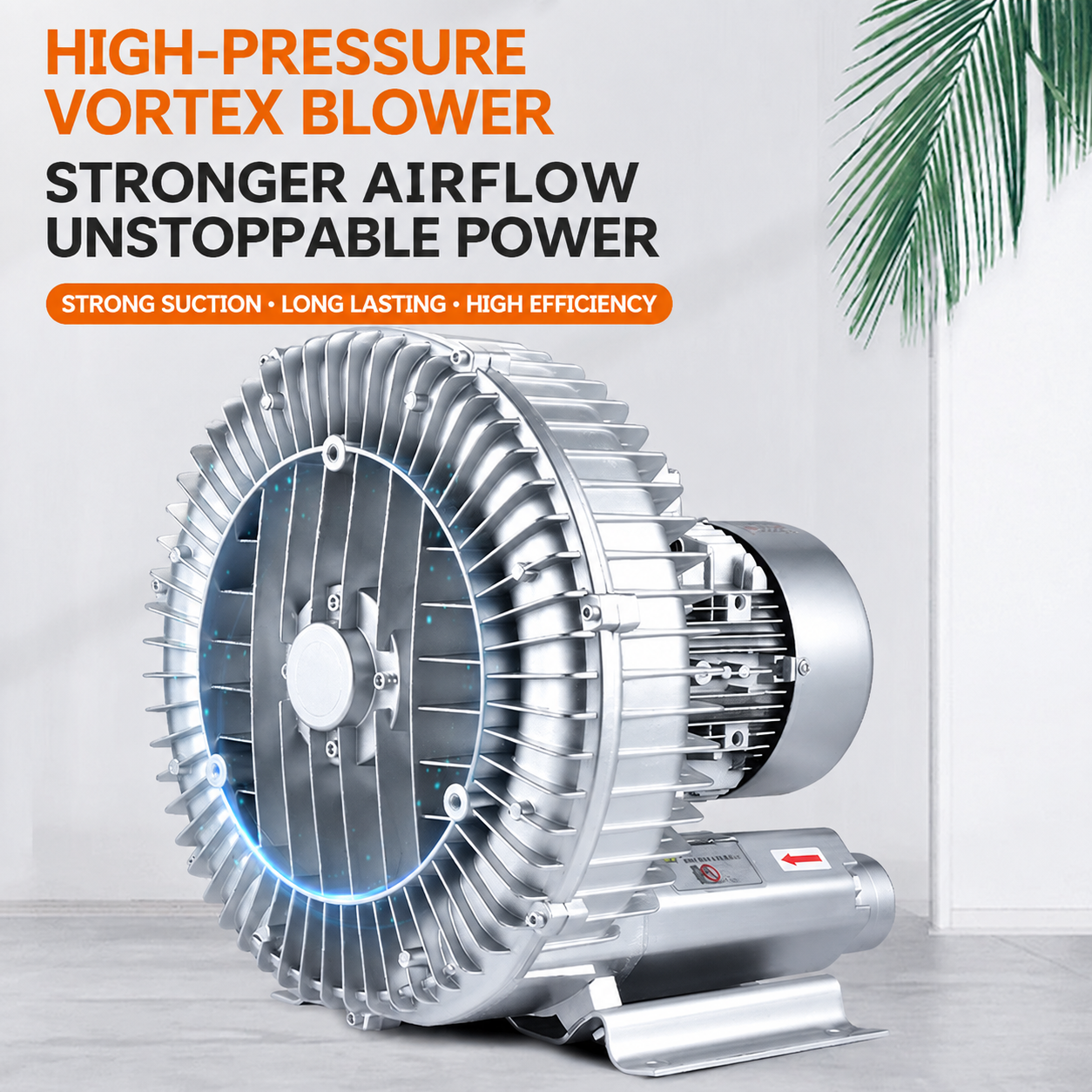
Taizhou Zicheng Electromechanical Co., Ltd. handles design, development, and production for axial fans, centrifugal fans, kitchen exhaust fans, and vortex blowers. Its site describes airflow and static-pressure sizing, model selection, material, and voltage discussion. Send the project facts for an 8 exhaust fan review. The discussion can then focus on a verified model and the actual duty. It can also confirm whether an 8 exhaust fan is suitable before a purchase decision.

 EN