Define the Job First
A 100 cfm exhaust fan should match a real job. Start with the air that must leave the space. It may be stale air, heat, moisture, or light odor. Note the room length, width, and height. Then note when the fan will run. A 100 cfm exhaust fan for a short daily run can have a different duty from a 100 cfm exhaust fan that runs through a work shift.
A 100 cfm exhaust fan is not chosen by floor area alone. The source of heat or moisture also matters. A small room with a strong source can need more air movement than a larger room with light use. State the use of the room in the inquiry. This gives the supplier a better basis for a model discussion.
Measure the Duct Route
A 100 cfm exhaust fan can lose airflow when the route adds resistance. Straight duct, elbows, dampers, grilles, filters, and hoods can each slow the air. A 100 cfm exhaust fan with a direct wall outlet may work at a different point than the same fan with a long ceiling duct.
- List the duct diameter and the straight duct length.
- Count each elbow, bend, damper, grille, filter, and hood.
- Mark the pickup point and the outdoor discharge point.
- Tell the supplier if flexible duct is used.
A 100 cfm exhaust fan needs enough pressure for the installed route. Ask for a curve or operating-point review if the route is long or has many parts. A 100 cfm exhaust fan rating alone does not show the airflow at the end of the duct.
Compare Fan Types
A 100 cfm exhaust fan may use an axial design when the path is direct and resistance is low. A centrifugal fan may be worth a review when the path has more resistance. This is not a rule for every job. The airflow target and pressure target must be reviewed together.
A 100 cfm exhaust fan for a fixed wall or ceiling point has different needs from a portable unit. Check the mounting space, service access, and power supply. Check if the fan must work near heat, water, dust, grease, or corrosive air. These conditions can affect the material and motor choice.
Use the Catalog as Context
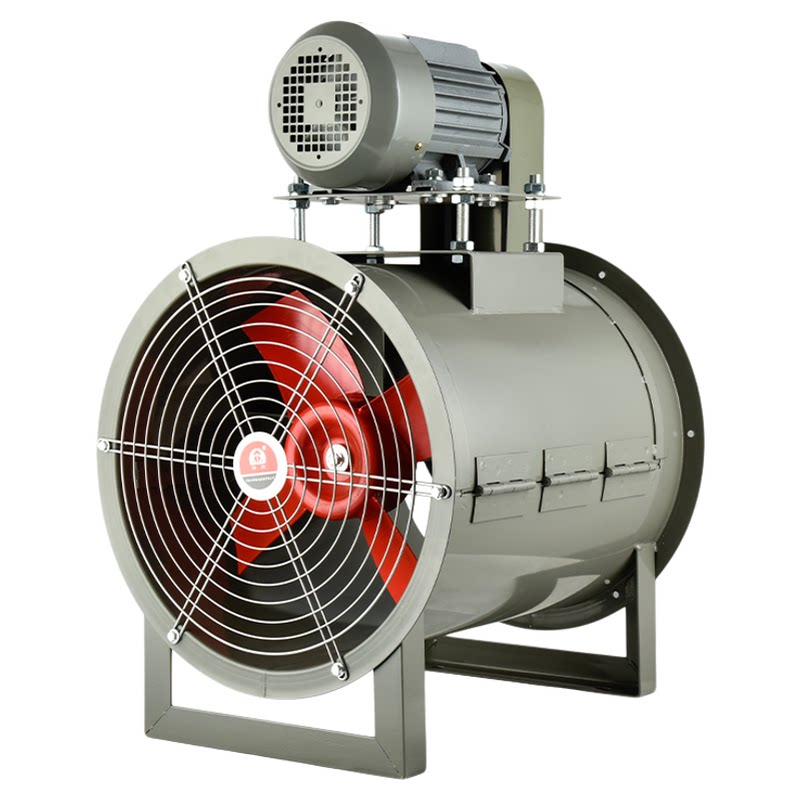
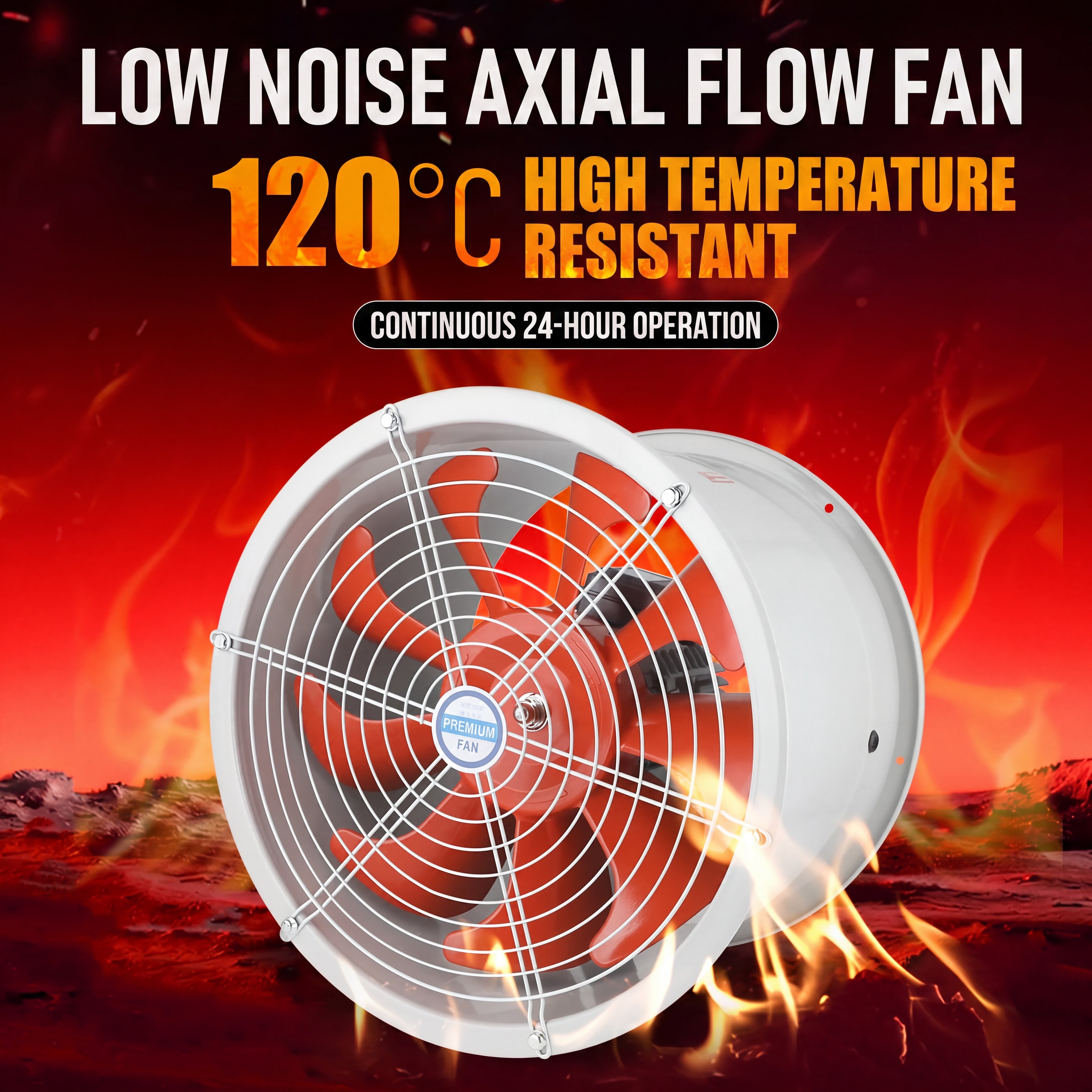
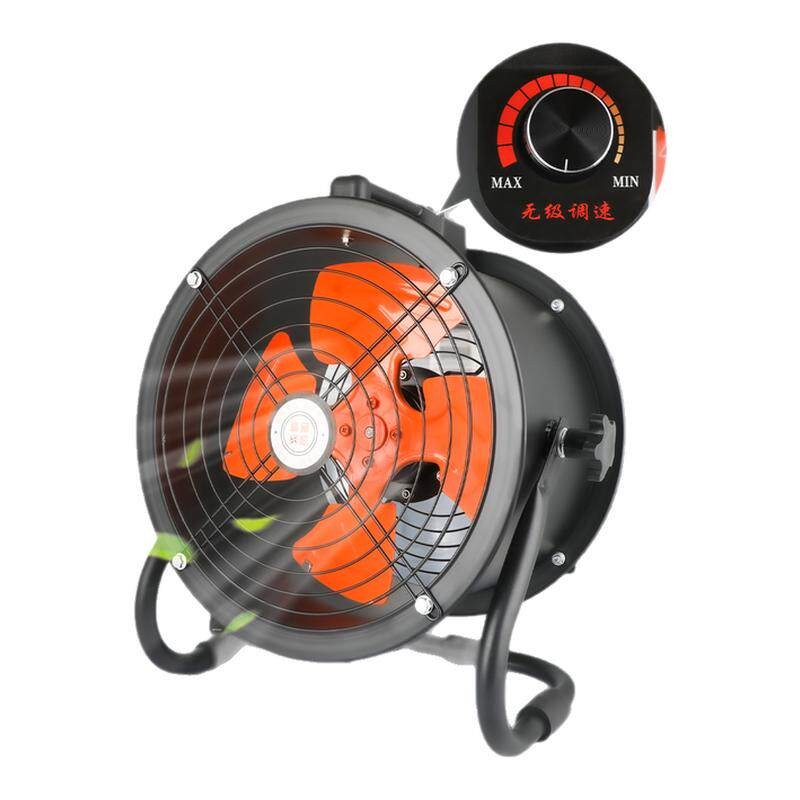
The product cards on this page are industrial axial alternatives. They are not exact 100 CFM models. The stainless steel axial fan is listed for drying rooms. The aluminum blade axial fan is listed for tobacco curing. The portable axial flow fan is listed for confined spaces. A 100 cfm exhaust fan request needs its own duty point before any of these product types is selected.
A 100 cfm exhaust fan can be a useful target for a small project. It is still important to confirm the route and air condition. Do not select a larger fan only because it has a higher rating. A larger unit can be wrong for the available space, noise goal, power supply, or duct route.
Send Clear Project Details
For a 100 cfm exhaust fan inquiry, send the room or enclosure size. Send the duct diameter, route length, bends, and discharge location. Send the voltage and frequency. State what the fan must remove. State whether it will run all day or only at set times.
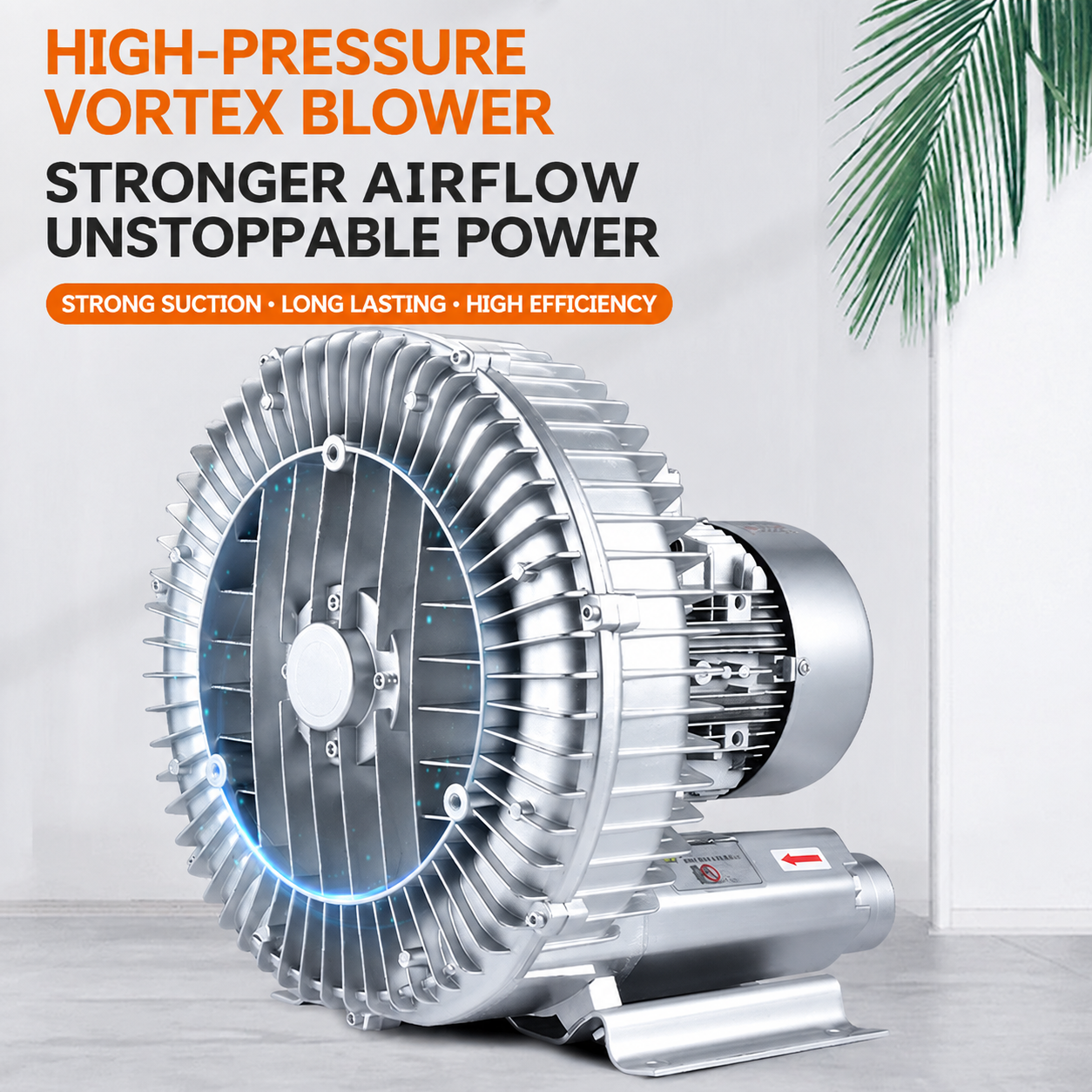
For a 100 cfm exhaust fan, also note limits on noise and mounting space. A clear request helps the supplier discuss airflow and pressure at the same time. Taizhou Zicheng Electromechanical Co., Ltd. can discuss axial, centrifugal, kitchen exhaust, and vortex blower product lines for a project-based selection.

 EN