Shop Vent Fan Options for Workshop Airflow

Get a Free Quote

Our representative will contact you soon.
Email
Mobile/WhatsApp
Name
Company Name
Message
0/1000
Shop Vent Fan Choices for Practical Air Movement

Shop Vent Fan Choices for Practical Air Movement

A shop vent fan should match the way air needs to move through a workspace. It should not be chosen only by the biggest airflow figure on a label. This page helps workshop owners, facility teams, and buyers compare shop vent fan options for general air change, local air movement, and ducted exhaust. The range includes a portable axial fan for temporary work and centrifugal fans for ducted paths with more resistance. Start with room size, the source of heat, dust, or fumes, and the route for intake and discharge air. Then check duct length, bends, filters, power, and site conditions. Taizhou Zicheng Electromechanical Co., Ltd. makes axial fans, centrifugal fans, kitchen exhaust fans, and vortex blowers. Share your layout and operating details to discuss a shop vent fan setup and request a quote.
Get A Quote

Manufacturer Context for Fan Projects

Verified context for buyers reviewing a shop vent fan supplier and its product range.

Direct Manufacturing Focus

Taizhou Zicheng Electromechanical Co., Ltd. presents itself as a manufacturer that handles design, development, and production for its fan products. Buyers can discuss shop vent fan needs with a direct product source.

Broad Fan Product Coverage

The documented range includes axial fans, centrifugal fans, kitchen exhaust fans, and vortex blowers. Buyers with more than one ventilation zone can review several fan types with the same manufacturer.

Related products

Match Pressure to the Duct Path

Match Pressure to the Duct Path

A shop vent fan for an open work area is not the same as one that must push air through long ducts, filters, or many bends. A portable axial shop vent fan may suit temporary local work. A centrifugal model can be reviewed when the path creates more resistance. Confirm the real layout before you choose a model.

Define the Shop Ventilation Job

A shop vent fan can bring fresh air into a work area, move warm air out, support general air change, or connect to a ducted exhaust route. A shop vent fan can also support a planned local air path when it is matched to the work task. Define the job before you choose a shop vent fan. Measure the room. Mark the places where heat, dust, fumes, or stale air begin. Mark the intake point and the discharge point. Note whether the fan will run for short tasks or as part of daily work.

A shop vent fan is often chosen by rated airflow alone. A shop vent fan should instead be reviewed with the full site layout. That is not enough for every site. A fan in open air has a different load from a fan connected to ducts, a hood, or filters. A simple site drawing can show where air enters, where it leaves, and where the shop vent fan should sit. It also helps show limits such as low ceilings, machinery, or a long path to the outside.

Choose a Fan Type for the Air Path

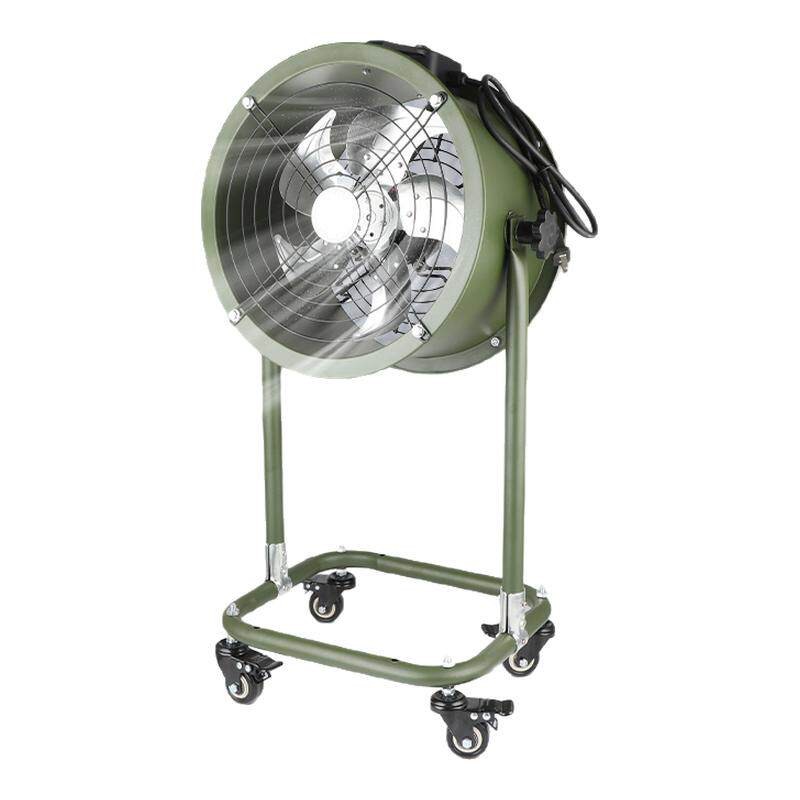
The selected Portable Axial Flow Fan is a movable shop vent fan option. Its product record lists airflow from 3,000 to 10,000 m³/h across its stated models. The record also says it can connect to telescopic air ducts. This can help when a shop vent fan needs to direct air to a temporary work point or an enclosed place. Check the duct layout and site conditions before using a portable unit as part of a fixed system.

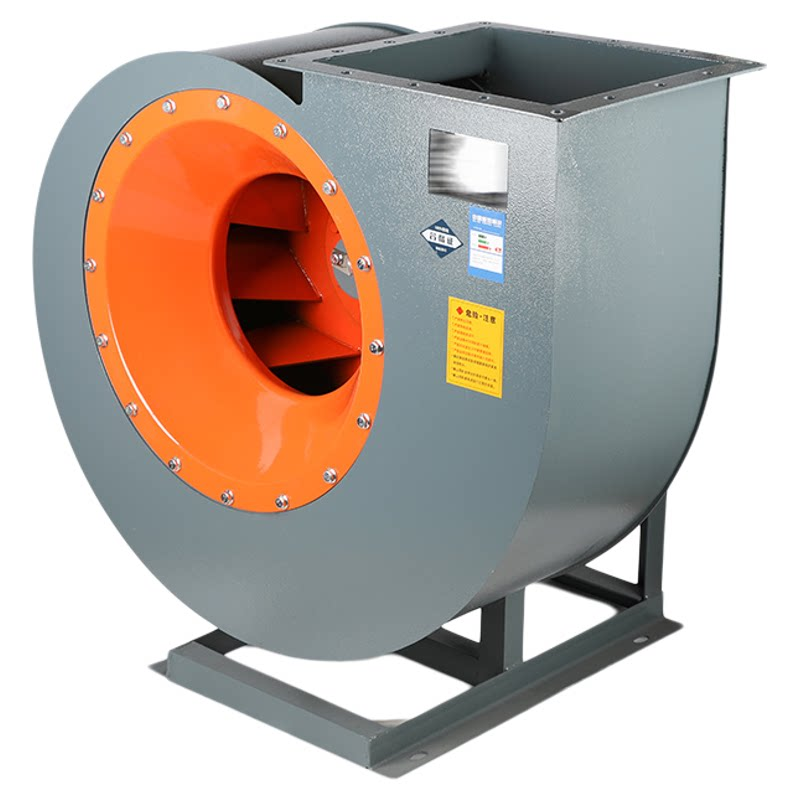
For a shop vent fan with a duct route, pressure matters as well as airflow. The selected 4-72A product lists up to 2,500 Pa static pressure. The selected 9-19 and 9-26 products list high-pressure uses with figures up to 9,200 Pa. These figures do not set the final shop vent fan choice by themselves. They show why a long route, turns, transitions, or filters need to be reviewed.

Map the Duct Route

For a ducted shop vent fan, map the route from the pickup point to the discharge point. A shop vent fan layout should include straight duct, elbows, branches, dampers, hoods, and filters. Each part can add resistance. A short and direct path may need a different shop vent fan from one that passes around machines or through more than one zone. If the pickup point is far from the fan, discuss pressure and airflow together.

  • Measure the space for the shop vent fan and allow room for service.
  • State if the fan will supply air, exhaust air, or support local pickup.
  • List each duct part between the work point and the discharge point.
  • Confirm the power supply at the planned fan location.

Check the Air Stream

Check shop vent fan product limits against the actual air stream. The selected centrifugal records list limits for temperature and particle content. Those limits need to be checked, not guessed. For example, the 4-72A record lists a maximum gas temperature of 80°C and a maximum dust and hard-particle content of 150 mg/m³. The selected high-pressure models also describe limits for the conveyed medium. If your shop vent fan will face other materials, higher heat, or conditions outside those limits, share that information before selection.

Material may matter too. The selected 4-72A model is a 304 stainless steel centrifugal fan for its stated use cases. The other selected centrifugal products have their own recorded use cases. There is no one shop vent fan that fits every site. The better fit depends on the air stream, location, service access, and resistance in the system.

Plan Placement and Checks

Put a shop vent fan where it can move air along the planned path. A shop vent fan needs a clear route from intake through the work area to discharge. Avoid a short path from intake to discharge that leaves the work area with little air movement. For local work, review the pickup point with the fan and duct route. Keep room for inspection, cleaning, and connection checks. If filters are used, include them in routine checks because loading can change the resistance seen by the shop vent fan.

Before asking for a quote, prepare shop size, photos or a drawing, the ventilation job, duct size and route, available power, and air-stream details. This turns a broad shop vent fan request into a focused discussion about fan type, pressure, airflow, and installation.

Shop Vent Fan Questions

Practical questions for comparing workshop ventilation options.

How do I begin sizing a shop vent fan?

Start with the job, not the model. Start the shop vent fan review with the air path and site limits. Measure the shop and note where heat, dust, fumes, or stale air start. Mark the intended air path and discharge point. For a ducted shop vent fan, add duct length, bends, branches, hoods, and filters. Send the available power and planned run time too. This helps a supplier discuss both airflow and system resistance instead of using a single rating. A site drawing or photos can make the shop vent fan discussion much clearer.
Consider a centrifugal shop vent fan when the air path has resistance from ductwork, turns, transitions, filters, or equipment. This shop vent fan choice should follow the full duct path. The selected range includes a 4-72A model with a listed maximum static pressure of 2,500 Pa and high-pressure models with listed figures up to 9,200 Pa. Compare those figures with the real system need. For a short open path, another shop vent fan arrangement may be a better fit. The duct route should guide the choice.
A portable axial shop vent fan can help when air movement is needed at a temporary or changing work point. Use this type of shop vent fan after checking the work area and air route. The selected Portable Axial Flow Fan is described as a movable unit that can connect to telescopic air ducts. Its listed models range from about 3,000 to 10,000 m³/h. Review the task, duct route, and operating conditions first. A portable shop vent fan is not automatically a replacement for a permanent system that needs continuous local capture.
Send room size, photos or a drawing, and the purpose of the shop vent fan. The more clearly the shop vent fan task is described, the easier it is to review product fit. Mark intake and discharge points. For ducts, add diameter, length, bends, branches, filters, and hoods. State the air-stream conditions, available voltage, and run time. These details support a useful discussion of shop vent fan type, pressure, airflow, mounting position, and the available product options. They also help identify questions that need to be confirmed before selection.

Related article

Centrifugal blower noise reduction modification meets indoor workplace standards.

25

Oct

Centrifugal blower noise reduction modification meets indoor workplace standards.

Understanding Centrifugal Blower Noise Sources and Workplace ImpactAerodynamic, mechanical, and structural origins of centrifugal blower noiseCentrifugal blower noise arises from three interdependent sources: aerodynamic, mechanical, and structural. ...
View More
What factors cause bellows cracking under repeated thermal expansion cycles?

26

Oct

What factors cause bellows cracking under repeated thermal expansion cycles?

Root-Originated Fatigue: Why Convolution Roots Dominate Bellows FailureCrack Initiation Mechanism Under Cyclic Thermal StrainWhen a metal bellows absorbs repeated thermal expansion, each convolution flexes—and the root radius becomes the highest-stra...
View More
6 inch extractor fan power and noise parameters need checking before ordering.

27

Oct

6 inch extractor fan power and noise parameters need checking before ordering.

Why Noise Performance Is Critical for 6 Inch Extractor Fan SelectionA quiet fan is not just a convenience—it determines whether users keep ventilation running. Because a 6 inch extractor fan often operates in bathrooms, kitchens, and laundry rooms, p...
View More
How to Choose the Right Aquaculture Aerator for Your Fish Farm (2026 Buying Guide)

14

Sep

How to Choose the Right Aquaculture Aerator for Your Fish Farm (2026 Buying Guide)

Paddle wheel, impeller or vortex? Learn how to size a pond aerator, cut energy costs and find a reliable aquaculture aerator manufacturer for your farm.
View More

Get a Free Quote

Our representative will contact you soon.
Email
Mobile/WhatsApp
Name
Company Name
Message
0/1000