Define the Shop Ventilation Job
A shop vent fan can bring fresh air into a work area, move warm air out, support general air change, or connect to a ducted exhaust route. A shop vent fan can also support a planned local air path when it is matched to the work task. Define the job before you choose a shop vent fan. Measure the room. Mark the places where heat, dust, fumes, or stale air begin. Mark the intake point and the discharge point. Note whether the fan will run for short tasks or as part of daily work.
A shop vent fan is often chosen by rated airflow alone. A shop vent fan should instead be reviewed with the full site layout. That is not enough for every site. A fan in open air has a different load from a fan connected to ducts, a hood, or filters. A simple site drawing can show where air enters, where it leaves, and where the shop vent fan should sit. It also helps show limits such as low ceilings, machinery, or a long path to the outside.
Choose a Fan Type for the Air Path
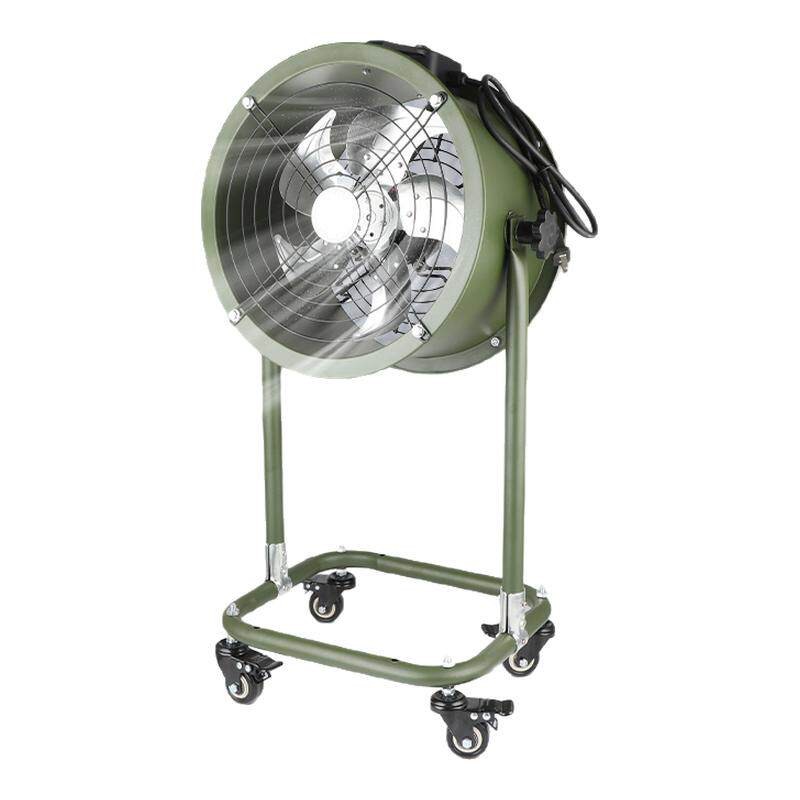
The selected Portable Axial Flow Fan is a movable shop vent fan option. Its product record lists airflow from 3,000 to 10,000 m³/h across its stated models. The record also says it can connect to telescopic air ducts. This can help when a shop vent fan needs to direct air to a temporary work point or an enclosed place. Check the duct layout and site conditions before using a portable unit as part of a fixed system.
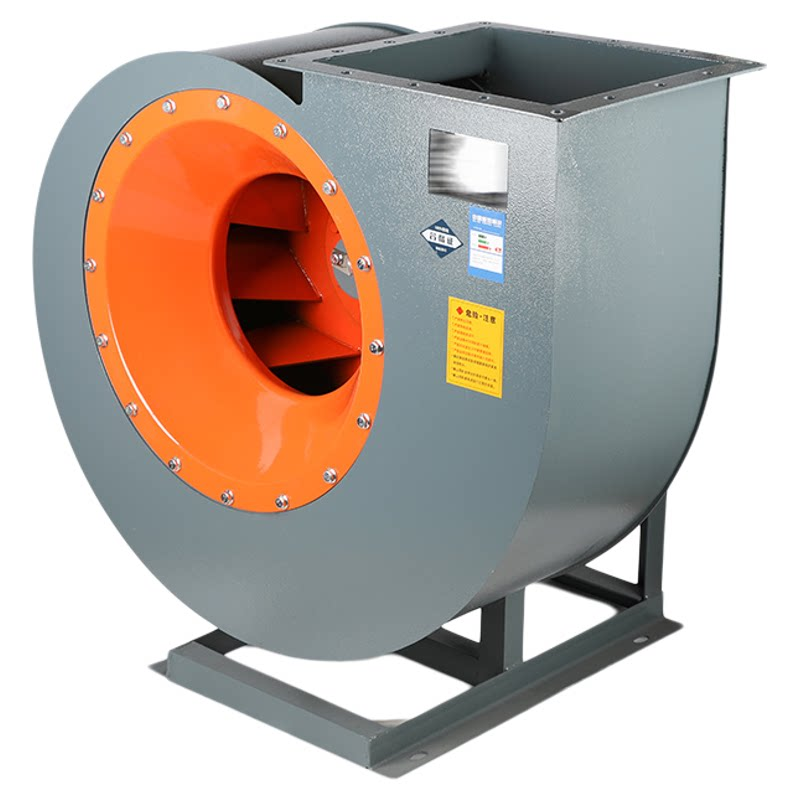
Pro unum vent fan pro officina cum ductu, pressio etiam importat, non solum fluxus aeris. Productum 4-72A electum indicat usque ad 2500 Pa pressionem staticam. Producta 9-19 et 9-26 electa indicant usus ad altam pressionem, cum figuris usque ad 9200 Pa. Hae figurae solae non determinant finalem electionem vent fan pro officina. Ostendunt cur via longa, flexus, transitiones aut filtri recensendi sint.
Map the Duct Route
Pro vent fan ducto pro officina, mappa viam a puncto captationis ad punctum effluentiae. Dispositio vent fan pro officina debet includere ductum rectum, gommas, ramos, clausuras, cappas et filtra. Quaelibet pars resistentiam addere potest. Via brevis et directa fortasse diversum vent fan pro officina postulat quam via quae per machinas transit aut per plus quam unam zonam. Si punctum captationis a vent fan longe est, pressio et fluxus aeris simul tractandi sunt.
- Mensura spatium pro vent fan pro officina et permittit spatium pro servitio.
- Indica si vent fan aera suppeditabit, aera exhauriet, an sublevabit captationem localem.
- Enumerare omnes partes ductus inter punctum operis et punctum effluentiae.
- Confirmare subministrationem electricam in loco ventilatoris proposito.
Examina Flumen Aeris
Verificare limites producti ventilatoris officinalis contra fluxum aeris realis. In catalogo centrifugarum electarum sunt limites pro temperatura et contentu particulae. Hi limites debent verificari, non conicere. Exempli gratia, recensio 4-72A habet maximam temperaturam gasis 80°C et maximum contentum pulveris et particulae durioris 150 mg/m³. Recensiones modello alti pressionis electae etiam describunt limites pro medio transmissum. Si ventilator officinalis tuus alia materialia, calorem superiorem, aut conditiones extra hos limites experiatur, hoc informationem ante electionem communicare debes.
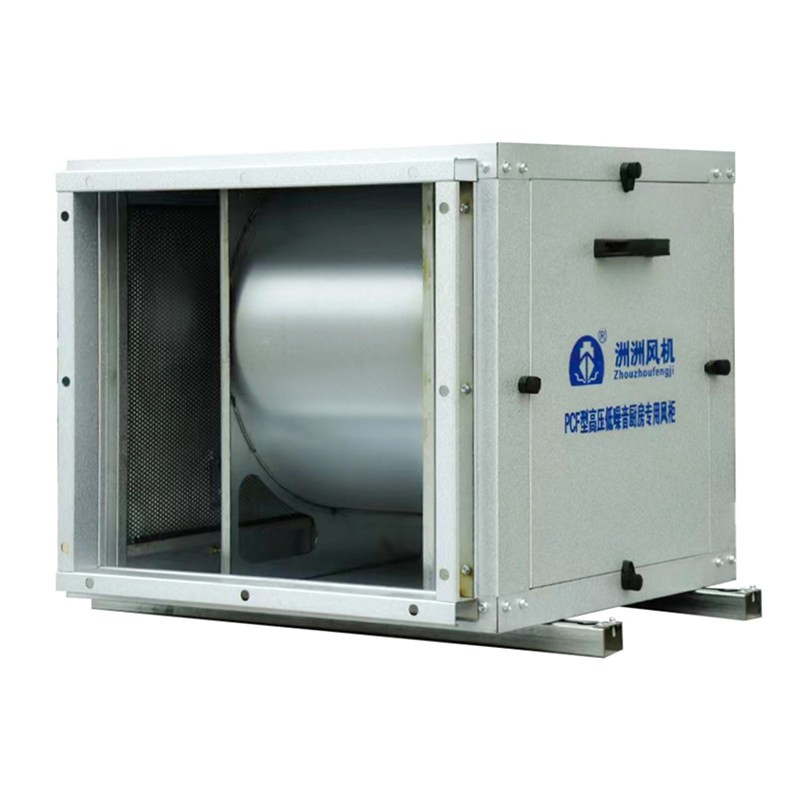
Material may matter too. The selected 4-72A model is a 304 stainless steel centrifugal fan for its stated use cases. The other selected centrifugal products have their own recorded use cases. There is no one shop vent fan that fits every site. The better fit depends on the air stream, location, service access, and resistance in the system.
Plan Placement and Checks
Put a shop vent fan where it can move air along the planned path. A shop vent fan needs a clear route from intake through the work area to discharge. Avoid a short path from intake to discharge that leaves the work area with little air movement. For local work, review the pickup point with the fan and duct route. Keep room for inspection, cleaning, and connection checks. If filters are used, include them in routine checks because loading can change the resistance seen by the shop vent fan.
Ante quam pro quotā rogās, parā magnitūdinem officīnae, imagīnēs aut schemata, opus ventilātiōnis, magnitūdinem et iter ductuum, potestātem adesse posse, et dētālia flūxūs aēris. Hoc transformāt petītiōnem latam ventīlātōris officīnae in cōnversātiōnem concentrātam dē genere ventīlātōris, pressiōne, flūxū aēris et īnstitūtiōne.

 EN