12 Inch Extractor Fan Selection Guide

Get a Free Quote

Our representative will contact you soon.
Email
Mobile/WhatsApp
Name
Company Name
Message
0/1000
12 Inch Extractor Fan Selection for Ventilation Projects

12 Inch Extractor Fan Selection for Ventilation Projects

A 12 inch extractor fan may fit a small exhaust point, a work room, or a replacement job. Yet size is not the whole job. A 12 inch extractor fan needs the right air flow and the right pressure for its duct path. Check the room, the air source, the duct, bends, grilles, filters, and the discharge point. Check how fresh air will enter too. Taizhou Zicheng Electromechanical Co., Ltd. makes axial fans, centrifugal fans, kitchen exhaust fans, and vortex blowers. This gives a project team more than one path to review. The listed centrifugal products may suit a duct run with more drag. Share the layout, power supply, air flow need, air heat, and air condition. Ask for a model review and quote based on the real job.
Get A Quote

Manufacturer Context for Fan Selection

Verified manufacturing and product-range context for project procurement.

Direct Manufacturing Source

Taizhou Zicheng Electromechanical Co., Ltd. is a manufacturer with direct factory production capability for the fan products it offers. This supports source-level quality control discussions.

Multiple Fan Categories

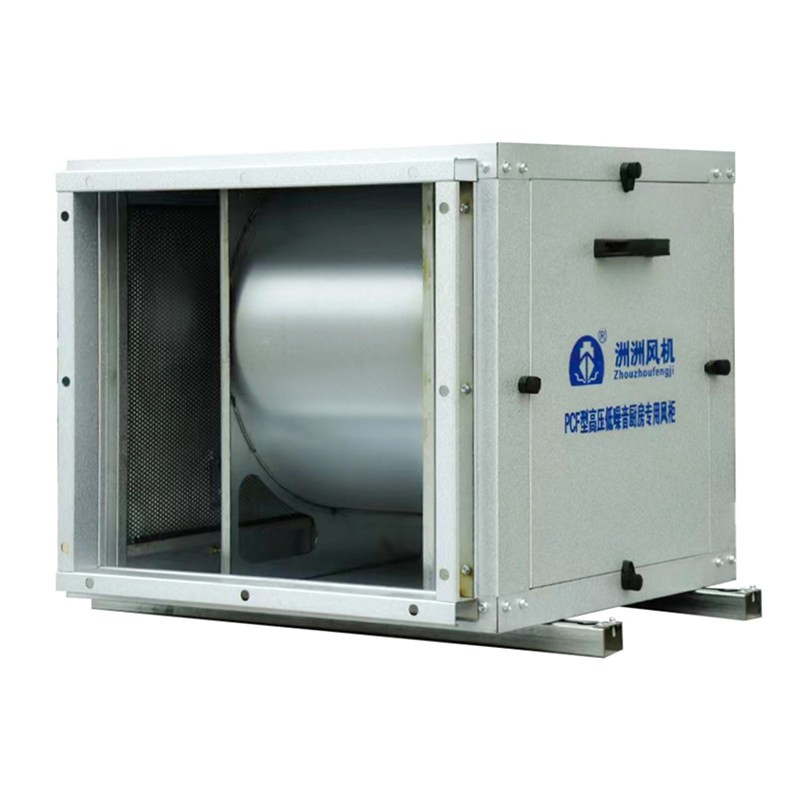
The available portfolio covers axial and centrifugal fan types, including CF-11 and 11-62 centrifugal products and PCF smoke exhaust fans. This helps projects that need more than one fan category.

Related products

Diameter Does Not Set Duty

Diameter Does Not Set Duty

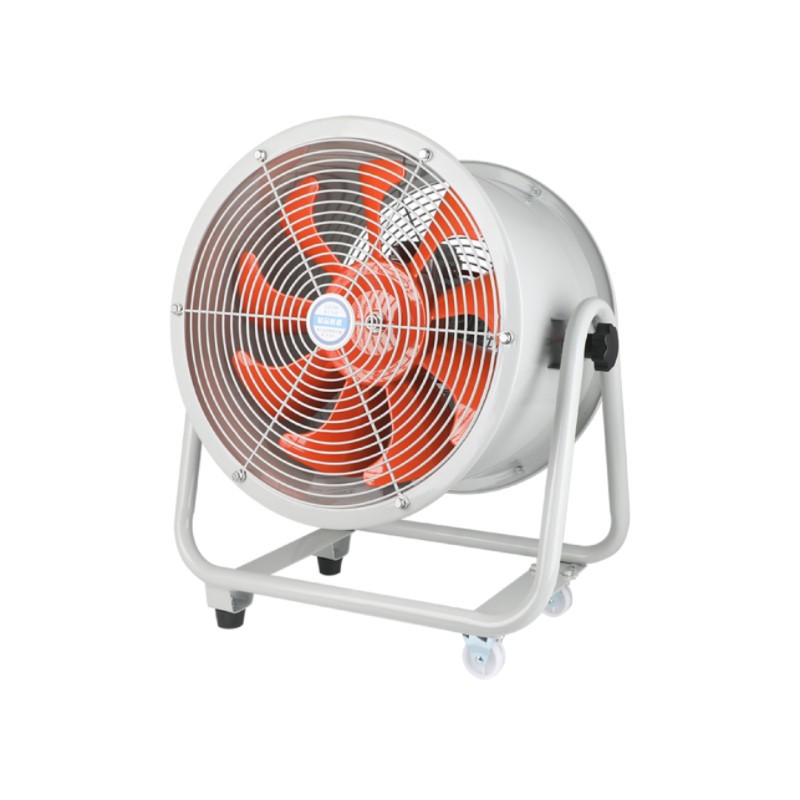
A 12 inch extractor fan can suit a wall hole or a short outlet path. It may not suit a long duct, bends, filters, or process gear. Find the air flow and pressure need first. Then choose between a compact axial layout and a centrifugal fan for a more resistant path.

Define the 12 Inch Extractor Fan Duty

A 12 inch extractor fan starts with a physical opening, not a full duty. For each 12 inch extractor fan, list room size, the air source, run time, and make-up air. A 12 inch extractor fan needs enough flow for the task. A 12 inch extractor fan also needs enough pressure for the path. Use a 12 inch extractor fan only after those two needs are clear.

Trace the 12 Inch Extractor Fan Air Path

Draw the intake, duct, bends, grille, filter, damper, and outlet. A 12 inch extractor fan in a short straight run faces less drag. A 12 inch extractor fan in a long run faces more drag. Do not judge a 12 inch extractor fan by free-air flow alone. Check the delivered flow at the end of the path. A 12 inch extractor fan needs a fan-curve review when the route is complex.

Match a 12 Inch Extractor Fan to Pressure

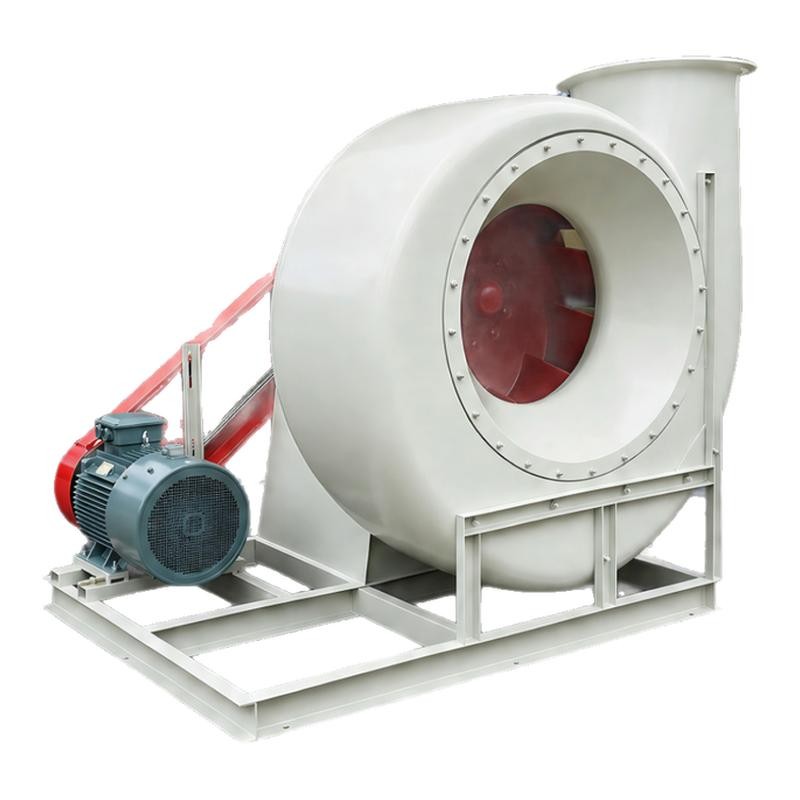
A 12 inch extractor fan can be an axial layout for a low-drag route. A 12 inch extractor fan can need a centrifugal layout when ducts or filters add drag. A 12 inch extractor fan is not a promise of one fixed duty. The listed 4-72A products have a catalogue maximum static pressure of 2,500 Pa. The listed 9-19 and 9-26 products are high-pressure centrifugal options. A 12 inch extractor fan should match the needed flow and pressure on the right fan curve.

Check 12 Inch Extractor Fan Air Conditions

State what the fan will move. State the air heat and any dust, wet air, salt, or harsh gas. A 12 inch extractor fan for clean room air is not the same as one for a process. The 304 Stainless 4-72A record lists 304 stainless steel, a maximum gas heat of 80°C, and particle content up to 150 mg/m³ in its stated range. The carbon steel 4-72A record is for non-self-igniting and non-corrosive gases and lists the same temperature and particle limits. A 12 inch extractor fan must stay within the selected product conditions.

Install and Service a 12 Inch Extractor Fan

Check the mount, duct joint, outlet way, power supply, and service space. A 12 inch extractor fan needs guards where people can reach moving parts. A 12 inch extractor fan should not carry duct weight at its joint. Keep duct changes smooth and avoid extra sharp turns. A 12 inch extractor fan can lose flow when dirt builds up in grilles, filters, and ducts. Send the opening size, duct route, bend count, air heat, air type, voltage, and intended duty for a technical review. A 12 inch extractor fan may suit a simple task, while a ducted task may need a centrifugal option.

12 Inch Extractor Fan FAQ

Practical questions for selecting an extraction fan by installation conditions.

How do I size a 12 inch extractor fan?

Start with the air flow needed in the room or at the work point. Then check the drag in the real air path. Note the duct size and length. Note each bend, grille, filter, damper, and outlet. A 12 inch extractor fan is a size label. It does not tell you the delivered air flow. Give the air heat, voltage, and air type as well. A supplier can then check the fan type and duty point against product data.
Assess a centrifugal fan when the path has a long duct, many bends, a filter, a damper, or linked process gear. These parts can add drag. A 12 inch extractor fan in a short open path can need a different layout from a fan in a high-drag path. The listed 4-72A, 9-19, and 9-26 products are centrifugal options. Match their product data and fan curve to the actual flow and pressure need.
Send the air flow need, opening size, duct size, duct length, bend count, and any filter or damper data. Send the air heat, dust or gas details, voltage, frequency, mount way, and run time. A 12 inch extractor fan review is more useful with a simple sketch or site photo. This helps show the air path, clear space, and access limits. It also helps avoid a choice based on size alone.
Check more than the size before a direct swap. Check the mount holes, body depth, duct joint, power supply, spin way, outlet way, guards, and access space. A 12 inch extractor fan may fit the old hole but have a different duty. If the old system has poor flow, check for blocked ducts, dirty grilles, bad dampers, or poor make-up air. Fix those issues before you blame the fan.

Related article

Centrifugal blower noise reduction modification meets indoor workplace standards.

25

Oct

Centrifugal blower noise reduction modification meets indoor workplace standards.

Understanding Centrifugal Blower Noise Sources and Workplace ImpactAerodynamic, mechanical, and structural origins of centrifugal blower noiseCentrifugal blower noise arises from three interdependent sources: aerodynamic, mechanical, and structural. ...
View More
What factors cause bellows cracking under repeated thermal expansion cycles?

26

Oct

What factors cause bellows cracking under repeated thermal expansion cycles?

Root-Originated Fatigue: Why Convolution Roots Dominate Bellows FailureCrack Initiation Mechanism Under Cyclic Thermal StrainWhen a metal bellows absorbs repeated thermal expansion, each convolution flexes—and the root radius becomes the highest-stra...
View More
6 inch extractor fan power and noise parameters need checking before ordering.

27

Oct

6 inch extractor fan power and noise parameters need checking before ordering.

Why Noise Performance Is Critical for 6 Inch Extractor Fan SelectionA quiet fan is not just a convenience—it determines whether users keep ventilation running. Because a 6 inch extractor fan often operates in bathrooms, kitchens, and laundry rooms, p...
View More
How to Choose the Right Aquaculture Aerator for Your Fish Farm (2026 Buying Guide)

14

Sep

How to Choose the Right Aquaculture Aerator for Your Fish Farm (2026 Buying Guide)

Paddle wheel, impeller or vortex? Learn how to size a pond aerator, cut energy costs and find a reliable aquaculture aerator manufacturer for your farm.
View More

Get a Free Quote

Our representative will contact you soon.
Email
Mobile/WhatsApp
Name
Company Name
Message
0/1000