Catering Extractor Fan Options for Ducted Kitchens

Get a Free Quote

Our representative will contact you soon.
Email
Mobile/WhatsApp
Name
Company Name
Message
0/1000
Catering Extractor Fan Options for Ducted Kitchens

Catering Extractor Fan Options for Ducted Kitchens

A catering extractor fan can move heat, steam, and cooking fumes from a restaurant, hotel, canteen, or food-service kitchen. The right catering extractor fan depends on the real job. Airflow matters. Static pressure matters too. A long duct, sharp bend, filter, damper, or hood joint can add resistance. Start with the duty point, not a product name. Note the airflow target, duct route, pressure estimate, mounting space, power supply, and site conditions. Taizhou Zicheng Electromechanical Co., Ltd. makes axial fans, centrifugal fans, kitchen exhaust fans, and vortex blowers. This gives buyers a way to compare fan formats for a catering extractor fan project. Send a duct sketch and duty point to discuss a suitable configuration and request a quote.
Get A Quote

Manufacturer Context

Verified context for supplier review.

Direct Factory Production

Taizhou Zicheng Electromechanical Co., Ltd. is listed in the prepared profile as a manufacturer, not a trading company. Buyers can discuss a catering extractor fan configuration with the factory source and review project details before selection.

Multi-Type Fan Portfolio

The prepared range includes axial fans, centrifugal fans, kitchen exhaust fans, and vortex blowers. This range can help a buyer compare more than one fan format when a catering extractor fan project has different zones or layouts.

Related products

Match Pressure to the Duct

Match Pressure to the Duct

Choose a catering extractor fan by the system duty point. Do not use airflow alone. Long duct runs, bends, filters, dampers, and hood joints add resistance. A centrifugal catering extractor fan may suit a ducted layout. An axial unit may suit a short, low-resistance air path. Confirm planned pressure before final selection.

Define the Job First

A catering extractor fan needs a clear job. Start at the hood. List the cooking line. List the hood size. Note how often the kitchen runs. Then map the duct. Add each straight run. Add each bend. Add each filter and damper. These items affect pressure.

Write down the airflow target. Write down the pressure estimate. Add the site voltage and frequency. Add the free space around the unit. This gives a supplier useful facts. It also makes a catering extractor fan comparison more direct. A catering extractor fan product name alone does not show the right fit.

Read the Duct Route

Air must move through the full route. It does not stop at the fan outlet. A short, straight path has less resistance. A long path has more. Tight bends can add more resistance. Filters and hood parts can add more too. The duty point should reflect the whole system.

For a ducted catering extractor fan, ask how airflow and pressure work together. A maximum airflow figure is not the same as site airflow. A maximum pressure figure is not the same as site pressure. Use product data as a start. Then check the proposed operating point. This step helps compare each catering extractor fan option on the same basis.

Compare Fan Formats

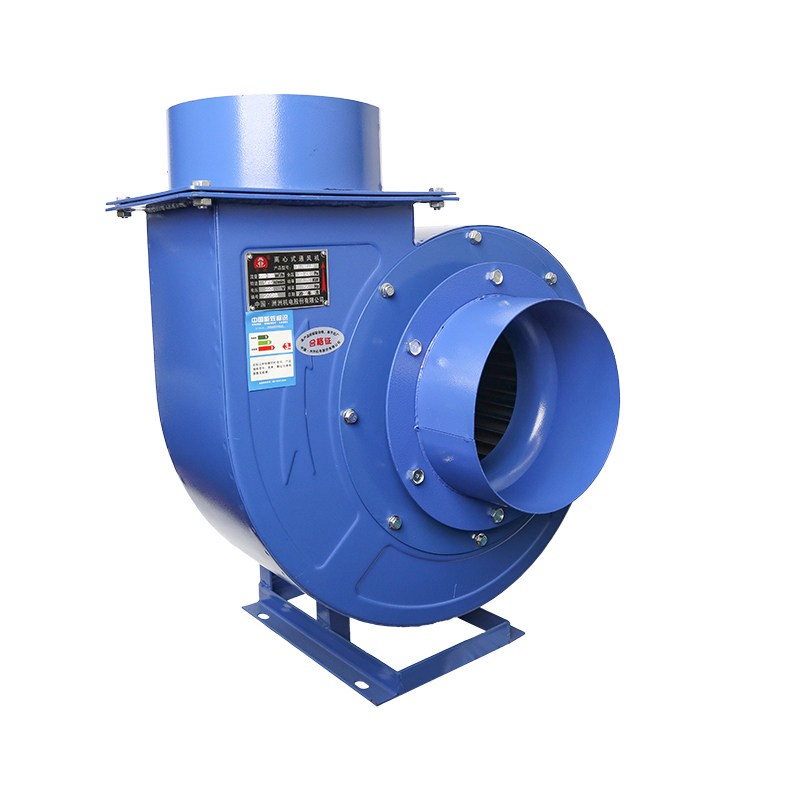
Centrifugal fans are often checked for ducted kitchen exhaust. The selected 11-62 and CF-11 products are catalogued for kitchen use. Their records describe multi-wing centrifugal designs. The CF-11 record lists a maximum airflow of 20,000 m³/h. It also lists a maximum static pressure of 1,000 Pa. These figures need a check against the project duty point. A centrifugal catering extractor fan is a product type to assess, not an automatic answer.

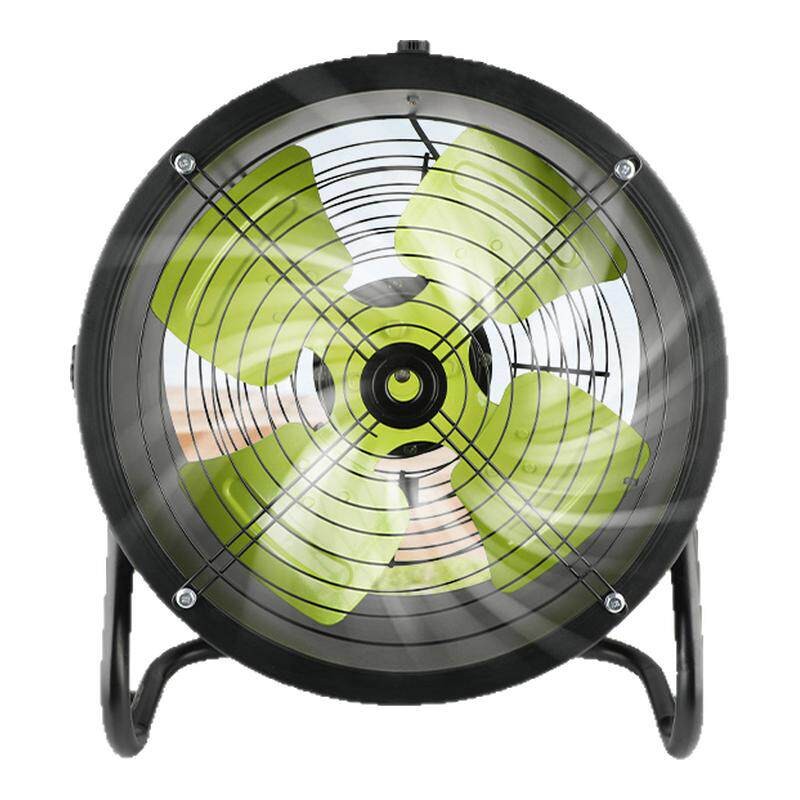
A catering extractor fan can also be an axial unit in the right setting. An axial fan can move large air volume through a short, open path with low resistance. The selected aluminum-blade axial fan is a current catalog product. Its listed main use is tobacco curing. It should only be considered where site conditions match its use and fan type. It is not a default substitute for a ducted catering extractor fan. A catering extractor fan decision needs the duct details first.

Check Space and Access

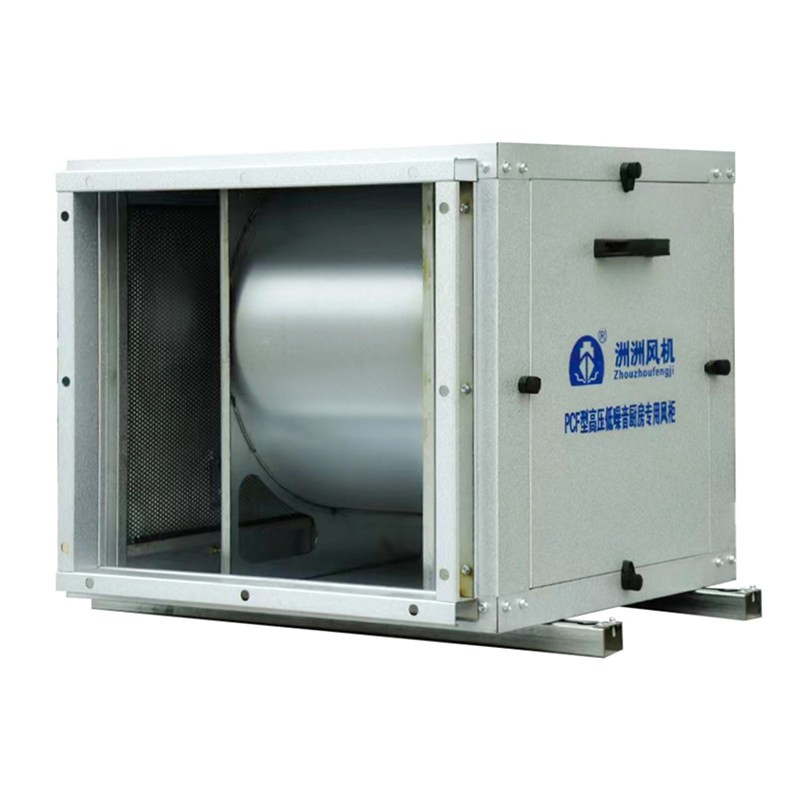
Plan the mounting point early. Ceiling voids can be tight. Plant rooms can be tight too. A cabinet-style unit can be relevant where an enclosed form is useful. The selected cabinet smoke exhaust record lists an IP65 motor. It also lists high-temperature coils and bearings for kitchen-use conditions. The designer should still check the exact role and local rules. A catering extractor fan must fit both the air system and the available service space.

  • Leave room for safe isolation and routine checks.
  • Leave access for cleaning work and component service.
  • Check duct joints, supports, and vibration control.
  • Check the discharge point before the order is placed.

Noise also needs a site view. Think about dining areas. Think about staff rooms. Think about nearby units. A catering extractor fan label cannot replace a review of the installed location. Mounting, duct design, and the room around a catering extractor fan can affect the final result.

Ask for the Right Review

Send a simple drawing with the quote request. Show the hood. Show duct size. Show bends. Show filters, dampers, and outlet. State the airflow target and pressure estimate. State the power supply. State the planned mounting position. These details help frame a catering extractor fan discussion around facts. They also help a supplier separate one catering extractor fan layout from another.

For a formal specification, use the standard category that applies to the site. Check the document details on their own. This is useful for performance classes, material needs, and safe operation. Do not treat a general page as final engineering sign-off. A catering extractor fan selection still needs project review.

Plan for Cleaning and Change

Kitchen exhaust systems change with use. Grease can build up. Filters need care. The kitchen may add equipment. The duct route may change. Keep a record of the starting duty point and duct layout. Review them when the system changes. This record supports a later catering extractor fan review.

A catering extractor fan should also be easy to inspect. Plan safe access at the start. Keep the fan, hood, and duct service plan together. This helps the team spot changes that may affect the original selection. Share current site data when asking for a new quote or review. Each catering extractor fan request should include the same core project facts.

Catering Extractor Fan FAQ

Common questions for commercial kitchen exhaust planning.

What data is needed to size a catering extractor fan?

Give the hood layout, cooking load, airflow target, duct size, duct route, bends, filters, dampers, outlet point, power supply, and mounting space. Static pressure is important for a ducted catering extractor fan. If you do not have a pressure figure, share a clear duct sketch and list of system parts. This makes the catering extractor fan selection discussion more useful and avoids treating an open-air rating as site performance.
A centrifugal fan is often considered for a ducted kitchen system because ducts and parts add resistance. The selected centrifugal products are catalogued for kitchen use. Still, the right catering extractor fan depends on airflow and pressure at the site. Compare the planned duty point with product data. Do not select a catering extractor fan from a maximum airflow figure alone. Ask for details that apply to the proposed configuration.
An axial fan may suit high-volume air movement through a short, open, low-resistance path. It is not an automatic replacement for a ducted catering extractor fan. A long duct, filter, or series of bends can change the suitable fan type. Review the whole air path first. Also review the product application. The selected axial fan has a tobacco-curing application, so catering extractor fan site fit needs careful confirmation.
Plan safe isolation before service. Keep access open for inspection and cleaning. Match the maintenance plan to the hood and duct plan. Check the system when cooking equipment changes or when the duct route changes. Those changes can affect the duty point for a catering extractor fan. Keep the starting airflow target, pressure estimate, and layout record. These records can help later catering extractor fan checks and a revised selection discussion.

Related article

Centrifugal blower noise reduction modification meets indoor workplace standards.

25

Oct

Centrifugal blower noise reduction modification meets indoor workplace standards.

Understanding Centrifugal Blower Noise Sources and Workplace ImpactAerodynamic, mechanical, and structural origins of centrifugal blower noiseCentrifugal blower noise arises from three interdependent sources: aerodynamic, mechanical, and structural. ...
View More
What factors cause bellows cracking under repeated thermal expansion cycles?

26

Oct

What factors cause bellows cracking under repeated thermal expansion cycles?

Root-Originated Fatigue: Why Convolution Roots Dominate Bellows FailureCrack Initiation Mechanism Under Cyclic Thermal StrainWhen a metal bellows absorbs repeated thermal expansion, each convolution flexes—and the root radius becomes the highest-stra...
View More
6 inch extractor fan power and noise parameters need checking before ordering.

27

Oct

6 inch extractor fan power and noise parameters need checking before ordering.

Why Noise Performance Is Critical for 6 Inch Extractor Fan SelectionA quiet fan is not just a convenience—it determines whether users keep ventilation running. Because a 6 inch extractor fan often operates in bathrooms, kitchens, and laundry rooms, p...
View More
How to Choose the Right Aquaculture Aerator for Your Fish Farm (2026 Buying Guide)

14

Sep

How to Choose the Right Aquaculture Aerator for Your Fish Farm (2026 Buying Guide)

Paddle wheel, impeller or vortex? Learn how to size a pond aerator, cut energy costs and find a reliable aquaculture aerator manufacturer for your farm.
View More

Get a Free Quote

Our representative will contact you soon.
Email
Mobile/WhatsApp
Name
Company Name
Message
0/1000