Vent Hood Fan Options for Kitchen Exhaust

Get a Free Quote

Our representative will contact you soon.
Email
Mobile/WhatsApp
Name
Company Name
Message
0/1000
Vent Hood Fan Options for Ducted Kitchen Exhaust Systems

Vent Hood Fan Options for Ducted Kitchen Exhaust Systems

A vent hood fan moves cooking heat, vapour, odours, and grease-laden air away from a kitchen hood. This page lists vent hood fan options from Taizhou Zicheng Electromechanical Co., Ltd. for project buyers. It includes centrifugal, cabinet smoke-exhaust, and axial fan types. A vent hood fan should be selected for the actual air path, not by name alone. The hood, duct length, bends, filters, dampers, discharge point, and fan location all matter. Centrifugal choices may suit a duct route with notable resistance. An axial vent hood fan may suit high-volume air movement in a lower-resistance layout. Review the planned airflow, static pressure, space, power supply, and site conditions before choosing a model. Zicheng manufactures axial and centrifugal fan lines and can discuss current product options. Send the system details to request product information and a quotation for your vent hood fan project.
Get A Quote

Manufacturer Context for Fan Projects

Verified supply context for vent hood fan buyers.

Direct Manufacturing Source

Taizhou Zicheng Electromechanical Co., Ltd. is documented as a manufacturer, not a trading company. It has direct factory production capability for the fan products it offers. Buyers can discuss a vent hood fan project with the product source.

Multiple Fan Categories

The documented portfolio includes axial fans, CF-11 and 11-62 centrifugal fans, and PCF-series smoke exhaust fans. This range gives buyers several fan types to assess for a vent hood fan system.

Related products

Match Pressure to the Duct Route

Match Pressure to the Duct Route

A vent hood fan must match the full duct route. Long ducts, bends, filters, dampers, and the discharge point add resistance. A centrifugal vent hood fan can be considered where pressure is a key input. An axial fan may be relevant in a lower-resistance layout. Confirm the duty point before choosing any vent hood fan model.

Map the Air Path First

A vent hood fan is part of a complete exhaust system. Start at the hood. Note the hood size, the cooking line, and the capture area. Then trace the air path to the discharge point. Include ducts, transitions, bends, filters, dampers, and roof or wall outlets. These parts create resistance. A vent hood fan must work against that resistance.

For a replacement, record the current fan model, duct size, fan location, and the problem that led to the change. For a new job, share the layout before a vent hood fan is selected. The hood supplier, mechanical designer, electrical team, and installer may each have useful input. Early coordination can prevent a mismatch between the fan, duct, and space.

Use Airflow and Pressure Together

Airflow is important, but it is not the only input. A vent hood fan also needs enough pressure for the system. Longer ducts and extra fittings often raise that need. Filters and dampers can add more resistance. Ask the project team for the required airflow and calculated static pressure. Use both values when comparing a vent hood fan.

The selected 11-62 and CF-11 products are centrifugal fan options with kitchen-related product positioning. A centrifugal vent hood fan can be a sensible option for a ducted layout when pressure is a key part of the design. The final selection should use available fan data and the calculated duty point. Do not assume that a larger motor solves every system problem.

Compare Axial and Centrifugal Types

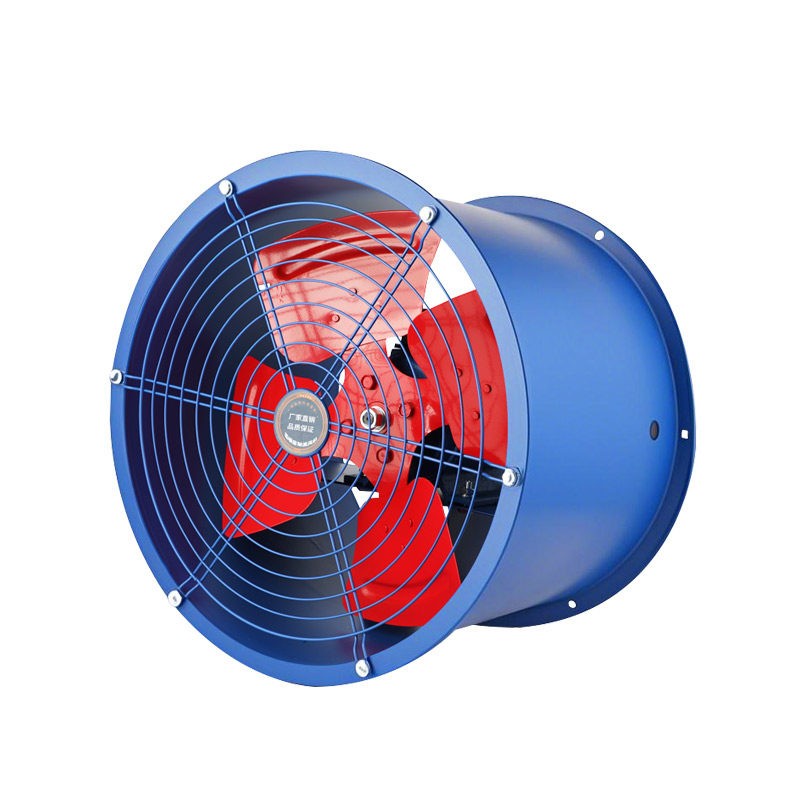
The listed Aluminum Blade Axial Fan is a high-volume air-movement option. It is not an automatic replacement for a ducted centrifugal vent hood fan. An axial layout may be relevant when the route is short and resistance is low. A complex route may call for a different pressure response. There is no single best vent hood fan for every site. The better fit depends on the actual air path.

  • Use the same units when you compare airflow and pressure data.
  • Check each bend, filter, damper, and outlet in the duct calculation.
  • Confirm whether the fan is in a ceiling void, plant room, wall, or roof location.
  • Check safe access for cleaning, inspection, and electrical isolation.

Check the Site Conditions

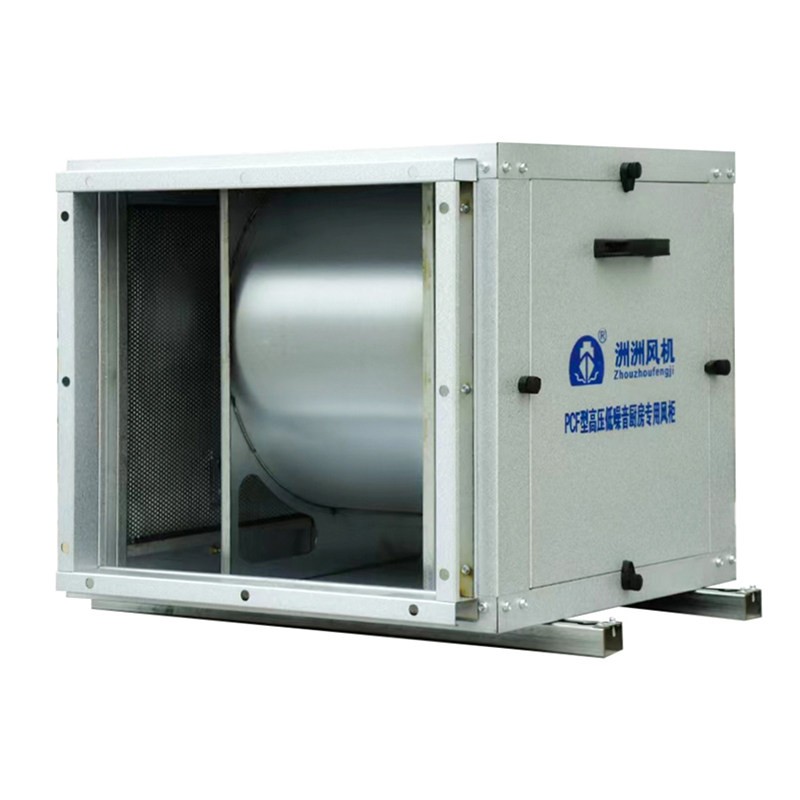
Kitchen air can carry heat, moisture, and grease vapour. Record the conditions at the fan location and in the extracted air. The Cabinet Smoke Exhaust Fan is listed with IP65 and 1,000 Pa in its product title. Its product record also describes high-temperature coils and bearings. These are product details to review against the project brief. They do not replace a site-specific engineering check.

A vent hood fan also needs a workable mounting position. Measure the available space. Check the duct connection direction. Confirm the power supply, voltage, frequency, and service clearance. If there is a noise limit, add it to the brief. If fire, smoke-control, hygiene, or local code rules apply, ask the responsible engineer to review them.

Send a Clear Enquiry Brief

A clear brief helps a supplier assess a vent hood fan option without guessing. State the planned airflow and static pressure. Add the hood count, duct size, route length, bends, filters, dampers, and discharge plan. Include the fan location, power supply, and site conditions. Drawings and photos can show space limits and connection direction.

A vent hood fan should not be selected by a headline number alone. An oversized fan may create issues if it does not fit the system curve, power supply, or noise goal. A low-pressure option may not suit a route with high resistance. Compare each vent hood fan against the real project inputs. Then request a product discussion based on those details.

Plan for System Care

Good system care begins at the layout stage. Plan access for fan checks, duct cleaning, and safe isolation. Keep service work in mind when you place the vent hood fan. Check mounts and related duct parts as part of routine maintenance. If the cooking line, hood, or duct route changes, review the system duty point again. The original vent hood fan selection may no longer suit the changed system. A vent hood fan needs access for inspection. A vent hood fan needs a clean air path. A vent hood fan should be checked after major duct changes. A vent hood fan should be isolated before service. A vent hood fan must match the revised duty point. Keep the vent hood fan records with the system file.

Vent Hood Fan Questions

Practical questions for kitchen exhaust planning.

How do I size a vent hood fan for a kitchen?

Size a vent hood fan from the hood and the full duct system. The brief should include airflow, static pressure, hood dimensions, duct size, route length, bends, filters, dampers, discharge details, and site conditions. A fan label or one airflow value is not enough. Compare the required duty point with available fan data. The final vent hood fan choice should also be reviewed against the project engineer’s requirements and any local ventilation, fire, hygiene, or electrical rules.
A centrifugal vent hood fan is often considered when the exhaust path is ducted and static pressure is important. Long ducts, fittings, filters, and dampers can add resistance. The selected CF-11 and 11-62 products are centrifugal options with kitchen-related positioning. Compare their available product data with the calculated airflow and pressure requirement. Do not choose a centrifugal vent hood fan only from a broad use label. Use the real duct route and duty point.
It depends on the installation. An axial vent hood fan may suit high-volume air movement when the air path has low resistance. It is not always interchangeable with a ducted centrifugal selection. Check the duct length, fittings, needed pressure, mounting arrangement, and discharge plan. The listed Aluminum Blade Axial Fan is a current product, but its tobacco-curing application should be assessed carefully for a kitchen job. A specific duty point gives a sound basis for vent hood fan comparison.
Send the planned airflow and static pressure if available. Include hood count, duct size, route length, bends, filters, dampers, discharge point, fan location, available space, power supply, and operating conditions. Site photos and drawings can help. State any noise target or project rule. These details let the supplier discuss a vent hood fan option with fewer assumptions. They also help the project team compare a vent hood fan with the actual system need.

Related article

Centrifugal blower noise reduction modification meets indoor workplace standards.

25

Oct

Centrifugal blower noise reduction modification meets indoor workplace standards.

Understanding Centrifugal Blower Noise Sources and Workplace ImpactAerodynamic, mechanical, and structural origins of centrifugal blower noiseCentrifugal blower noise arises from three interdependent sources: aerodynamic, mechanical, and structural. ...
View More
What factors cause bellows cracking under repeated thermal expansion cycles?

26

Oct

What factors cause bellows cracking under repeated thermal expansion cycles?

Root-Originated Fatigue: Why Convolution Roots Dominate Bellows FailureCrack Initiation Mechanism Under Cyclic Thermal StrainWhen a metal bellows absorbs repeated thermal expansion, each convolution flexes—and the root radius becomes the highest-stra...
View More
6 inch extractor fan power and noise parameters need checking before ordering.

27

Oct

6 inch extractor fan power and noise parameters need checking before ordering.

Why Noise Performance Is Critical for 6 Inch Extractor Fan SelectionA quiet fan is not just a convenience—it determines whether users keep ventilation running. Because a 6 inch extractor fan often operates in bathrooms, kitchens, and laundry rooms, p...
View More
How to Choose the Right Aquaculture Aerator for Your Fish Farm (2026 Buying Guide)

14

Sep

How to Choose the Right Aquaculture Aerator for Your Fish Farm (2026 Buying Guide)

Paddle wheel, impeller or vortex? Learn how to size a pond aerator, cut energy costs and find a reliable aquaculture aerator manufacturer for your farm.
View More

Get a Free Quote

Our representative will contact you soon.
Email
Mobile/WhatsApp
Name
Company Name
Message
0/1000