Start with Capture at the Worktop
A countertop exhaust fan works as part of a local capture system. It is not a stand-alone cure for every kitchen problem. First, note the cooking process. Note the heat source and vapour source. Then note the hood opening and discharge path. A countertop exhaust fan for one small appliance may need a very different plan from a unit serving a busy cooking line.
Measure the hood and the gap from the source. List the hours of use. Record grease, steam, heat, and dust if present. Check the room for make-up air. These facts help define the countertop exhaust fan duty. They also help separate general room air movement from a ducted kitchen exhaust need.
Use Airflow and Pressure Together
Do not pick a countertop exhaust fan from a free-air airflow number alone. Open-air rating and installed flow are not the same. Ducts, bends, filters, dampers, and hood transitions add resistance. A countertop exhaust fan may look adequate on a plan, then move too little air after filters load. Ask the project engineer or installer to calculate airflow and total static pressure for the full route.
- List each duct length, bend, transition, damper, and filter in the countertop exhaust fan route.
- Check the planned voltage, frequency, and motor location before you choose a countertop exhaust fan model.
- Keep a safe service path to the fan, filters, and duct joints after installation.
Choose the Fan Type for the Route
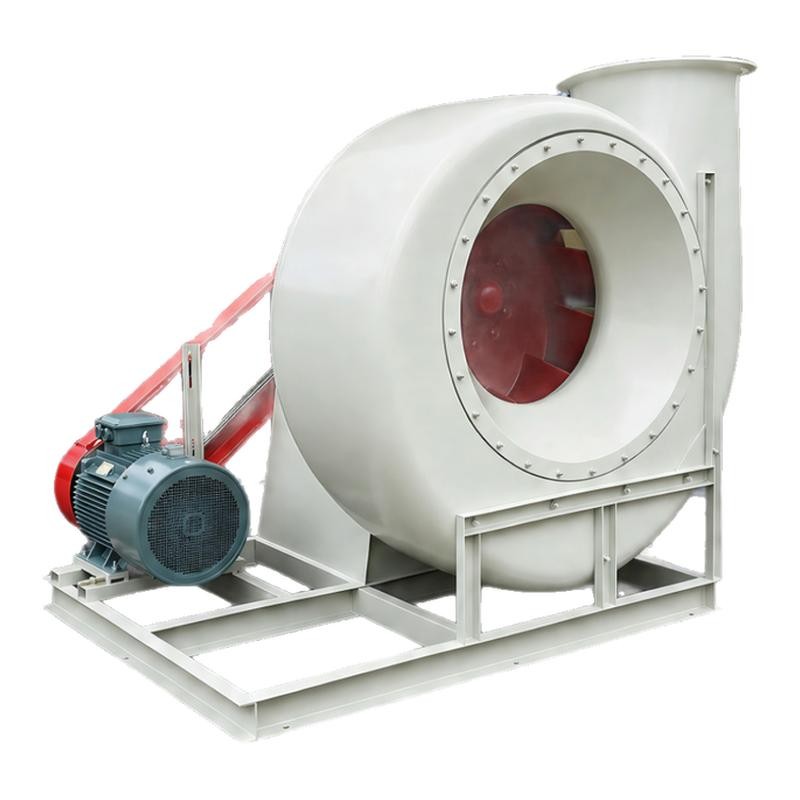
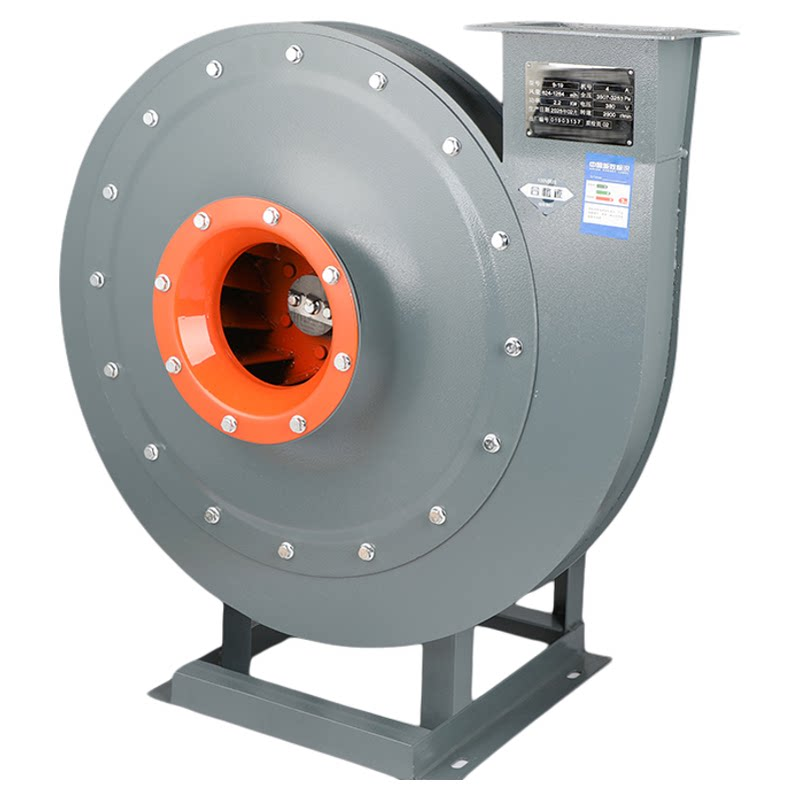
There is no one best countertop exhaust fan type. The right type depends on the air path. An axial fan moves air along its axis. It can fit open or low-resistance tasks. A centrifugal fan builds pressure for ducts, bends, filters, and other loads. This makes it a common countertop exhaust fan category to review for a ducted kitchen route.
The 11-62 and CF-11 are listed centrifugal options for kitchen-related work. Their product records show several power options. Select a countertop exhaust fan model from the calculated demand. Do not simply select the largest option. A planned duty point gives the buyer a more useful way to compare models.
Plan Hood, Duct, and Room Space
Countertop exhaust fan projects often have little spare space. Wall cabinets, low ceilings, staff paths, and service access can all affect the layout. Keep the capture opening close to the source. Avoid sharp, needless duct turns. If a duct turns just above the counter, record that shape before sizing. Several close bends can change the pressure need.
Also plan where replacement air enters the room. A countertop exhaust fan takes air out. The room needs a way to replace it. Without that plan, hood capture can change and drafts can occur. For a sealed room, a shared riser, or a high heat load, ask the responsible ventilation designer to review the system.
Check Conditions and Service Needs
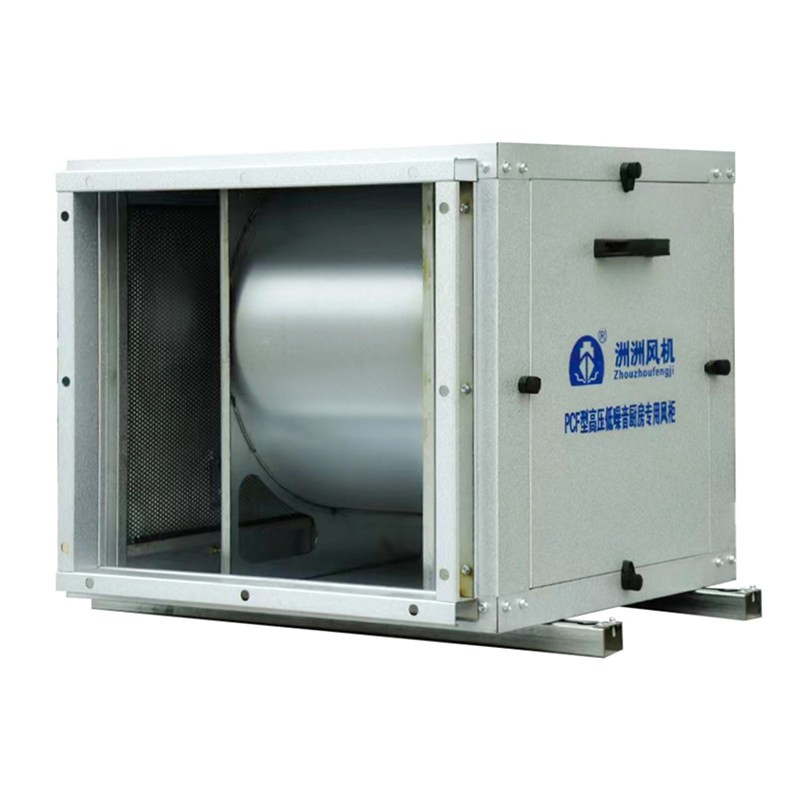
Kitchen air may contain heat, moisture, and oil residue. Match the countertop exhaust fan category to those conditions. The PCF product record lists an IP65 motor, high-temperature coils, and high-temperature bearings. Confirm whether those features and local rules fit the intended duty. A product label is not a replacement for the project specification.
Plan access to the impeller, motor area, duct joints, and filters. Set a cleaning and inspection plan that fits the cooking process and local rules. Review mounting support, electrical isolation, guards, and vibration control with the installer. Good service access helps a countertop exhaust fan remain practical after it is installed.
Review the Countertop Exhaust Fan Brief
Before purchase, review the countertop exhaust fan brief with the installer. Confirm the countertop exhaust fan location, duct route, and service space. This countertop exhaust fan review should also check power and room air replacement. Keep the countertop exhaust fan specification with the project drawings.
Send Clear Project Data
For a countertop exhaust fan discussion, send the equipment type, hood size, duct size and length, number of bends, planned airflow, calculated pressure if known, voltage, and site photos or drawings. Add details on heat, grease, and moisture. These inputs help the supplier discuss available fan categories with less guesswork. Where a project needs a performance or safety standard, use the confirmed standard category and local authority requirements.

 EN