Primum officium definire
A catering extractor fan needs a clear job. Start at the hood. List the cooking line. List the hood size. Note how often the kitchen runs. Then map the duct. Add each straight run. Add each bend. Add each filter and damper. These items affect pressure.
Write down the airflow target. Write down the pressure estimate. Add the site voltage and frequency. Add the free space around the unit. This gives a supplier useful facts. It also makes a catering extractor fan comparison more direct. A catering extractor fan product name alone does not show the right fit.
Read the Duct Route
Air must move through the full route. It does not stop at the fan outlet. A short, straight path has less resistance. A long path has more. Tight bends can add more resistance. Filters and hood parts can add more too. The duty point should reflect the whole system.
Pro ventilatorem extractorem coquinarium ductum, quaere quomodo fluxus aeris et pressio simul operentur. Figura fluxus aeris maxima non idem est quod fluxus aeris in loco. Figura pressionis maxime non idem est quod pressio in loco. Utere datis producti ut initium. Deinde inspice punctum operationis propositum. Hoc gradus adiuvat ut comparare possis unumquemque ventilatorem extractorem coquinarium in eadem basi.
Compara Formatos Ventilatorum
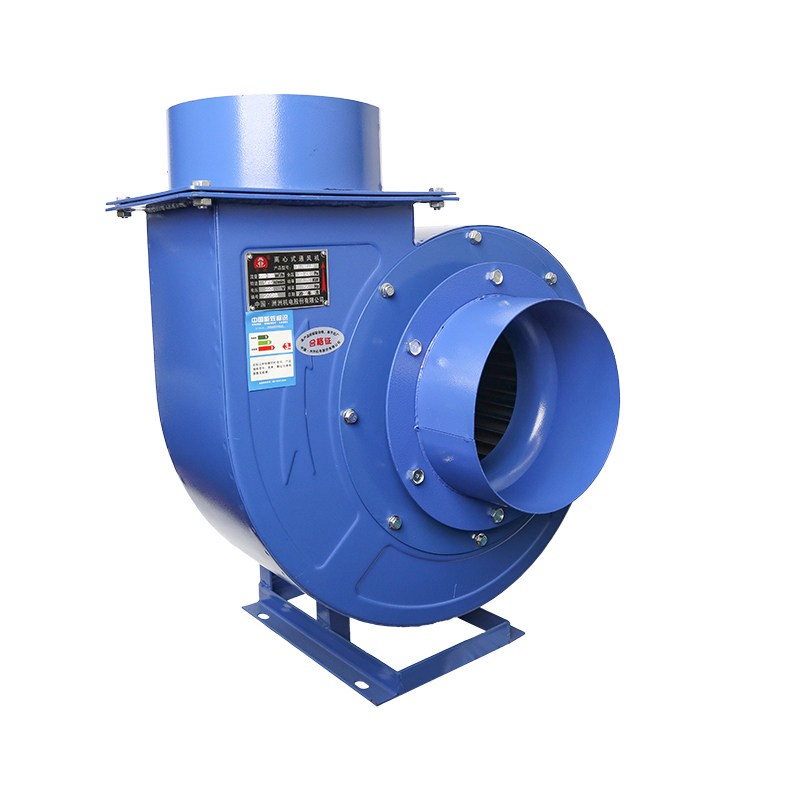
Ventilatores centrifugales saepe examinantur pro exhaustu coquinarum ducto. Producta 11-62 et CF-11 electa sunt pro usu coquinarum et in catalogo recensita. Eorum descriptiones designant formas centrifugales multi-alares. In descriptione CF-11 notatur fluxus aeris maximus 20 000 m³/h et pressio statica maxima 1 000 Pa. Haec numeri debent verificari contra punctum officii proiecti. Ventilator extractor coquinarius centrifugalis est genus producti ad aestimandum, non autem solutio automatica.
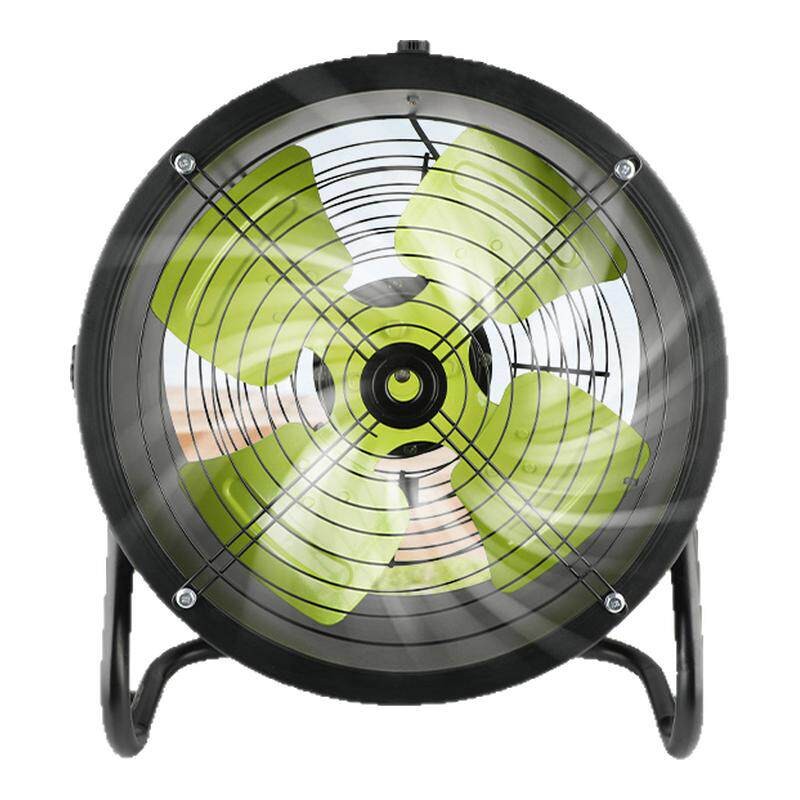
A catering extractor fan can also be an axial unit in the right setting. An axial fan can move large air volume through a short, open path with low resistance. The selected aluminum-blade axial fan is a current catalog product. Its listed main use is tobacco curing. It should only be considered where site conditions match its use and fan type. It is not a default substitute for a ducted catering extractor fan. A catering extractor fan decision needs the duct details first.
Check Space and Access
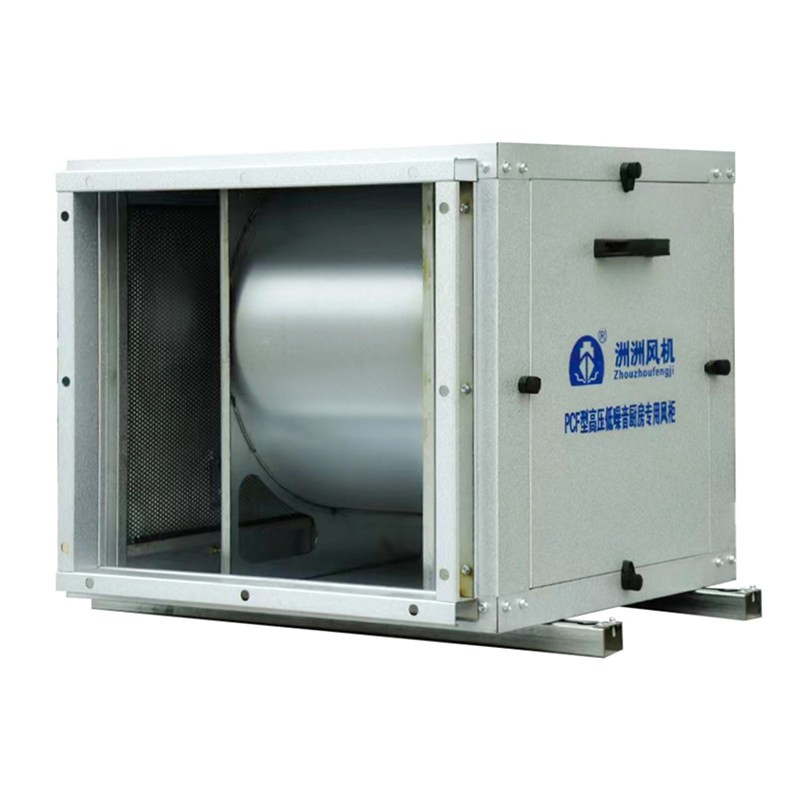
Plan the mounting point early. Ceiling voids can be tight. Plant rooms can be tight too. A cabinet-style unit can be relevant where an enclosed form is useful. The selected cabinet smoke exhaust record lists an IP65 motor. It also lists high-temperature coils and bearings for kitchen-use conditions. The designer should still check the exact role and local rules. A catering extractor fan must fit both the air system and the available service space.
- Leave room for safe isolation and routine checks.
- Lascia accesso per lavori di pulizia e manutenzione dei componenti.
- Controlla i giunti dei condotti, i supporti e il controllo delle vibrazioni.
- Controlla il punto di scarico prima di effettuare l'ordine.
Anche il rumore richiede una valutazione in loco. Considera le aree ristoro. Considera le stanze del personale. Considera le unità adiacenti. Un’etichetta di un ventilatore estrattore per catering non può sostituire la verifica della posizione installata. Il fissaggio, la progettazione del condotto e l’ambiente circostante un ventilatore estrattore per catering possono influenzare il risultato finale.
Chiedi la Valutazione Giusta
Invia un semplice disegno insieme alla richiesta di preventivo. Mostra la cappa. Mostra la sezione del condotto. Mostra le curve. Mostra filtri, serrande e uscita. Indica la portata d’aria desiderata e la stima della pressione. Indica l’alimentazione elettrica richiesta. Indica la posizione prevista di montaggio. Questi dettagli aiutano a strutturare la discussione su un ventilatore estrattore per catering basandola su dati oggettivi. Aiutano inoltre il fornitore a distinguere un layout di ventilatore estrattore per catering da un altro.
For a formal specification, use the standard category that applies to the site. Check the document details on their own. This is useful for performance classes, material needs, and safe operation. Do not treat a general page as final engineering sign-off. A catering extractor fan selection still needs project review.
Plan for Cleaning and Change
Kitchen exhaust systems change with use. Grease can build up. Filters need care. The kitchen may add equipment. The duct route may change. Keep a record of the starting duty point and duct layout. Review them when the system changes. This record supports a later catering extractor fan review.
A catering extractor fan should also be easy to inspect. Plan safe access at the start. Keep the fan, hood, and duct service plan together. This helps the team spot changes that may affect the original selection. Share current site data when asking for a new quote or review. Each catering extractor fan request should include the same core project facts.

 EN